
 By Lauren Holland
Updated November 2026
A 10k to half marathon training plan for beginners needs to do three things well: build your weekly mileage gradually, add long runs at a pace you can hold, and tell you when to rest. The six options below were chosen by comparing their stated structure, plan length, level of detail and the feedback owners commonly report, with a focus on runners who have finished a 10k and are stepping up to 13.1 miles. We did not run these programs ourselves, so treat the comparison as a guide to fit rather than a verdict on results.
Our top picks at a glance
- 1
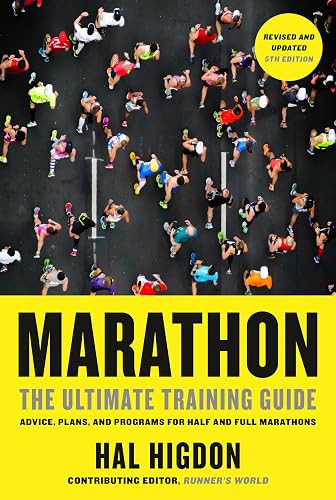 TOP CHOICEBest overallMarathon, Revised and Updated 5th EditionView on Amazon
- 2
 TOP CHOICEBest for a 10-week timelineHalf Marathon Training Planner for BeginnersView on Amazon
- 3
 TOP CHOICEBest for a personalized startYour First Half, Day by DayView on Amazon
- 4
 Best for runners planning a later marathonHalf to Full: Day by DayView on Amazon
- 5
 Best for variety across skill levelsThe Big Running Book of Training PlansView on Amazon
- 6
 Best for a smart-build approachMarathon Training Plans DecodedView on Amazon
Our Top Picks
| Product | Best for | Key feature |
|---|---|---|
| Half Marathon Training Planner for Beginners | Runners who want a 10-week schedule | Day-by-day schedule with injury-prevention tips |
| Marathon, Revised and Updated 5th Edition | Readers who want deep background | Covers half and full marathon plans in one guide |
| Your First Half, Day by Day | Runners who want paces based on a fitness test | 12-week plan with a built-in running log |
| Half to Full: Day by Day | Half marathon finishers eyeing a first marathon | 16–20 week plan with a journal |
| The Big Running Book of Training Plans | Runners who want multiple plan options | Plans for beginner through elite levels |
| Marathon Training Plans Decoded | Runners who want to understand why a plan works | Step-by-step plan building around personal goals |
Half Marathon Training Planner for Beginners
Half Marathon Training Planner for Beginners – 10-week program: Your Ultimate Guide to Running Success and Injury-Free Training Including a Detailed Schedule and Tips for New Runners
Best for: Best for a 10-week timeline
This is a good fit for a runner who has a 10k base and wants a compact, structured schedule without reading a long training book first. It suits people who prefer to follow a calendar and check off sessions.
Key specs
- Program length: 10 weeks
- Format: printed guide with a detailed daily schedule
- Includes tips for new runners and injury-free training
Pros
- Short timeline suits a shorter build-up
- Day-by-day layout is easy to follow
- Injury-prevention advice is included
Cons
- Ten weeks may be tight for some first-time 13.1 milers
- Limited explanation of the reasoning behind each workout
Bottom line: A strong choice if you have a 10-week window and want a clear daily schedule. Consider a longer plan if you are starting from a lower weekly mileage. You may also like 5 Best Printable Half Marathon Training Plan Options for Beginners (2026).
Marathon, Revised and Updated 5th Edition
Marathon, Revised and Updated 5th Edition: The Ultimate Training Guide: Advice, Plans, and Programs for Half and Full Marathons
Best for: Best overall
Aimed at runners who want a full reference rather than a single schedule. It is well suited to someone who wants to understand training principles and may build toward longer races later. For another angle, check out 6 Best Half Marathon Training Program 12 Weeks Beginners (2026): Our Picks.
Key specs
- Revised and updated 5th edition
- Covers advice, plans and programs for half and full marathons
Pros
- Broad coverage of both half and full marathon training
- Explains the reasoning behind training choices
- Useful reference to return to across multiple races
Cons
- Plans require you to choose and adapt one yourself
- Denser reading than a day-by-day planner
Bottom line: Best for readers who want a long-term reference and are happy to adapt plans. Pair it with a simpler schedule if you prefer to follow instructions directly.
Your First Half, Day by Day
Your First Half, Day by Day: The 12-Week Half Marathon Training Plan Built From Your Own Fitness Test — Daily Paces, Coaching, and a Log for Every Run (Running Day by Day)
Best for: Best for a personalized start
Suited to a beginner who wants paces tied to their own fitness rather than a generic schedule. It works for people who like logging each run in the same book they follow.
Key specs
- Program length: 12 weeks
- Built from a fitness test to set daily paces
- Includes a log for every run
Pros
- Paces are based on a fitness test rather than guesses
- Built-in log keeps training in one place
- Twelve weeks gives a comfortable build for most beginners
Cons
- The fitness test needs to be completed before week one
- Less flexibility if your schedule changes often
Bottom line: A good pick for a beginner who values personalized pacing and a running log. Complete the fitness test honestly to get the most from it.
Half to Full: Day by Day
Half to Full: Day by Day: A 16- to 20-Week First Marathon Training Plan and Journal for Half-Marathon Finishers (Running Day by Day)
Best for: Best for runners planning a later marathon
Intended for someone who has already completed a half marathon and wants to step up. It is less suitable as a first plan for a runner still working toward 13.1 miles.
Key specs
- Program length: 16 to 20 weeks
- Designed as a first marathon plan for half marathon finishers
- Includes a training journal
Pros
- Clear progression from a half marathon base
- Journal format supports consistent logging
- Longer timeline allows gradual mileage increases
Cons
- Not intended for runners still preparing for their first half
- Longer commitment than a 12-week plan
Bottom line: Choose this once you have a half marathon finish behind you and want a marathon next. Start with a half marathon plan if you are still at the 10k stage. We also found 6 Best Marine Corp Marathon Training Plans (2026): Our Picks useful on this point.
The Big Running Book of Training Plans
The Big Running Book of Training Plans: Running training plans for every skill level: For beginner runners, experienced runners and ambitious elite athletes
Best for: Best for variety across skill levels
A good reference for runners who want to compare several plans at different levels before choosing one. It suits someone who likes options and expects to move up levels over time. If you want more background, see First Marathon Training Plan Review: 6 Best Picks for Beginners.
Key specs
- Plans for beginner, experienced and elite runners
- Multiple distances covered in one book
Pros
- Several plans to compare in one place
- Useful for progressing from beginner to intermediate
- Good general reference across training goals
Cons
- Breadth can mean less depth on any single half marathon plan
- You need to match the right plan to your level yourself
Bottom line: Useful if you want to see several structures before committing. Beginners should focus on the entry-level plans and avoid the elite schedules.
Marathon Training Plans Decoded
Marathon Training Plans Decoded: A Step-by-Step Guide to Training for Marathon the Smart Way, Building the Right Plan Adapted to Your Goals and … (Highly Effective Marathon Training Plan)
Best for: Best for a smart-build approach
Suited to a runner who wants to understand how a plan is built around personal goals and current fitness. It is a good match for people who like to know the logic behind each week.
Key specs
- Step-by-step guide to building a plan around your goals
- Focuses on training the smart way
Pros
- Explains how to adapt a plan to your own goals
- Helps you understand why each week is structured as it is
- Useful for adjusting training when life gets in the way
Cons
- Requires more effort to turn ideas into a finished schedule
- Less immediately usable for a runner who wants a ready-made calendar
Bottom line: Best for runners who want to learn the principles and build their own plan. Choose a ready-made schedule first if you prefer simplicity.
Buying Guide
Plan length and timeline
Most beginner half marathon plans run between 8 and 12 weeks. Count backward from your race date and make sure the plan you pick starts from a weekly mileage you already run. If you cannot comfortably run 15 to 20 miles a week before starting, a longer timeline gives you more room to build. Check that the plan’s first week matches your current fitness rather than assuming you can jump straight in.
Good picks for this: Half Marathon Training Planner for Beginners, Your First Half, Day by Day
Level of detail in the daily schedule
Some guides give you a calendar with one workout per day. Others explain the purpose of every run. A calendar is faster to follow, while explanations help when you need to adjust for missed sessions or illness. Decide which one you will actually use before you buy. You may also like 6 Best 6 Month Half Marathon Training Plan Beginners (2026): Our Picks.
Good picks for this: Marathon, Revised and Updated 5th Edition, Marathon Training Plans Decoded
Pacing guidance
Beginners often run their long runs too fast. Look for a plan that gives effort-based guidance or paces derived from a fitness test. If a book gives only a fixed pace with no way to adjust it, expect to make your own calls once your fitness changes.
Good picks for this: Your First Half, Day by Day, Half Marathon Training Planner for Beginners
Logging and tracking
A running log helps you spot patterns in fatigue, sleep and mileage. Some guides include a log page for each week. If you already use an app, a book without a log is still fine. Just make sure you record the planned and completed distance for each run so you can review progress.
Good picks for this: Your First Half, Day by Day, Half to Full: Day by Day
Your current level and next goal
Match the plan to where you are now. A plan written for a runner who has already finished a half marathon will be too demanding for someone stepping up from 10k. Equally, a beginner plan may feel too easy if you already run 20 miles a week. Choose the plan that matches your current base and what you want to do next.
Good picks for this: Half to Full: Day by Day, The Big Running Book of Training Plans
Injury prevention and recovery
Building from 10k to 13.1 miles adds real stress to the legs. Look for guidance on rest days, cross-training and how to respond to soreness. Plans that build in recovery weeks or easy days tend to suit first-time half marathon runners better than those that increase mileage every week.
Good picks for this: Half Marathon Training Planner for Beginners, Marathon, Revised and Updated 5th Edition
Format and portability
A printed book stays open on a table and is easy to annotate. A PDF or digital version can be carried on a phone. Consider where you will check the plan most often, whether that is at home, on a treadmill or on the road. If you want more background, see 6 Best Training Plan to Run a Half Marathons for Beginners (2026).
Good picks for this: The Big Running Book of Training Plans, Half Marathon Training Planner for Beginners
FAQ
How many weeks do I need to train from a 10k to a half marathon?
Most beginner plans use 8 to 12 weeks. If you already run three to four days a week and can complete a 10k comfortably, 10 to 12 weeks is a common and reasonable range. Shorter timelines work only if your current base is strong.
How far should my long run be during the build-up?
Long runs in beginner half marathon plans usually peak between 10 and 12 miles, with the final race taking you the rest of the way. Build the long run gradually, adding about a mile every week or two, and include a step-back week every three or four weeks to allow recovery.
Should I run every day?
Most beginner plans use three to four running days a week, with at least one rest day and one or two easy or cross-training days. Running every day raises injury risk for new half marathoners, so build rest into your schedule from the start.
Is a book better than an app for a beginner plan?
Neither is better in every case. A book lets you see the whole plan at once and explains the reasoning. An app can adjust workouts automatically and send reminders. Many runners use a book for structure and an app for tracking.
What if I miss a week of training?
Missing a few days is usually fine. If you miss a full week, repeat the most recent week rather than trying to catch up with extra mileage. Avoid doubling up on long runs to make up for lost time.
When should I see a doctor before starting?
If you have a heart condition, high blood pressure, joint problems, or symptoms such as chest pain or unusual shortness of breath during exercise, consult a doctor or sports medicine professional before starting a new training plan.
Conclusion
For most beginners moving from a 10k to a half marathon, the right plan depends on your timeline, how much detail you want and whether you already log your runs. Marathon, Revised and Updated 5th Edition suits readers who want a long-term reference, while Your First Half, Day by Day fits runners who want paces tied to a fitness test. Half Marathon Training Planner for Beginners is a good match for a tight 10-week window, and Half to Full: Day by Day is the step to take once a half marathon is behind you. Whichever you choose, start conservatively and adjust when your body tells you to.
Sources
- Physical activity guidelines and recommendations for adults (cdc.gov)
- Research on running injuries and training load (nih.gov)
- Position guidance on exercise progression and safety (acsm.org)
Related reading
- Zero to Half Marathon Training Plan: 5 Best Books for Beginners (2026)
- Women's Running Half Marathon Training Plan: A 12-Week Guide for Beginners
- Training for a Half Marathon Plan: A 12-Week Guide for Beginners
- Training for a Half Marathon Guide: A 12-Week Plan for Beginners
About Lauren Holland
Lauren Holland is part of our editorial team and reviews and edits our marathon & half-marathon guides, checking product details against manufacturer specifications and owner feedback.
