 By Ethan Brooks
Updated November 2026
Most energy gels start to be absorbed within minutes, but the carbohydrate actually reaches your bloodstream and starts fueling working muscles over roughly 10 to 20 minutes. Many runners notice a lift in effort and focus around the 15-minute mark. If you are asking how long do energy gels take to work, the practical answer is: plan to take one about 15 to 20 minutes before you need the energy. If you want more background, see How Long Do Energy Gels Take to Kick In? Timing for Runners.
Why the Delay Happens
A gel is mostly simple carbohydrate, usually maltodextrin with some fructose, suspended in a thick, sugary liquid. Once you swallow it, it moves from your stomach into the small intestine, where sugars are absorbed. Gastric emptying is the bottleneck. When you are running hard, blood flow is redirected toward your muscles and skin, and digestion slows. That is why a gel taken at mile 20 may not feel helpful until mile 21 or later.
Shopping for one? See our guide: 6 Best How Oftens to Take Energy Gels When Running (2026): Our Picks.
Carbohydrate absorption is also not instant. Your body needs time to break down the sugars and move them into the blood, then into muscle and liver glycogen stores. The effect you feel is the combined result of blood glucose rising and your muscles beginning to use it.
Factors That Speed Up or Slow Down Absorption
Several variables change the timeline:
- Water intake. A gel with little water can sit heavily. Taking it with 4 to 6 ounces of water usually helps it move through the stomach more easily.
- Effort level. Hard efforts, especially above threshold, slow gastric emptying more than easy running does.
- Gut training. Runners who practice gels on long training runs typically absorb them more smoothly on race day.
- Gel formula. Products with multiple carbohydrate sources (glucose plus fructose) can be absorbed through more than one pathway, which many runners find helpful at higher intake rates.
- Heat and dehydration. Hot conditions shift blood to the skin and reduce gut performance, which can delay the effect.
What to Do About the Delay
The fix is timing, not doubling up. Taking a second gel because the first one “isn’t working yet” is one of the most common causes of stomach distress mid-race. Instead, build a schedule around the lag and test it in training.
- Take your first gel 15 to 20 minutes before the energy dip you expect.
- Drink a few sips of water with each gel, not a large gulp.
- Stick to your planned interval, often every 30 to 45 minutes for long efforts, rather than reacting to how you feel in the moment.
- Rehearse the exact gel brand and timing on at least two or three long runs before race day.
- If a gel consistently upsets your stomach, try a different formula or flavor, and talk to a doctor or sports dietitian if digestive problems persist.
What We’d Use
For runners who want a gel that pairs well with water and has a smooth texture, a classic option is the SiS Beta Fuel Gel. View on Amazon
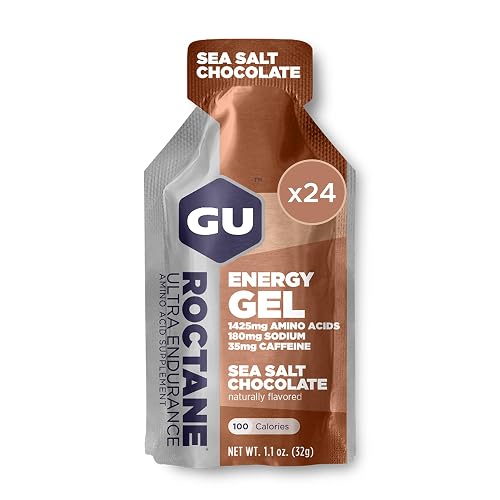
If you prefer a budget-friendly option that is easy to find in multipacks, GU Energy Gel is widely used in races and training. View on Amazon
For more on building your fueling plan, see When to Take Energy Gels: A Marathoner's Timing Guide and How Quickly Do Energy Gels Work? Timing for Race Day. If you are planning around flights, Energy Gels on Plane: How to Fuel Your Long Run Before and During Air Travel covers a few extra considerations.
FAQ
How long does it take energy gels to work during a run?
Most runners feel the effect within 10 to 20 minutes. Taking the gel slightly ahead of when you expect to fade gives it time to absorb.
Can I take a second gel if the first one hasn’t kicked in?
It is better not to. Doubling up can cause nausea and cramping. Wait for your planned interval and keep to your schedule.
Should I take a gel with water?
Yes, in most cases. A few sips of water help the gel move through your stomach. Consult a doctor or sports dietitian if you have a digestive condition that affects how you fuel.
Related reading
Ready to choose one?
About Ethan Brooks
Ethan Brooks is part of our editorial team and reviews and edits our marathon & half-marathon guides, checking product details against manufacturer specifications and owner feedback.