Quick answer
Effective hydration during long runs balances drinking to thirst with a basic plan. Key steps include understanding your sweat rate, replacing electrolytes lost in sweat, and knowing the serious risks of drinking too much water.
Getting your hydration right is one of the most important, and sometimes tricky, parts of long-distance running. Proper hydration during long runs supports everything from muscle function and temperature regulation to your mental focus and overall performance. In this guide, we’ll walk through the current science and practical strategies to help you develop a personalized approach, covering everything from sweat rate to sodium and how to carry your fluids.
Drink-to-Thirst vs. Planned Drinking
For years, runners were advised to follow a strict schedule, drinking a set amount at regular intervals. More recent guidance, including from the American College of Sports Medicine, has shifted toward a more intuitive model: drinking according to the sensation of thirst. This “drink-to-thirst” approach is based on the understanding that your body is remarkably good at signaling its needs in real-time.
However, for many runners on very long efforts—especially in races where aid stations are spaced apart—relying solely on thirst might mean falling behind. A practical middle ground is to have a flexible plan. You might plan to take a few sips at every aid station or every 15-20 minutes, but adjust the volume based on how thirsty you feel, the weather, and your effort level. The goal is to avoid both significant dehydration and the dangerous condition of overhydration, known as hyponatremia.
How to Test Your Sweat Rate
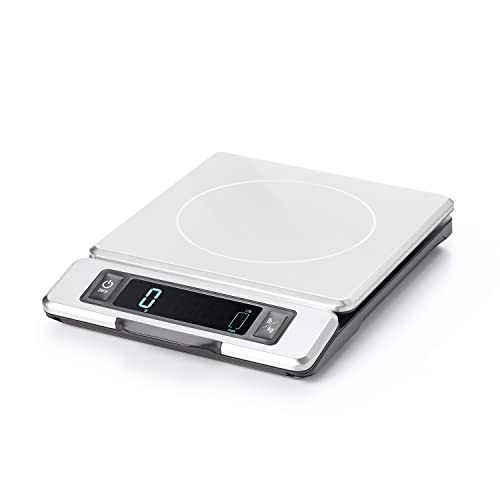
Knowing your sweat rate is the best way to personalize your hydration strategy. It tells you roughly how much fluid you lose per hour, which helps you estimate how much you might need to replace. Here’s a simple method to get a ballpark figure:
- Weigh yourself nude right before a run.
- Go for a steady, one-hour run, simulating your typical long-run conditions (pace, clothing). Do not drink anything during the run.
- After the run, towel off any excess sweat and weigh yourself nude again.
The weight you lost is almost entirely water weight. One pound lost equals approximately 16 ounces of fluid. So, if you lost 1.5 pounds during the hour, your sweat rate is about 24 ounces per hour. Remember, this is a guide, not a prescription. You don’t need to replace 100% of this loss during the run; drinking 50-70% of this amount is often a good target to prevent stomach sloshing while staying well-hydrated. Your sweat rate will be higher on hot, humid days and lower in cool, dry conditions.
Electrolytes and Sodium for Runners
Hydration isn’t just about water. When you sweat, you lose electrolytes—primarily sodium, but also potassium, magnesium, and calcium. Sodium is crucial for maintaining fluid balance, nerve function, and preventing muscle cramps. For runs lasting longer than 60-90 minutes, or in very hot conditions, replacing electrolytes becomes essential.
You can get electrolytes from sports drinks, electrolyte tablets or powders added to your water, or certain foods. The need varies greatly from person to person; some runners are “salty sweaters” and may see salt crystals on their skin or clothing. If you frequently experience muscle cramps or feel unusually fatigued late in long runs, an electrolyte deficit could be a factor. For a deep dive into this topic, see our article on running nutrition.
Safety
Drinking excessive amounts of plain water without replacing electrolytes, especially during very long efforts, can dilute the sodium in your blood to dangerously low levels. This condition, called hyponatremia, is a medical emergency. Symptoms include nausea, headache, confusion, swelling in the hands and feet, and in severe cases, seizures or coma. If you suspect hyponatremia, seek medical attention immediately.
Understanding Hyponatremia: The Risk of Overdrinking
Hyponatremia, while less common than dehydration, is a serious risk for endurance athletes. It occurs when sodium concentration in the blood becomes too low, often because an athlete drinks too much fluid (water or sports drink) over a prolonged period, overwhelming the kidneys’ ability to excrete it.
The key prevention strategy is to avoid the “more is better” mindset with fluids. Do not force yourself to drink beyond thirst, and do not drink large volumes in a short time “just in case.” Using an electrolyte supplement on very long runs can help maintain sodium balance. Runners who are out for many hours (e.g., slower marathoners, ultrarunners) and those in cooler weather where thirst may be less pronounced need to be particularly mindful.
Practical Ways to Carry Fluids on a Run
Having a convenient way to drink is half the battle. Here are the most common options:
| Option | Best For | Considerations |
|---|---|---|
| Handheld Bottle | Runners who want simple, immediate access and don’t mind carrying weight in one hand. | Easy to sip from frequently. Can come with a pocket for keys or gels. |
| Hydration Belt or Waistpack | Those who want hands-free carrying with multiple small bottles or a single larger flask. | Can bounce if not fitted properly. Allows weight to be distributed around the waist. |
| Hydration Vest or Pack | Long runs, trail running, or hot conditions where you need to carry more fluid and possibly other gear. | Most capacity and stability. Can include a bladder with a drinking hose. |
| Planning Routes with Water Fountains | Urban runners who want to run free of carried weight. | Requires knowing your route well. Availability can be unreliable. |
Whichever you choose, practice with it on training runs. Get used to drinking from it while moving, and make sure it doesn’t chafe. Combining your hydration strategy with a solid race nutrition plan that includes carbohydrates is key for sustained energy.
What to look for
- Listen to Thirst: Use it as your primary guide, supplementing with a loose schedule on very long runs.
- Know Your Sweat: Do a simple sweat rate test to understand your personal fluid losses.
- Replace Electrolytes: For runs over 60-90 minutes, incorporate sodium and other electrolytes.
- Avoid Overdrinking: Sip consistently, don’t guzzle, to reduce the risk of hyponatremia.
- Practice Your Gear: Train with your chosen hydration system and fuel to ensure it works for you.
Frequently Asked Questions
How much water should I drink on a long run?
There’s no single answer, as it depends on your sweat rate, the weather, and your pace. A good starting point is to aim for 4-6 ounces every 15-20 minutes, but let your thirst guide you. Using your sweat rate calculation (e.g., if you lose 24 oz per hour, aim to drink 12-18 oz per hour) provides a more personalized target. The key is consistent, moderate sipping rather than large, infrequent gulps.
Do I need electrolytes on every run?
Not necessarily. For runs shorter than 60 minutes, water is usually sufficient. For runs longer than 60-90 minutes, or in high heat where sweat loss is significant, adding electrolytes becomes important. They help maintain fluid balance and stave off fatigue and cramping. You can learn more in our running nutrition basics guide.
What are the signs I’m not drinking enough?
Early signs of dehydration include a sudden increase in perceived effort, a rise in heart rate, headache, dizziness, and dark yellow urine after your run. Your mouth may feel dry, and you’ll feel thirsty. Catching dehydration early is important; if you feel these signs, slow down and take in fluids gradually.
Can I drink too much water?
Yes. Drinking excessive amounts of water, especially without electrolytes, can lead to hyponatremia, a dangerous condition. This is why drinking to thirst and avoiding forced, high-volume consumption is the recommended approach. Your body is good at telling you what it needs.
Should I use sports drinks or water?
For long runs, a sports drink can serve a dual purpose: providing fluids and carbohydrates for energy, as well as electrolytes. For runs under an hour, water is typically fine. For longer efforts, many runners alternate between water and sports drink, or use an electrolyte mix in their water alongside separate carbohydrate sources like energy gels. Experiment in training to see what works best for your stomach and energy levels.
References
- American College of Sports Medicine: Exercise and Fluid Replacement Position Stand, Nutrition and Athletic Performance Position Stand. https://acsm.org/
- Manufacturer manuals and specification sheets for hydration products.
- Peer-reviewed research on hydration and endurance performance accessed via PubMed.