
 By Lauren Holland
Updated November 2026
Looking for a half marathon training program 12 weeks beginner runners can follow without getting overwhelmed? The right resource gives you a clear weekly schedule, sensible mileage build-ups, rest days, and guidance on pacing and recovery. The picks below were chosen by reviewing product listings, publisher reputation, and patterns in owner feedback. Each one focuses on a 12-week or near-12-week timeline, and each is aimed at people starting from little or no running background.
Our top picks at a glance
- 1
 TOP CHOICEBest overallBeginner's Half-Marathon TrainerView on Amazon
- 2
 TOP CHOICEBest for a quick-start planHalf Marathon Training Planner for BeginnersView on Amazon
- 3
 TOP CHOICEBest for a wall-chart reference12 Week Half Marathon Training Chart for Beginner RunnersView on Amazon
- 4
 Best for logging your runsHalf Marathon Training Journal for BeginnersView on Amazon
- 5
 Best for a full-marathon crossoverCouch to 26.2: The Beginner's Marathon Training PlanView on Amazon
- 6
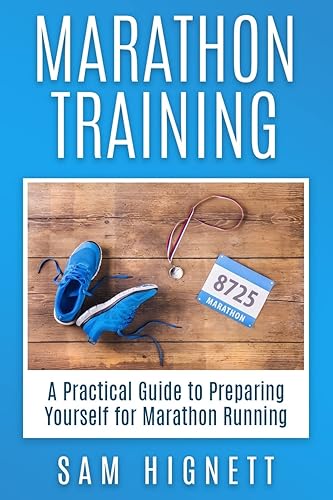 Best for general marathon backgroundMarathon Training: A Practical GuideView on Amazon
Our Top Picks
| Product | Best for | Key feature |
|---|---|---|
| Beginner’s Half-Marathon Trainer | Overall beginner plan | 14-week structured program |
| Half Marathon Training Planner for Beginners | Quick-start schedule | Detailed weekly schedule |
| 12 Week Half Marathon Training Chart | Wall-chart reference | Run-walk program layout |
| Half Marathon Training Journal for Beginners | Logging progress | Built-in 14-week plan |
| Couch to 26.2 Beginner’s Marathon Plan | Crossover to marathon | 18-week injury-aware guide |
| Marathon Training: A Practical Guide | Background reading | Preparation tips and advice |
Beginner’s Half-Marathon Trainer
Beginner's Half-Marathon Trainer: The 14-Week Program to Completing a Half-Marathon in Your Best Time
Best for: Overall beginner plan
This book suits runners who want a structured, step-by-step program and are willing to stretch the schedule slightly beyond 12 weeks. Its title points to a 14-week timeline, so plan for an extra two weeks if you need them.
- Pros: Clear week-by-week structure
- Pros: Focus on finishing within a realistic time
- Cons: Runs longer than a strict 12-week schedule
Half Marathon Training Planner for Beginners
Half Marathon Training Planner for Beginners – 10-week program: Your Ultimate Guide to Running Success and Injury-Free Training Including a Detailed Schedule and Tips for New Runners
Best for: Quick-start schedule
This planner fits runners who want a ready-made schedule with injury-prevention tips. Its listing describes a 10-week program, so it works well as a compact plan for those already running a few days a week.
- Pros: Detailed day-by-day schedule
- Pros: Includes injury-avoidance guidance
- Cons: Shorter timeline than a full 12 weeks
12 Week Half Marathon Training Chart for Beginner Runners
12 Week Half Marathon Training Chart for Beginner Runners, Run Walk Program(Unframed,8x12inch(20x30cm)) CHYIFSHIY Couch to Half Marathon Training Plan Poster for Running Schedule
Best for: Wall-chart reference
This poster suits runners who prefer a visual overview they can hang in a training space. It uses a run-walk structure, which many new runners find useful for building endurance without excessive strain. 3 Best Half Marathon Training Program Options for Beginners (2026) goes further into this.
- Pros: Matches the 12-week timeline directly
- Pros: Easy to see the whole plan at once
- Cons: Limited space for notes or details
Half Marathon Training Journal for Beginners
Half Marathon Training Journal for Beginners: Includes tips and a detailed 14-week running plan
Best for: Logging progress
This journal works for runners who want to record workouts alongside a training plan. Owners often mention that writing down how each run felt helps them spot fatigue early. We also found Couch to Half Marathon Training Program: A 12-Week Guide for Beginners useful on this point.
- Pros: Includes tips and a 14-week plan
- Pros: Space for tracking each session
- Cons: Plan runs longer than 12 weeks
Couch to 26.2: The Beginner’s Marathon Training Plan
Couch to 26.2: The Beginner's Marathon Training Plan: Your 18-Week Guide to Building Endurance, Avoiding Injuries, and Finishing Strong – No Running Experience Required
Best for: Crossover to marathon
This guide is aimed at people who may want to move from a half marathon to a full marathon later. It emphasizes building endurance gradually and avoiding injury, and it does not require prior running experience.
- Pros: Gradual build for absolute beginners
- Pros: Focus on injury avoidance
- Cons: 18-week timeline is longer than 12 weeks
Marathon Training: A Practical Guide
Marathon Training: A Practical Guide to Preparing Yourself for Marathon Running (Marathon Training, Tips and Advice, Running for Beginners)
Best for: Background reading
This book suits runners who want general preparation advice alongside their training. It is less a fixed schedule and more a reference for pacing, recovery, and running fundamentals.
- Pros: Covers preparation and fundamentals
- Pros: Useful beyond a single race
- Cons: Not a day-by-day schedule
Buying Guide
Timeline length
Check whether the plan actually fits 12 weeks. Some titles describe 10, 14, or 18-week programs, which can still work if you adjust your start date.
Run-walk versus continuous running
Decide whether you want a plan that includes walk intervals. Many beginners find run-walk schedules easier on the legs during the first few weeks.
Format and how you will use it
A printed chart works well for quick glances, while a journal suits anyone who wants to record each session and notice patterns in their energy and recovery.
FAQ
Is a 12-week plan realistic if I have never run before?
Yes, many beginners complete a half marathon on a 12-week timeline, but it works best if you already walk regularly and can run for a few minutes at a time. Plans that mix run intervals with walk breaks make the build-up far more manageable. If you are starting from zero, consider choosing a plan with a longer runway.
How many days per week should I train?
Most beginner half marathon programs use three to four running days per week, plus one or two cross-training or rest days. Consistency matters more than volume, so a schedule you can actually stick to is the better choice. Look for a plan that includes at least one full rest day to help you recover.
Should I walk during my training runs?
Walk breaks are a smart option for many new runners because they reduce fatigue and lower the risk of overuse injuries. Run-walk programs often help beginners finish strong on race day. As your fitness improves, you can gradually shorten or remove the walk intervals.
What if I miss a week of training?
Missing a single workout is usually not a problem, so do not try to make up the lost miles all at once. Simply resume the plan where you left off, or repeat the most recent week if you missed several days. Listen to your body and avoid stacking hard runs to catch up.
Do I need special gear to follow these programs?
You do not need expensive equipment to start, but a pair of running shoes that fit well is important for comfort and injury prevention. Many beginners also find a simple watch or training log helpful for tracking progress. Choose gear that suits your budget and your running routine.
Are these guides useful after the race?
Many of these resources include tips on recovery, injury prevention, and building endurance that apply well beyond race day. They can also serve as a foundation if you decide to train for a longer distance later. Keep them as a reference for your next running goal.
Conclusion
If you want a structured, week-by-week schedule with a clear race-day target, the planner and trainer-style guides are a good fit. If you prefer a visual reference you can post on the wall, the chart-style option works well, and if you like to log your progress, the training journal is the better choice.
Runners who are new to the sport and want a broader foundation, including guidance on endurance and avoiding injury, should consider the longer beginner plans, while those who are simply curious about the basics may start with the general marathon-preparation guide.
Related reading
- Training Program to Run a Half Marathon: A 12-Week Beginner Guide
- Training Program for Half Marathon: A 12-Week Guide for Beginners
- Training Program for Half Marathon for Beginners: A 12-Week Guide
About Lauren Holland
Lauren Holland is part of our editorial team and reviews and edits our marathon & half-marathon guides, checking product details against manufacturer specifications and owner feedback.