
 By Ethan Brooks
Updated November 2026
Choosing a custom marathon training plan starts with knowing what kind of help you need. Some runners want a book that teaches them how to build a schedule from scratch, while others want a ready-made log to track workouts week by week. The picks below were selected by reviewing product listings, publisher descriptions, and common owner feedback patterns, with attention to clarity of guidance, flexibility for different goals, and how well each resource supports self-directed planning. We did not test these products ourselves.
Our top picks at a glance
- 1
 TOP CHOICEBest overallMarathon, Revised and Updated 5th Edition: The Ultimate Training GuideView on Amazon
- 2
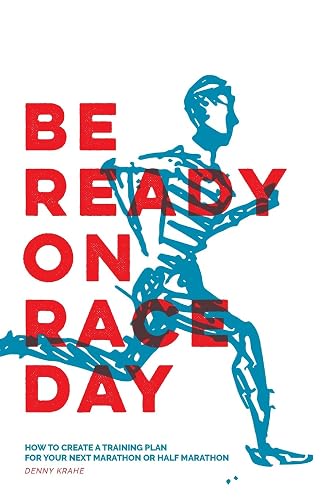 TOP CHOICEBest for learning to build your own planBe Ready on Race Day: How to Create a Custom Training Plan for Your NeView on Amazon
- 3
 TOP CHOICEBest for decoding plan structureMarathon Training Plans Decoded: A Step-by-Step Guide to Training forView on Amazon
- 4
 Best for first-time marathonersRunning Your First Marathon: The Complete 20-Week Marathon Training PlanView on Amazon
- 5
 Best for tracking your progress16-Week Marathon Training Plan & Log Book: A Simple, Effective MarathoView on Amazon
Our Top Picks
Quick Comparison
| Product | Best for | Key feature |
|---|---|---|
| Marathon, Revised and Updated 5th Edition | Overall guidance | Plans for half and full |
| Be Ready on Race Day | Building your own plan | Step-by-step plan creation |
| Marathon Training Plans Decoded | Understanding plan logic | Goal-based plan adaptation |
| Running Your First Marathon | First-time marathoners | 20-week structured plan |
| 16-Week Marathon Training Plan & Log Book | Tracking workouts | Built-in training log |
Marathon, Revised and Updated 5th Edition: The Ultimate Training Guide
Marathon, Revised and Updated 5th Edition: The Ultimate Training Guide: Advice, Plans, and Programs for Half and Full Marathons
Best for: Overall guidance
This is a broad reference for runners who want background on training principles alongside sample programs. It suits those who prefer reading the reasoning behind each phase before adapting a plan to their own schedule.
Pros
- Covers both half and full marathon distances
- Explains the purpose of each training phase
Cons
- Requires effort to tailor the sample plans to your own schedule
Be Ready on Race Day: How to Create a Custom Training Plan for Your Next Marathon or Half Marathon
Be Ready on Race Day: How to Create a Custom Training Plan for Your Next Marathon or Half Marathon
Best for: Building your own plan
This suits runners who want to write a plan that fits their own fitness level, weekly mileage, and race date. The focus on plan construction makes it a strong fit for self-coached athletes.
Pros
- Walks through plan creation from the ground up
- Addresses both marathon and half marathon distances
Cons
- Less ready-made schedule content for runners who want to follow a plan without modifying it
Marathon Training Plans Decoded: A Step-by-Step Guide to Training for Marathon the Smart Way
Marathon Training Plans Decoded: A Step-by-Step Guide to Training for Marathon the Smart Way, Building the Right Plan Adapted to Your Goals and … (Highly Effective Marathon Training Plan)
Best for: Understanding plan logic
This guide is aimed at runners who want to see how weekly workouts, long runs, and recovery days connect. It helps readers adjust a plan when their goals or availability change. We also found Run/Walk Marathon Training Plan: 6 Best Picks for Every Runner (2026) useful on this point.
Pros
- Breaks down why each workout appears in the plan
- Useful for adapting plans to specific goals
Cons
- Listing descriptions suggest a more analytical approach that may feel dense to casual readers
Running Your First Marathon: The Complete 20-Week Marathon Training Plan
Running Your First Marathon: The Complete 20-Week Marathon Training Plan
Best for: First-time marathoners
This works well for runners moving up from shorter races who want a clear, sequenced schedule. The 20-week length gives more time to build base mileage than a compressed program.
Pros
- Longer timeline suits runners with a moderate starting base
- Straightforward structure for first-time marathoners
Cons
- A 20-week schedule may not fit runners with a shorter window to race day
16-Week Marathon Training Plan & Log Book: A Simple, Effective Marathon Training System
16-Week Marathon Training Plan & Log Book: A Simple, Effective Marathon Training System
Best for: Tracking your progress
This suits runners who want a schedule and a place to record mileage, pace, and how each session felt. Writing down workouts makes it easier to spot patterns over a 16-week build.
Pros
- Combines a 16-week plan with a dedicated log
- Simple layout for daily entries
Cons
- Offers less background explanation than a full training guide
Buying Guide
Your Current Experience Level
New marathoners usually benefit from longer timelines and plans that explain each phase. Experienced runners often prefer shorter, more specific programs they can adjust on their own.
Available Weekly Training Time
Check how many days and hours you can realistically train each week before choosing a plan. A schedule that asks for more time than you have tends to get abandoned by midseason.
Distance and Race Goal
Half marathon and full marathon plans differ in long-run length and peak mileage. Make sure the resource covers the distance you are training for.
Tracking and Feedback Style
Some runners want to log every workout and review trends, while others prefer to keep it simple. Decide whether a built-in log will help you or feel like extra work.
Good picks for this: Be Ready on Race Day, 16-Week Marathon Training Plan & Log Book
FAQ
How long should a custom marathon training plan be?
Most first-time marathoners use a plan of 16 to 20 weeks. Experienced runners may use shorter builds if they already maintain a solid weekly mileage base.
Related reading
- Women's Running Half Marathon Training Plan: A 12-Week Guide for Beginners
- Twelve Week Half Marathon Training Plan: A Step-by-Step Guide
- Training for a Half Marathon Plan: A 12-Week Guide for Beginners
- Training for a Half Marathon Guide: A 12-Week Plan for Beginners
About Ethan Brooks
Ethan Brooks is part of our editorial team and reviews and edits our marathon & half-marathon guides, checking product details against manufacturer specifications and owner feedback.
