
 By Lauren Holland
Updated November 2026
Running a half marathon with little training is a goal many people set after a busy season, a late sign-up, or a race they agreed to on a whim. The real need is a plan that respects a short timeline, protects your legs from overuse, and still gets you across the finish line without walking the whole way. This list focuses on published training guides and books that offer run-walk structures, conservative mileage, and clear pacing advice. Each pick was assessed on the basis of its published plan length, how much weekly mileage it assumes, whether it builds in walk breaks, the clarity of its race-day guidance, and the consistency of owner feedback about whether the plans were realistic for beginners.
Our top picks at a glance
- 1
 TOP CHOICEBest overallHal Higdon's Half Marathon TrainingView on Amazon
- 2
 TOP CHOICEBest for walk-run beginnersGalloway's Half Marathon Training: Use the Run Walk Run MethodView on Amazon
- 3
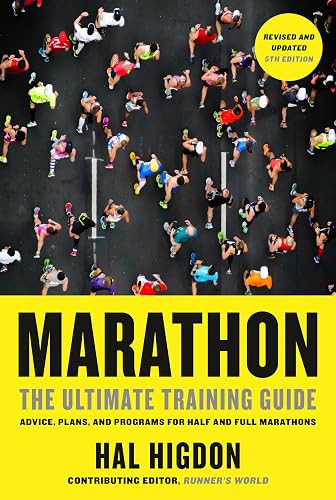 TOP CHOICEBest for a complete training referenceMarathon, Revised and Updated 5th Edition: The Ultimate Training GuideView on Amazon
- 4
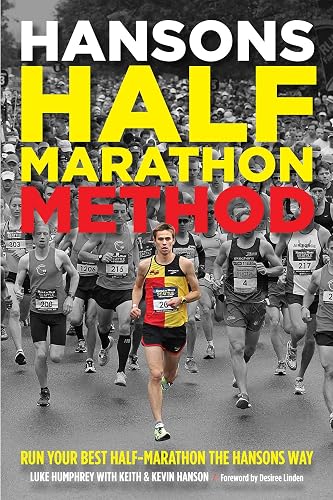 Best for structured speed workHansons Half-Marathon Method: Run Your Best Half-Marathon the Hansons WayView on Amazon
- 5
 Best for logging workoutsHalf Marathon Training Journal for BeginnersView on Amazon
- 6
 Best for race-day motivation1 Running Half Marathon Race Training Pullover HoodieView on Amazon
- 7
 Best budget pick for a first long run planRunning Your First Marathon: The Complete 20-Week Marathon Training PlanView on Amazon
Our Top Picks
Quick Comparison
| Product | Best for | Key feature |
|---|---|---|
| Hal Higdon’s Half Marathon Training | Runners who want a simple, time-tested schedule | Progressive plans with clear weekly structure |
| Marathon, Revised and Updated 5th Edition | Readers who want deep background on training | Comprehensive guide covering half and full distances |
| Galloway’s Half Marathon Training | Beginners who need walk breaks | Run-walk-run method built into the plan |
| Hansons Half-Marathon Method | Runners with a few months and a higher weekly volume | Cumulative fatigue approach with frequent moderate runs |
| Half Marathon Training Journal for Beginners | Runners who want a plan and a place to track it | Detailed 14-week running plan with a logging format |
| 13.1 Running Half Marathon Race Training Pullover Hoodie | Runners who want a visible training mindset | Race-themed apparel for cold-weather training |
| Running Your First Marathon | Runners who want a foundation for longer distances later | 20-week plan with progressive long runs |
Hal Higdon’s Half Marathon Training
Hal Higdon's Half Marathon Training
Best for: Runners who want a straightforward, progressive schedule.
This book suits people who have a base of running and want a clear weekly template. Higdon’s plans are widely known for building distance gradually, which makes them a reasonable starting point for a compressed timeline if you can already run a few miles without stopping. For a deeper look, Running 5K Training Plan for Beginners: 8-Week Step-by-Step Guide covers this in detail.
Key specs
- Format: paperback training guide
- Covers half marathon training plans at several levels
- Written by a long-established running author
Pros
- Clear weekly structure that is easy to follow
- Plans step up mileage in a measured way
- Well-known among runners, so advice is easy to cross-check
Cons
- Assumes some existing aerobic fitness
- Limited guidance for runners who need walk breaks from day one
Bottom line: A strong default choice if you can already run three to four miles and want a predictable plan.
Marathon, Revised and Updated 5th Edition: The Ultimate Training Guide
Marathon, Revised and Updated 5th Edition: The Ultimate Training Guide: Advice, Plans, and Programs for Half and Full Marathons
Best for: Readers who want a full reference on training theory alongside plans.
Owners often describe this as the book to keep on the shelf after race day. It is broader than a single half marathon plan, which makes it useful if you want to understand why workouts are structured the way they are.
Key specs
- Format: revised edition training guide
- Covers both half and full marathon plans
- Includes advice on pacing, recovery, and injury prevention
Pros
- Explains the reasoning behind training choices
- Useful reference well beyond one race
- Covers pacing and recovery in depth
Cons
- Dense for runners who only want a schedule
- Plans are not tailored to a very short timeline
Bottom line: Best for readers who value understanding over a quick template.
Galloway’s Half Marathon Training: Use the Run Walk Run Method
Galloway's Half Marathon Training: Use the Run Walk Run Method to Finish Every Race Strong
Best for: Beginners who need walk breaks to finish comfortably.
The run-walk-run method is one of the most practical tools for someone with little preparation. Built-in walk intervals reduce the load on your legs and make a short training window far more manageable.
Key specs
- Format: training guide focused on run-walk intervals
- Structured around a set walk-break ratio
- Designed for finishing rather than racing fast
Pros
- Run-walk intervals lower injury risk during a short build
- Realistic about finish-time goals
- Easy to adapt to race-day walk breaks
Cons
- Not aimed at runners chasing a personal best
- Some readers want more detail on race-day nutrition
Bottom line: The most suitable pick if you expect to walk parts of the race and want to finish feeling good.
Hansons Half-Marathon Method: Run Your Best Half-Marathon the Hansons Way
Hansons Half-Marathon Method: Run Your Best Half-Marathon the Hansons Way
Best for: Runners with a few months and capacity for frequent moderate running.
The Hansons approach relies on cumulative fatigue and regular moderate-effort runs rather than a few very long sessions. That makes it a demanding choice for a compressed timeline, so it fits best if you are already running consistently.
Key specs
- Format: half marathon method book
- Built around multiple weekly runs at varied intensities
- Emphasizes race-specific workouts
Pros
- Clear logic for building endurance and speed together
- Useful for runners aiming for a faster finish
- Structured weekly workouts
Cons
- Higher weekly volume than most beginners can handle quickly
- Not designed for walk-run use
Bottom line: A good fit for experienced runners who need a structured plan on a short timeline, though less suited to true beginners.
Half Marathon Training Journal for Beginners
Half Marathon Training Journal for Beginners: Includes tips and a detailed 14-week running plan
Best for: Runners who want a plan and a place to log every workout.
A journal format helps you see whether you are sticking to a schedule and whether you are ramping up too quickly. It is especially useful when your training window is short and you need to watch recovery closely.
Key specs
- Format: training journal with plan pages
- Includes a detailed 14-week running plan
- Space for logging runs, notes, and tips
Pros
- Combines a plan with tracking space
- Helpful for spotting overtraining early
- Beginner-oriented tips throughout
Cons
- The 14-week plan is longer than a very short build
- Less depth than a full training guide
Bottom line: A practical choice for beginners who like to write things down and want a simple structure.
13.1 Running Half Marathon Race Training Pullover Hoodie
13.1 Running Half Marathon Race Training 1/2 Marathon Runner Pullover Hoodie
Best for: Runners who want race-themed apparel to stay motivated during cold-weather training.
This is apparel rather than a training guide, so it does not replace a plan. It is best viewed as a motivational addition for runners who train outdoors in cooler months and want something to wear on the road or at the start line.
Key specs
- Type: pullover hoodie
- Half marathon race-themed design
- Suited to cool-weather wear
Pros
- Useful for warming up before runs
- Gives a visible sense of goal and progress
- Easy to layer over running gear
Cons
- Not a training resource on its own
- Fit and fabric depend on personal preference
Bottom line: A motivational extra for runners who already have a plan and want a reminder of their goal.
Running Your First Marathon: The Complete 20-Week Marathon Training Plan
Running Your First Marathon: The Complete 20-Week Marathon Training Plan
Best for: Runners who want a foundation that also prepares them for longer distances later.
This book is aimed at the marathon, but its progressive long-run structure can be adapted to a half marathon timeline. It is a reasonable choice if you think a half marathon may be the first step toward a full marathon.
Key specs
- Format: marathon training plan book
- 20-week progressive plan
- Covers long-run progression and recovery
Pros
- Strong long-run progression principles
- Useful base for future distance goals
- Clear weekly guidance
Cons
- The 20-week timeline is longer than a short half marathon build
- Needs adapting for a half marathon date
Bottom line: Worth considering if your goal is a longer race later, but you will need to shorten the plan for a half marathon.
Buying Guide
Plan Length and Weekly Mileage
When you have little time, the plan’s starting mileage matters more than its finishing mileage. Look for guides that begin at a level you can already handle and increase by no more than about 10 percent per week. Runners with limited preparation should avoid plans that assume a long run of ten or more miles in the first few weeks.
Good picks for this: Galloway’s Half Marathon Training, Hal Higdon’s Half Marathon Training
Walk-Run Options
A walk-run structure is one of the most effective ways to complete a half marathon on a compressed schedule. Check whether the plan includes intervals (for example, one minute of running and one minute of walking) and whether it explains how to adjust the ratio on race day.
Good picks for this: Galloway’s Half Marathon Training, Running Your First Marathon
Depth of Guidance
Some books give you a schedule and little else, while others explain pacing, nutrition, and recovery. If you are new to training, a book with clear explanations will help you make better decisions when a workout feels too hard.
Good picks for this: Marathon, Revised and Updated 5th Edition, Hansons Half-Marathon Method
Intensity and Workout Structure
Check how many days per week the plan expects you to run and how hard those runs should feel. Plans with frequent moderate runs can build fitness quickly but require good recovery habits. If you have a limited base, prefer plans with easy days and a clear rest structure.
Good picks for this: Hansons Half-Marathon Method, Half Marathon Training Journal for Beginners
Tracking and Accountability
A written log helps you notice fatigue, missed sessions, and patterns in how you feel. Journals and apps both work, but a physical log can be easier to keep consistent when your schedule is busy.
Good picks for this: Half Marathon Training Journal for Beginners
Motivation and Race-Day Mindset
Short training windows can be mentally demanding. Some runners find that visible goal reminders help them stick with workouts, while others prefer to keep motivation private. Choose what suits your temperament.
Good picks for this: 13.1 Running Half Marathon Race Training Pullover Hoodie
Future Distance Goals
If you may run a full marathon later, a resource that covers longer distances can save you from starting over. Think about whether a single-race plan will serve you or whether a broader reference makes more sense.
Good picks for this: Running Your First Marathon, Marathon, Revised and Updated 5th Edition
FAQ
Can I run a half marathon with little training?
Many beginners finish a half marathon after a shorter build, particularly when they use run-walk intervals and keep mileage conservative. However, the risk of injury rises when you increase distance quickly, so a short build works best if you already have some running fitness. Consult a doctor or sports medicine professional before starting if you have any health conditions.
How many weeks do I need to prepare for a half marathon?
Most published beginner plans run between 10 and 14 weeks, while some last 20 weeks or more. With less time, focus on building long-run distance gradually and accept that your finish time may be slower than a fully prepared runner’s.
Is it safe to walk during a half marathon?
Yes. Walking during a race is a legitimate strategy, and many runners use walk breaks at aid stations or on hills. Walk-run intervals can also reduce fatigue and help you finish with better form.
What weekly mileage should a beginner aim for?
Many beginner plans peak between 15 and 25 miles per week, depending on the timeline and experience. Build up slowly and avoid large jumps between weeks.
Should I run every day when training quickly?
Running every day can increase injury risk for beginners. Most plans include at least one or two rest days, and cross-training such as cycling or swimming can help maintain fitness while your legs recover.
What should I do if I feel pain while training?
Sharp or persistent pain is a signal to stop and rest. Do not push through joint or bone pain. Consult a qualified healthcare professional, such as a sports medicine doctor or physical therapist, if symptoms persist.
Conclusion
Running a half marathon with little training is realistic for many people when the plan is conservative and the goal is finishing rather than setting a personal best. Galloway’s Half Marathon Training suits runners who want walk breaks built into the schedule. Hal Higdon’s Half Marathon Training offers a predictable progression for those with some base fitness. The Marathon, Revised and Updated 5th Edition works well for readers who want to understand training principles in depth. Hansons Half-Marathon Method is better for experienced runners with time to build volume. The Half Marathon Training Journal for Beginners pairs a plan with useful tracking. The pullover hoodie is a motivational extra rather than a training tool, and Running Your First Marathon is a sensible choice if you may move up to longer distances later.
For more structured schedules, see Training Schedule for Half Marathon for Beginners: A 12-Week Guide, Training for First Half Marathon: A Step-by-Step Guide for Beginners, and Training for a Half Marathon Guide: A 12-Week Plan for Beginners. Runners looking at weight work alongside running can read Weight Training for Half Marathon: A Step-by-Step Guide for Runners, and those planning ahead for recovery should see What to Do After Running Your First Half Marathon: Recovery and Next Steps.
Sources
- Guidance on physical activity levels and recovery for adults who are starting an exercise program (cdc.gov)
- Position guidance from the American College of Sports Medicine on exercise progression and training load (acsm.org)
- Research summaries on running injuries, overuse, and load management (nih.gov)
About Lauren Holland
Lauren Holland is part of our editorial team and reviews and edits our marathon & half-marathon guides, checking product details against manufacturer specifications and owner feedback.