
 By Lauren Holland
Updated November 2026
If you want to create a half marathon training plan that actually gets you to the start line healthy, the hardest part is often choosing the right framework. Some runners need a week-by-week schedule they can follow without thinking. Others need principles they can adapt when life gets in the way. This guide compares six well-regarded training books that walk you through building or adjusting a plan, based on the criteria that matter most: how clearly the structure is explained, how well the book handles different experience levels, whether it covers pacing and fueling, how it addresses tapering and recovery, and the consistency of owner feedback about usability.
Our top picks at a glance
- 1
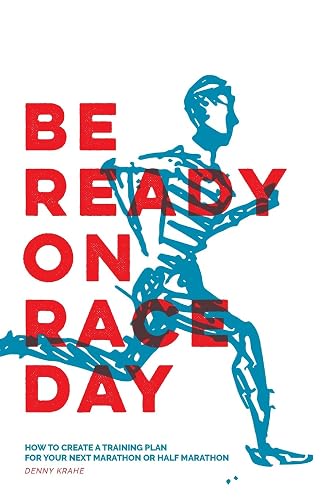 TOP CHOICEBest overallBe Ready on Race Day: How to Create a Custom Training Plan for Your NeView on Amazon
- 2
 TOP CHOICEBest for beginners who want a ready-made scheduleThe Half Marathon Training Plan: The Calm, Proven System to Get You to Race Day ReadyView on Amazon
- 3
 TOP CHOICEBest for building depth as a runnerMarathon, Revised and Updated 5th Edition: The Ultimate Training GuideView on Amazon
- 4
 Best for first-time racers with a longer runwayRunning Your First Marathon: The Complete 20-Week Marathon Training PlanView on Amazon
- 5
 Best for runners who want a systematic approach to taperingThe Complete Marathon Training System: A Simple Approach to Smarter Training PlansView on Amazon
- 6
 Best for runners who want to understand the reasoning behind a planMarathon Training Plans Decoded: A Step-by-Step Guide to Training forView on Amazon
Our Top Picks
Quick Comparison
| Product | Best for | Key feature |
|---|---|---|
| Be Ready on Race Day | Runners who want to build a custom plan | Step-by-step plan construction |
| The Half Marathon Training Plan | Beginners who want a ready-made schedule | Structured, calm-paced guidance |
| Marathon, Revised and Updated 5th Edition | Runners building long-term depth | Comprehensive plans and programs |
| Running Your First Marathon | First-time racers with a longer timeline | 20-week progressive structure |
| The Complete Marathon Training System | Runners focused on tapering and race execution | Strategic tapering framework |
| Marathon Training Plans Decoded | Runners who want to understand plan logic | Adaptable, goal-based plan building |
Be Ready on Race Day: How to Create a Custom Training Plan for Your Next Marathon or Half Marathon
Be Ready on Race Day: How to Create a Custom Training Plan for Your Next Marathon or Half Marathon
Best for: Building a custom plan from your own starting point A related read: Running 5K Training Plan for Beginners: 8-Week Step-by-Step Guide.
This book suits runners who have a race date, a current weekly mileage, and a goal time, and who want to construct their own schedule rather than copy someone else’s. It is a good match for intermediate runners who have already completed a few shorter races and understand their baseline fitness.
Key specs
- Format: paperback guide
- Focus: custom plan construction for half and full marathons
- Covers: weekly structure, progression, and race-day readiness
Pros
- Teaches the logic behind weekly mileage and workout placement
- Useful for adjusting plans when training is interrupted
- Applies equally well to half and full marathon preparation
Cons
- Requires some self-assessment before the plan becomes useful
- Less suited to absolute beginners who want a fully pre-built schedule
Bottom line: The best choice for runners who want to understand and build their own plan rather than follow a fixed template.
The Half Marathon Training Plan: The Calm, Proven System to Get You to Race Day Ready
The Half Marathon Training Plan: The Calm, Proven System to Get You to Race Day Ready
Best for: Beginners who want a ready-made schedule
This title is aimed squarely at half marathon runners, and its approach is built around a structured, reassuring tone. It fits new racers who want clear weekly guidance and would rather follow a schedule than design one from scratch.
Key specs
- Focus: half marathon specific
- Format: pre-structured training system
Pros
- Clear, half-marathon-specific focus
- Easy to follow for someone new to structured training
- Reduces decision fatigue during the build-up
Cons
- Less room for customization for experienced runners
- Limited depth on advanced topics like race-pace workouts
Bottom line: A strong pick for first-time half marathoners who want a dependable, straightforward structure.
Marathon, Revised and Updated 5th Edition: The Ultimate Training Guide
Marathon, Revised and Updated 5th Edition: The Ultimate Training Guide: Advice, Plans, and Programs for Half and Full Marathons
Best for: Building depth as a runner
This is a broader reference covering advice, plans, and programs for both half and full marathons. It suits runners who expect to race more than once and want a reference they can return to across multiple training cycles.
Key specs
- Edition: 5th, revised and updated
- Covers: half and full marathon plans and programs
Pros
- Multiple plans across different goals and experience levels
- Useful long-term reference for repeated training cycles
- Covers both half and full marathon distances
Cons
- Can feel dense for runners who only want one simple schedule
- Requires some time investment to find the most relevant plan
Bottom line: Best for runners who want a comprehensive reference rather than a single plan.
Running Your First Marathon: The Complete 20-Week Marathon Training Plan
Running Your First Marathon: The Complete 20-Week Marathon Training Plan
Best for: First-time racers with a longer runway
This title is built around a 20-week progressive structure. Although it is a marathon book, its progression logic transfers well to half marathon preparation for runners who have more time before race day and want a gradual build.
Key specs
- Plan length: 20 weeks
- Focus: first marathon, progressive build
Pros
- Gradual progression suits cautious beginners
- Long timeline allows more recovery time
- Clear week-to-week structure
Cons
- Marathon-focused, so half marathon runners must scale the plan down
- Too long for runners with only a few months to prepare
Bottom line: Good for runners who have plenty of lead time and want a gradual, low-risk build.
The Complete Marathon Training System: A Simple Approach to Smarter Training Plans
The Complete Marathon Training System: A Simple Approach to Smarter Training Plans, Strategic Tapering, Confident Race-Day Execution & a Practical … … (Highly Effective Marathon Training Plan)
Best for: Runners who want a systematic approach to tapering
This book emphasizes strategic tapering and race-day execution alongside the training build. It fits runners who have finished a race before and want to refine how they peak, not just how they accumulate miles.
Key specs
- Covers: training plans, tapering, race-day execution
- Focus: marathon training system (applicable to half marathon planning)
Pros
- Strong coverage of tapering strategy
- Addresses race-day execution, not only training
- Simple framing for an overall system
Cons
- Marathon orientation means half marathon runners need to adapt volumes
- May be more than a first-time half marathoner needs
Bottom line: A good choice for runners who want to get the taper and race day right, not just the training block.
Marathon Training Plans Decoded: A Step-by-Step Guide to Training for Marathon the Smart Way
Marathon Training Plans Decoded: A Step-by-Step Guide to Training for Marathon the Smart Way, Building the Right Plan Adapted to Your Goals and … (Highly Effective Marathon Training Plan)
Best for: Runners who want to understand the reasoning behind a plan
This guide focuses on how plans are built and how to adapt them to individual goals. It suits runners who find a fixed schedule too rigid and want to understand why each week looks the way it does.
Key specs
- Focus: plan building and goal-based adaptation
- Covers: marathon training, applicable to half marathon planning
Pros
- Explains the logic behind plan structure
- Helps runners adjust plans when life changes
- Good for building long-term training literacy
Cons
- Requires more reading and reflection than a simple schedule book
- Half marathon runners need to translate marathon examples down
Bottom line: Best for thoughtful runners who want to understand and personalize their plan, not just follow it.
Buying Guide
Match the book to your experience level
A first-time half marathoner usually benefits from a book with a pre-built schedule and clear weekly instructions. An experienced runner may prefer principles and plan-building guidance. Be honest about how much structure you need before you commit.
Good picks for this: The Half Marathon Training Plan, Running Your First Marathon
Check how much time you have before race day
Many plans assume 12 to 16 weeks. If you have less time, look for a book that explains how to compress a build without skipping recovery. If you have more time, a longer progressive plan can reduce injury risk.
Good picks for this: Be Ready on Race Day, Running Your First Marathon
Look for guidance on weekly structure
A useful training book explains how weekly mileage, long runs, easy days, and quality sessions fit together. Check whether the author explains the reasoning, because that makes it easier to adjust when you miss a week.
Good picks for this: Marathon Training Plans Decoded, Be Ready on Race Day
Consider tapering and race-day coverage
Tapering is where many half marathon plans either succeed or fall apart. Look for a book that gives specific guidance on reducing volume in the final two to three weeks and on race-morning routines. For another angle, check out 7 Best Year-Long Marathon Training Plan Books and Guides (2026).
Good picks for this: The Complete Marathon Training System, Marathon, Revised and Updated 5th Edition
Assess the distance focus
Some titles are written for half marathons, while others cover marathons and need to be scaled down. A marathon-focused book can still be useful, but expect to adjust weekly volumes and long-run distances yourself. A related read: 7 Best Customized Half Marathon Training Plan Books and Planners for 2026.
Good picks for this: The Half Marathon Training Plan, Marathon, Revised and Updated 5th Edition
Think about how you will use the book
If you plan to refer to a book every week, a clear layout with easy-to-find tables matters. If you prefer to read a plan once and then follow it from memory, a shorter guide may be enough.
Good picks for this: The Half Marathon Training Plan, Be Ready on Race Day
Consider long-term value
A reference book covering multiple plans can serve you across several race cycles. A single-plan book may be more useful if you are training for one race and then stopping.
Good picks for this: Marathon, Revised and Updated 5th Edition, Marathon Training Plans Decoded For a deeper look, 6 Best 90 Min Half Marathon Training Plan Books and Guides (2026) covers this in detail.
FAQ
How long should I give myself to create a half marathon training plan?
Most beginner half marathon plans run 10 to 14 weeks. If you are already running regularly, 8 to 12 weeks may be enough. Less than 8 weeks is possible for runners with a solid base, but it leaves less room for recovery.
How many days per week should a half marathon plan include?
Most plans include three to five running days, with at least one or two easy days and one long run per week. Strength work and rest days are often recommended alongside the running schedule. For another angle, check out 5 Best Way to Start Trainings for a Half Marathon: Best Books and Guides (2026).
Should I follow a plan written for a marathon?
You can adapt a marathon plan by reducing weekly mileage and the longest run. Check that the plan’s progression is gradual enough for half marathon distance, and avoid copying marathon volumes directly.
What should a beginner prioritize in the first weeks?
Consistency and easy effort matter more than speed. Many beginners do best with a run-walk approach or mostly conversational-pace running in the first few weeks, building up time on feet before adding intensity.
How do I know if my plan is too hard?
Warning signs include persistent fatigue, declining performance across several sessions, sleep disruption, and aches that do not fade within a day or two. If symptoms persist, step back a week or consult a healthcare professional or a qualified running coach.
Do I need a coach to create a half marathon training plan?
No, many runners build successful plans on their own with a good guide. A coach can be helpful if you have had injuries, are chasing a specific time goal, or find it hard to stay consistent without outside accountability.
Is it okay to miss workouts in my plan?
Missing an occasional session is normal. Avoid trying to make up multiple missed runs at once. Resume the plan at the appropriate week and prioritize the long run when you can.
Conclusion
To create a half marathon training plan that works, start by choosing the framework that matches your experience and schedule. Beginners who want a clear, pre-built structure will likely find The Half Marathon Training Plan the easiest starting point. Runners who want to build and adjust their own schedule may prefer Be Ready on Race Day or Marathon Training Plans Decoded. Those planning to race more than once may get long-term value from Marathon, Revised and Updated 5th Edition. Runners with a longer timeline and a gradual approach may appreciate Running Your First Marathon, and those focused on tapering and race execution may find The Complete Marathon Training System most useful. Whichever you choose, pair the book with consistent habits and be willing to adjust when life intervenes.
For more planning help, see Twelve Week Half Marathon Training Plan: A Step-by-Step Guide or Training for a Half Marathon Plan: A 12-Week Guide for Beginners, and if your timeline is shorter, Half Marathon Training in 10 Weeks: A Step-by-Step Plan for Beginners covers a compressed build.
Sources
- Physical activity guidelines and recommendations for adults, including how to build activity safely over time (cdc.gov)
- Position guidance from the American College of Sports Medicine on exercise progression and training load (acsm.org)
- Research summaries on running injuries, recovery, and training volume (nih.gov)
Related reading
About Lauren Holland
Lauren Holland is part of our editorial team and reviews and edits our marathon & half-marathon guides, checking product details against manufacturer specifications and owner feedback.
