
 By Lauren Holland
Updated November 2026
Choosing the best first marathon book can shape how you prepare for your first 26.2 miles, from how many weeks you build up to how you handle your first long run and the final taper. A good first-marathon book should give you a clear training structure, explain the reasoning behind workouts, cover fueling and recovery, and speak to the realities of a first race rather than assuming years of experience. The four books below were selected by comparing published specifications, publisher and author reputation, and patterns in reader feedback, focusing on how well each one serves a beginner. A related read: 6 Best First Half Marathon Gear Picks for New Runners (2026).
Our top picks at a glance
- 1
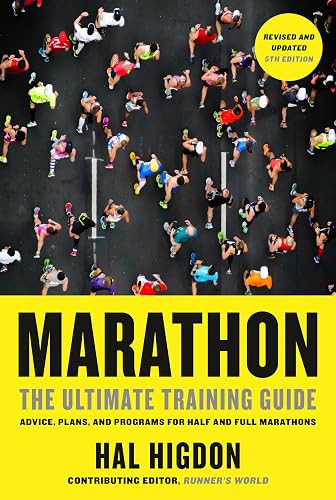 TOP CHOICEBest overallMarathon, Revised and Updated 5th Edition: The Ultimate Training GuideView on Amazon
- 2
 Best for stepping up from a half marathonHalf Marathon to Full Marathon Training Guide for First-Time MarathonersView on Amazon
- 3
 Best for runners in their 40s and beyondMaster Your First Masters Marathon: A Guide for Aspiring Runners in Their 40s and BeyondView on Amazon
- 4
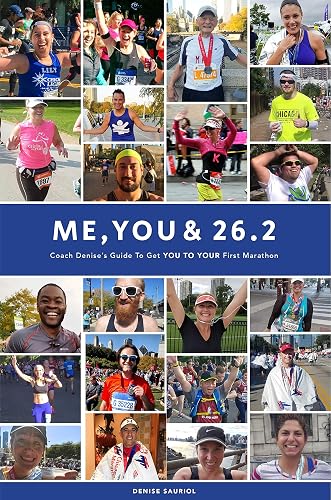 Best for a coached, encouraging readMe, You & 26.2: Coach Denise's Guide to get YOU TO YOUR First MarathonView on Amazon
Our Top Picks
| Product | Best for | Key feature |
|---|---|---|
| Marathon, Revised and Updated 5th Edition: The Ultimate Training Guide | Runners who want a comprehensive reference | Plans and programs for both half and full marathons |
| Half Marathon to Full Marathon Training Guide for First-Time Marathoners | Runners who have already finished a half marathon | An easy 4-step framework for stepping up distance |
| Master Your First Masters Marathon | Runners in their 40s and beyond | Guidance tailored to training and recovery at older ages |
| Me, You & 26.2: Coach Denise’s Guide | Beginners who want motivation and a friendly coaching voice | Written as a coach’s guide to reaching the start line |
Marathon, Revised and Updated 5th Edition: The Ultimate Training Guide: Advice, Plans, and Programs for Half and Full Marathons
Marathon, Revised and Updated 5th Edition: The Ultimate Training Guide: Advice, Plans, and Programs for Half and Full Marathons
Best for: Runners who want a comprehensive, reference-style guide to marathon training
This is a long-standing title in running literature, and it suits readers who prefer depth over quick tips. It is a good fit for someone who wants to understand why a plan is structured the way it is and who plans to keep the book on the shelf for future races.
Key specs: A related read: Furman First 5K Training Plan: 6 Best Books and Plans for Beginners.
- Covers both half and full marathon training
- Includes multiple training programs and plans
- Revised and updated 5th edition
Pros:
- Thorough explanation of training principles and terminology
- Multiple plans let you match training to your available weekly mileage
- Useful as a long-term reference beyond your first race
Cons:
- Dense for readers who want a short, step-by-step plan
- Can feel like more information than a first-timer needs in one sitting
Bottom line: Pick this if you want a complete reference and are willing to read carefully. It works especially well for runners who expect to race more than once.
Half Marathon to Full Marathon Training Guide for First-Time Marathoners
Half Marathon to Full Marathon Training Guide for First-Time Marathoners: How to Step Up from Half Marathon with an Easy 4-Step Framework to Prepare … Race Confidently, Finish Strong & Feel Proud
Best for: Runners who have already finished a half marathon and want to move up
This guide is aimed at the specific step from 13.1 to 26.2 miles. If you already have a half marathon under your belt, its focus on making that jump may match your situation more closely than a general reference.
Key specs:
- Built around an easy 4-step framework
- Focused on first-time marathoners stepping up from the half marathon distance
Pros:
- Clear, step-based structure that is easy to follow
- Directly addresses the half-to-full transition
- Focuses on finishing strong and building confidence
Cons:
- Less useful if you are starting from walking or no race experience
- Narrower scope than a full training reference
Bottom line: A strong choice for a half marathoner preparing for the next distance. Beginners starting from scratch may want a broader guide first.
Master Your First Masters Marathon: A Guide for Aspiring Runners in Their 40s and Beyond
Master Your First Masters Marathon: A Guide for Aspiring Runners in Their 40s and Beyond
Best for: Runners in their 40s and beyond preparing for a first marathon
Recovery time, injury risk and training load change with age, and a guide written for this stage of life addresses those concerns directly. It suits readers who feel that general beginner plans don’t account for their situation.
Key specs:
- Written specifically for runners in their 40s and older
- Covers first-marathon preparation for this age group
Pros:
- Speaks directly to age-related training and recovery considerations
- Encouraging tone for readers new to marathons later in life
- Focused scope keeps advice relevant
Cons:
- Narrower audience than general marathon guides
- Less applicable to runners in their 20s or 30s
Bottom line: Best for runners who identify with this age group and want guidance tailored to it. Anyone with a health concern should consult a doctor before starting a marathon training program.
Me, You & 26.2: Coach Denise’s Guide to get YOU TO YOUR First Marathon
Me, You & 26.2: Coach Denise’s Guide to get YOU TO YOUR First Marathon
Best for: Beginners who want motivation and a coached, encouraging voice
If you tend to quit when training gets hard, a book that reads like a coach talking you through the process can make a real difference. This one is written for readers who want encouragement as much as a schedule. You may also like 5 Best UK Marathons for First Timers: Picks Compared (2026).
Key specs:
- Written as a coach’s guide to reaching a first marathon
- Focused on first-time marathoners
Pros:
- Warm, motivating tone suited to nervous beginners
- Framed around getting you to the start line, not just through the plan
- Easy to read in short sessions
Cons:
- Less technical depth on training physiology
- Pair it with a detailed plan if you want more structure
Bottom line: A good pick for a first-timer who wants a supportive guide. Readers who want heavy technical detail may prefer the reference-style title above.
Buying Guide
Match the book to your starting point
A book written for someone who has never run more than a few miles will feel different from one written for an experienced half marathoner. Check whether the author assumes you already have a race under your belt, a weekly mileage base or a running club behind you. If you are starting from low mileage, a guide that builds from the basics will serve you better than one that jumps into advanced workouts.
Good picks for this: Me, You & 26.2: Coach Denise’s Guide; Marathon, Revised and Updated 5th Edition
Check the training plan structure
Look for a book that explains how weekly mileage builds, how long runs progress and when to taper. Plans typically run 16 to 20 weeks for a first marathon, and a good book should show how to scale that schedule to your current fitness. Multiple plan options are useful if you can only commit a few days per week.
Good picks for this: Marathon, Revised and Updated 5th Edition; Half Marathon to Full Marathon Training Guide for First-Time Marathoners
Consider your prior race experience
If you have finished a half marathon, a guide focused on the half-to-full step can save you from repeating the same mistakes. Runners without race experience usually benefit from broader guidance on pacing, race-day logistics and recovery.
Good picks for this: Half Marathon to Full Marathon Training Guide for First-Time Marathoners; Marathon, Revised and Updated 5th Edition
Look for age-relevant advice
Training load, recovery and injury risk change over time. If you are in your 40s or older, a book that addresses these factors directly may be more useful than a general guide. Health-related questions should be raised with a doctor or qualified coach.
Good picks for this: Master Your First Masters Marathon
Evaluate coverage of fueling and race day
A first marathon is as much about nutrition and pacing as it is about mileage. Check that the book covers fueling strategies for long runs, hydration, pacing guidance and what to expect on race morning. Gaps here can leave you unprepared for the final miles.
Good picks for this: Marathon, Revised and Updated 5th Edition; Me, You & 26.2: Coach Denise’s Guide
Consider tone and motivation
Some readers respond best to a clinical, data-driven approach. Others need encouragement to stay consistent through a long build. Read a sample chapter if possible and see which voice keeps you engaged.
Good picks for this: Me, You & 26.2: Coach Denise’s Guide; Master Your First Masters Marathon
Think about long-term use
A comprehensive reference can serve you across multiple races, while a focused guide may be most useful for one specific goal. If you expect to run more marathons, a broader book adds value over time.
Good picks for this: Marathon, Revised and Updated 5th Edition
FAQ
What makes a book good for a first marathon?
A strong first-marathon book gives you a clear training structure, explains the reasoning behind workouts, covers fueling and recovery, and matches your current experience level. It should also address race-day preparation so you know what to expect. For another angle, check out Must Have for First Marathon: 6 Best Picks for New Runners (2026).
How long should I train before a first marathon?
Most beginner plans run between 16 and 20 weeks. The right length depends on your current weekly mileage and running background. A book’s plans should show how to adjust the timeline to your fitness.
Is a book enough, or do I need a coach?
A good book can carry you through a first marathon, but a coach or experienced running partner can offer feedback on form and pacing. If you have health concerns, consult a doctor before starting any training program.
Should I read the book before or after a half marathon?
Reading before your first half marathon can help you plan the progression toward 26.2 miles. If you have already finished a half, a half-to-full guide can help you prepare for the step up.
Do I need to be a fast runner to use these books?
No. Most first-marathon guides are written for finishing the race, not for competitive times. Focus on building consistent weekly mileage and completing long runs at a comfortable pace.
How do I pick between a reference book and a beginner guide?
Choose a reference book if you want depth and expect to race again. Choose a focused beginner guide if you want a simpler, motivating read for one specific goal.
Conclusion
For most first-timers, Marathon, Revised and Updated 5th Edition is the most complete choice, especially if you want a long-term reference. Runners who have already completed a half marathon will find the half-to-full guide directly relevant. Readers in their 40s and beyond may benefit from the masters-focused title, and beginners who want encouragement will likely connect with Me, You & 26.2. Match the book to your experience, your age and the kind of support you need most, and use it alongside a plan you can realistically follow.
Sources
- Physical activity guidelines and safe exercise progression for adults (cdc.gov)
- Research on running injury prevention, recovery and nutrition (nih.gov)
- Position statements on exercise training, hydration and fueling (acsm.org)
Related reading
- First Marathon Runner Under 2 Hours: 4 Best Books to Study the Pace
- What's a Good First Marathon Time? Realistic Goals by Pace
- What's a Good First Half Marathon Time? Realistic Goals for Beginners
About Lauren Holland
Lauren Holland is part of our editorial team and reviews and edits our marathon & half-marathon guides, checking product details against manufacturer specifications and owner feedback.