
 By Ethan Brooks
Updated November 2026
Sis energy gels caffeine products are a popular choice for runners and cyclists who want a fast, portable hit of carbohydrates and stimulant during long efforts. The Science in Sport Isotonic Formula Energy Gel listed here, sold as the SiS GO Energy + Caffeine Gel in a 30-count berry pack, pairs 22 grams of carbohydrate with 75 milligrams of caffeine in a single gel. It suits marathoners, half-marathoners, triathletes and endurance cyclists who already train with gels and want a caffeinated option for the second half of a race. It is less suited to people who are sensitive to caffeine, who prefer whole-food fueling, or who want a gel with a lower sugar load for easy training days. Anyone with a heart condition, anxiety disorder, or who is pregnant should check with a doctor before using caffeinated products.

Science in Sport Isotonic Formula Energy Gel for Elite Athletes with 22g Carbs & 75mg Caffeine, Sports Nutrition SiS GO Energy + Caffeine Gel, 22g Carbs, 75mg Caffeine, Berry, 30 Count
Product Overview
The SiS GO Energy + Caffeine Gel is part of the Science in Sport (SiS) endurance nutrition line, a UK-founded brand that has been widely used in cycling and running circles. The gel is designed as a carbohydrate source for sustained exercise, with the caffeine component intended to support alertness and perceived effort later in a session. The product is sold as a 30-count case of berry-flavored single-serve packets, which makes it a volume option for regular training blocks or a race season.
SiS positions its isotonic gel formulas as easier on the stomach than some thicker, more concentrated gels, because the liquid is designed to be taken with little or no additional water. That is a meaningful claim for athletes who struggle with gut comfort at race pace, though individual tolerance varies widely. The caffeine in this version is a fixed dose of 75 milligrams per gel, which is roughly the amount in a standard cup of brewed coffee.
Because the product is a sports nutrition item rather than a general food, it is best judged on how well it fits a structured fueling plan. Gels like this one are normally used during efforts longer than about 60 to 75 minutes, and the timing of each serving matters as much as the product itself. If you are still building a fueling strategy, our guide on When to Take Energy Gels: A Marathoner's Timing Guide walks through common intervals and how to test them in training.
Key Features & Specifications
The table below lists the specifications named in the product listing. Items not stated in the listing have been left out rather than estimated.
| Feature | Specification |
|---|---|
| Brand | Science in Sport (SiS) |
| Product line | SiS GO Energy + Caffeine Gel |
| Carbohydrates per gel | 22 grams |
| Caffeine per gel | 75 milligrams |
| Flavor | Berry |
| Pack size | 30 count |
| Formulation | Isotonic energy gel |
| Category | Sports nutrition, energy gel |
Manufacturers generally specify that SiS isotonic gels are meant to be taken with water, and that the caffeine content should be considered when planning total daily intake. Check the packaging for the current serving instructions and ingredient list, since formulations can be updated.
Pros & Cons
Pros
- 22 grams of fast-acting carbohydrate per packet, a common target for a single in-race serving.
- 75 milligrams of caffeine, which is a clear, consistent dose that makes it easier to plan total intake.
- Isotonic formulation, which the brand positions as easier to take without a lot of extra water.
- 30-count case suits a full training block or race season without frequent reorders.
- Berry flavor is a neutral, fruit-forward option for athletes who tire of sweeter citrus or cola profiles.
- Single-serve packets are simple to carry in a running belt, bike jersey pocket, or hydration vest.
Cons
- The caffeine dose is fixed at 75 milligrams, so athletes who want a smaller or larger amount cannot adjust it within the packet.
- Caffeine is not appropriate for everyone, and it can cause jitteriness, stomach upset or sleep disruption in sensitive people.
- At 22 grams per gel, athletes with higher carbohydrate targets may need to take two packets per hour, which adds to the total stimulant load.
- Gel texture and sweetness are personal preferences, and some runners find isotonic gels thinner or harder to swallow than thicker alternatives.
- Not suitable for low-carb or ketogenic fueling plans that avoid simple sugars.
Performance Analysis
Based on the specifications and on patterns commonly described by owners and athletes in public forums and review discussions, the SiS GO Energy + Caffeine Gel tends to perform best in a specific role: a mid-to-late race carbohydrate and caffeine boost. The 22-gram carbohydrate load sits near the middle of the range that sports nutrition guidance typically recommends for a single gel serving, which means it can be used as a steady part of an hourly plan. The 75-milligram caffeine dose is in line with a moderate coffee-equivalent, which many endurance athletes find useful when they want a clear lift in alertness without a very large stimulant spike.
Owner feedback commonly mentions the isotonic texture as a plus for stomach comfort, particularly when the gel is taken with small sips of water. Some users report that the berry flavor is mild and easy to take at pace, while others find it less sweet than they expected and prefer to pair it with a sports drink. Reports of stomach upset are not unusual with any gel, and they tend to cluster around taking gels too early, too frequently, or without practicing in training. The caffeine adds a second variable: athletes who have not tested their caffeine tolerance in training may experience palpitations, restlessness or GI discomfort on race day.
In practical terms, the best use of this product is to rehearse your exact timing during long runs or rides. Start with a single gel at the intended interval, note how your stomach and energy respond, and adjust. Use our guide on When to Take Energy Gels During Half Marathon: A Step-by-Step Timing Guide if you are planning a shorter race where caffeine timing is especially important.
Who Should Buy This Product?
This product makes the most sense for athletes who already tolerate caffeine and have used energy gels in training. Marathoners who want a caffeinated option for the final third of a race, half-marathoners who rely on a late-race push, and endurance cyclists who ride for two hours or more are the most natural fit. Triathletes who need a compact, portable fueling option for the bike or run leg may also find it useful, especially if they prefer isotonic gels.
It is less suitable for runners who avoid caffeine entirely, for those with a medical reason to limit stimulants, or for athletes who do not yet know how their gut responds to gels. Beginners may be better served by a caffeine-free option while they build their fueling routine. Readers who want to compare options without caffeine can look at 6 Best Caffeine Free Energy Gels for Running (2026). Anyone with a heart rhythm issue, high blood pressure, or anxiety should consult a physician before adding a caffeinated gel to a training plan.
Buying Guide
When choosing a caffeinated energy gel, start with three numbers: carbohydrates per serving, caffeine per serving, and how many servings your race or ride requires. A common planning approach is to aim for roughly 30 to 60 grams of carbohydrate per hour during prolonged exercise, which means a 22-gram gel may be one serving within a larger plan rather than the whole hour’s intake. Caffeine intake should also be tracked across the day, including coffee, tea and pre-workout products, so you do not exceed your personal limit.
Texture and format matter too. Isotonic gels like the SiS GO line are typically thinner and designed for use with water, while other gels are thicker and may require more water to wash down. Flavor is a personal choice, and it is worth sampling a few before buying a large case. If you want to compare a wider range of options, Running Energy Gels Comparison: 7 Factors to Compare Before You Buy covers the criteria that matter most.
Several well-known alternatives are worth considering depending on your priorities. The SiS GO Energy + Caffeine Gel in a smaller 6-count citrus pack is a good trial size if you want to test flavor and tolerance before committing to a 30-count case:
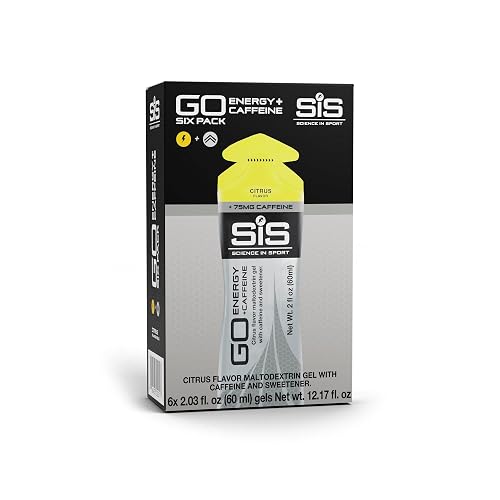
SiS GO Energy + Caffeine Gel, 22g Carbs, 75mg Caffeine, Citrus, 6 Count
For athletes who want the same Science in Sport brand with a different flavor profile, the orange energy caffeine gel option is a common pick:

Science in Sport Energy Caffeine Gels, 22g Fast Acting Carbohydrates, Endurance Sport Energy Gels with 75mg of Caffeine, New Orange Flavor – 2 oz – 6 Pack
If you prefer to see how other brands compare on flavor and caffeine, our roundup of 5 Best GU Energy Gels with Caffeine for Race Day (2026) covers a range of caffeinated options. Athletes looking specifically at SiS products can also review 7 Best SiS Energy Gels for Running: Our Picks Compared.
FAQ
How much caffeine is in one SiS GO Energy + Caffeine Gel?
The listing specifies 75 milligrams of caffeine per gel. Total daily caffeine intake should account for all sources, including coffee, tea, and other supplements.
How many carbohydrates does each gel contain?
Each gel provides 22 grams of carbohydrate, according to the product name and listing.
Do I need to take water with this gel?
Isotonic gels are generally designed to be taken with small amounts of water. Follow the instructions on the packaging and test the combination in training first.
When should I take a caffeinated gel during a race?
Many athletes take caffeine later in a long event, often in the final third, to limit early-race stimulation. Practice your timing during long training sessions before race day.
Can I take this gel if I am sensitive to caffeine?
Caffeine sensitivity varies. If you are prone to jitteriness, stomach upset, or sleep problems, consider a caffeine-free gel instead and talk to a healthcare professional about your intake.
Is this gel suitable for a low-carb or keto diet?
No. The gel is a simple carbohydrate product intended for exercise fueling, so it does not fit low-carb or ketogenic plans.
How should I store energy gels?
Store gels at room temperature, away from direct heat and sunlight, and check the expiration date before use. Extreme heat can change texture and flavor.
Can children or teenagers use caffeinated energy gels?
Caffeinated sports products are generally intended for adults. Parents and young athletes should consult a pediatrician or sports medicine professional before use.
Final Verdict
The SiS GO Energy + Caffeine Gel offers a clear, consistent combination of 22 grams of carbohydrate and 75 milligrams of caffeine in a portable isotonic format. For caffeine-tolerant endurance athletes who already use gels, it is a practical choice for a late-race boost, and the 30-count case covers a full training block. Athletes who are caffeine-sensitive, following a low-carb plan, or still testing their gut tolerance should look at alternatives or start with a smaller pack. As with any fueling product, rehearse your timing in training and speak with a qualified professional if you have health concerns.
About Ethan Brooks
Ethan Brooks is part of our editorial team and reviews and edits our marathon & half-marathon guides, checking product details against manufacturer specifications and owner feedback.
