
 By Lauren Holland
Updated November 2026
Choosing the best shoes for first time marathon training is less about chasing the newest foam and more about finding a shoe that fits your foot, handles long weekly mileage, and feels stable when you are tired at mile 20. First-timers often log 300 to 500 miles in a single training cycle, so the right shoe matters more than most beginners expect. The picks below were selected by comparing manufacturer specifications, brand reputation, and patterns in owner feedback, with an eye toward cushioning, stability, support, and everyday durability. None of these were tested by us; treat the list as a research-based shortlist and confirm fit in person when you can.
Our top picks at a glance
- 1
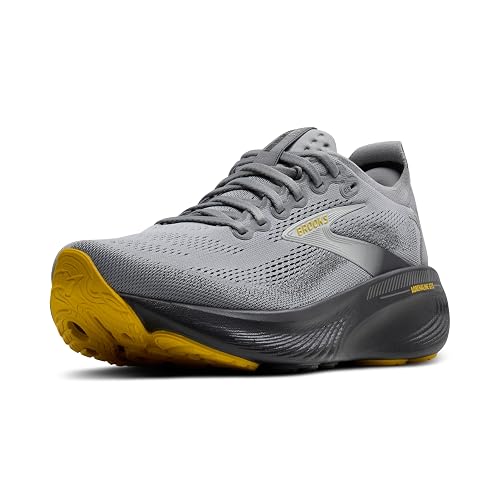 TOP CHOICEBest overallBrooks Men's Adrenaline GTS 25 Running ShoeView on Amazon
- 2
 TOP CHOICEBest for neutral runners who want a soft rideSaucony Unisex Endorphin Elite 2 Road Running ShoeView on Amazon
- 3
 TOP CHOICEBest for long runs and cushioned mileageASICS Men's Gel-Nimbus 28 Running ShoesView on Amazon
- 4
 Best for a lighter daily trainerBrooks Men's Ghost 17 Neutral Running ShoeView on Amazon
- 5
 Best for race day or a faster debutBrooks Unisex Hyperion Elite 5 Neutral Race Running Shoe for Men & WomenView on Amazon
Our Top Picks
Quick Comparison
| Product | Best for | Key feature |
|---|---|---|
| Brooks Men’s Adrenaline GTS 25 Running Shoe | Overpronators and runners wanting support | Guidance-style stability |
| Brooks Men’s Ghost 17 Neutral Running Shoe | Everyday training and steady mileage | Balanced cushioning |
| Brooks Unisex Hyperion Elite 5 Neutral Race Running Shoe for Men & Women | Race day and faster paces | Lightweight racing build |
| Saucony Unisex Endorphin Elite 2 Road Running Shoe | Neutral runners wanting a soft, springy ride | Highly responsive foam |
| ASICS Men’s Gel-Nimbus 28 Running Shoes | High-mileage training and long runs | Plush cushioning |
Brooks Men’s Adrenaline GTS 25 Running Shoe
Brooks Men's Adrenaline GTS 25 Running Shoe
Best for: Runners who want stability and support across long training weeks.
This is a support-oriented daily trainer for first-timers who tend to roll their feet inward or simply want a secure, guided feel as fatigue builds over long runs.
Key specs
- Category: stability running shoe (guidance support)
- Designed for road running and daily training
- Men’s sizing
Pros
- Supportive structure that helps control inward foot motion
- Well suited to high weekly mileage
- Stable feel on tired legs late in long runs
Cons
- Heavier than neutral lightweight trainers
- Less appealing if you want a minimal, flexible ride
Bottom line: A strong first choice for beginners who need support and plan to log consistent weekly miles.
Brooks Men’s Ghost 17 Neutral Running Shoe
Brooks Men’s Ghost 17 Neutral Running Shoe
Best for: Everyday training and steady mileage for neutral runners.
A versatile, cushioned neutral trainer suited to the bulk of training runs, with a comfortable ride that many runners use for daily miles.
Key specs
- Category: neutral running shoe
- Designed for road running and daily training
- Men’s sizing
Pros
- Balanced cushioning for a wide range of paces
- Smooth, predictable ride across long distances
- Works well as a single shoe for most of a training plan
Cons
- Not as plush as dedicated max-cushion options
- Limited support for runners who overpronate
Bottom line: Good for neutral-stride beginners who want one dependable shoe for most training days.
Brooks Unisex Hyperion Elite 5 Neutral Race Running Shoe for Men & Women
Brooks Unisex Hyperion Elite 5 Neutral Race Running Shoe for Men & Women
Best for: Race day and faster paces once your base is built.
A lightweight racing shoe meant for the final weeks of training and race day, not for building mileage from scratch. Consider it a second pair rather than your only pair.
Key specs
- Category: neutral race shoe
- Unisex sizing for men and women
- Built for road racing
Pros
- Light weight that many racers prefer for faster paces
- Responsive feel for race-pace efforts
- Unisex fit suits a range of foot shapes
Cons
- Less durable for high daily mileage than trainers
- Firmer, more minimal feel may not suit every beginner
Bottom line: Best reserved for race day or late-cycle workouts; pair it with a daily trainer for the rest of your plan.
Saucony Unisex Endorphin Elite 2 Road Running Shoe
Saucony Unisex Endorphin Elite 2 Road Running Shoe
Best for: Neutral runners who want a soft, springy ride.
A performance road shoe with highly responsive foam, suited to runners who enjoy a bouncy feel and plan to use it for tempo runs and longer efforts.
Key specs
- Category: neutral road running shoe
- Unisex sizing
- Designed for road running
Pros
- Responsive, energetic feel through the stride
- Suits faster workouts and race efforts
- Unisex sizing offers a broad fit range
Cons
- Typically positioned as a performance shoe, so the price of ownership can feel high for high-mileage training
- Less cushioned feel than max-cushion trainers for very long easy days
Bottom line: Ideal for neutral beginners who want responsiveness and will use it for a mix of training and race efforts.
ASICS Men’s Gel-Nimbus 28 Running Shoes
ASICS Men's Gel-Nimbus 28 Running Shoes
Best for: High-mileage training and long, easy runs.
A plush, cushioned trainer built for the long, slow miles that make up most of a first marathon plan. It suits runners who prioritize comfort over speed.
Key specs
- Category: cushioned neutral running shoe
- Men’s sizing
- Designed for road running
Pros
- Plush cushioning that many runners find comfortable on long runs
- Well suited to high weekly mileage
- Smooth transitions for easy and recovery days
Cons
- Heavier than lightweight trainers and racers
- Less responsive for faster tempo work
Bottom line: A comfortable choice for beginners who plan high mileage and prefer maximum cushioning.
Buying Guide
Fit and Sizing
Marathon training adds swelling to your feet, so most runners find that a half to a full size larger than their everyday shoe feels right. Leave roughly a thumb’s width of space in front of your longest toe and check that your heel stays put without slipping. Shop later in the day when your feet are at their largest, and wear the socks you plan to run in.
Good picks for this: ASICS Men’s Gel-Nimbus 28 Running Shoes, Brooks Men’s Ghost 17 Neutral Running Shoe
Stability and Support
Neutral shoes suit runners whose feet stay fairly straight through the stride. If you notice wear on the inner edge of your shoes or your ankles roll inward on long runs, a stability model may feel more secure. A gait analysis at a specialty running store can help you sort out which category fits you, though that is a good moment to consult a professional, such as a sports medicine clinician, if you have ongoing foot or joint pain.
Good picks for this: Brooks Men’s Adrenaline GTS 25 Running Shoe
Cushioning Level
Cushioning affects how your legs feel after long efforts. Max-cushion trainers absorb more impact but weigh more; moderate cushioning offers a balance for most training. Beginners often do well with a shoe that feels comfortable at easy pace rather than one chosen for its firmness on a short test jog.
Good picks for this: ASICS Men’s Gel-Nimbus 28 Running Shoes, Brooks Men’s Ghost 17 Neutral Running Shoe
Weight and Responsiveness
Lighter shoes can feel quicker, but they usually have less protection and may wear faster. Responsive foams return energy through the stride and suit faster workouts. Many first-timers use a heavier trainer for most runs and a lighter option for speed sessions or race day.
Good picks for this: Saucony Unisex Endorphin Elite 2 Road Running Shoe, Brooks Unisex Hyperion Elite 5 Neutral Race Running Shoe for Men & Women
Durability and Mileage Life
Running shoes generally lose their cushioning and structure well before the outsole looks worn. Many running brands suggest replacing shoes somewhere around 300 to 500 miles, depending on body weight, stride, and terrain. Rotating two pairs can extend the life of each and spread the load across your feet. Racing flats usually wear out faster than trainers, so plan accordingly.
Good picks for this: Brooks Men’s Ghost 17 Neutral Running Shoe, ASICS Men’s Gel-Nimbus 28 Running Shoes
Use Case and Training Plan
Match the shoe to the work it will do. A daily trainer should handle most of your weekly mileage, while a race shoe is better for the final workouts and the race itself. If you plan to run only three or four days a week at moderate distances, one versatile shoe may be enough.
Good picks for this: Brooks Men’s Ghost 17 Neutral Running Shoe, Brooks Unisex Hyperion Elite 5 Neutral Race Running Shoe for Men & Women
Break-In and Comfort
New shoes should feel comfortable out of the box, but expect a short adjustment period. Introduce a new pair gradually, using it for shorter runs first, and avoid making your first long run in an untested shoe. Pay attention to hot spots, rubbing, and any numbness, and replace or adjust if discomfort persists.
Good picks for this: Saucony Unisex Endorphin Elite 2 Road Running Shoe, Brooks Men’s Adrenaline GTS 25 Running Shoe
FAQ
How many pairs of running shoes do I need for my first marathon?
Many first-timers do well with two pairs: a daily trainer for most runs and a lighter shoe for faster workouts or race day. A single well-chosen trainer can also work if you run only a few times per week.
When should I buy my marathon shoes?
Buy them early in your training block, ideally at least a few weeks before your long runs begin. This gives you time to break them in and to exchange them if the fit is wrong.
Should I buy a half size or full size up?
Many runners choose a half to a full size larger than their casual shoe to accommodate foot swelling during long runs. Test the fit at the end of the day and leave room in the toe box.
Can I run a marathon in trail shoes or racing flats?
Road marathons are usually run in road shoes. Trail shoes add grip and protection for dirt surfaces, while racing flats are lightweight but offer less cushioning, so they are generally better as race-day options than training shoes for beginners.
How long do running shoes last during marathon training?
Many brands suggest replacing shoes around 300 to 500 miles. Watch for lost cushioning, uneven wear, or new aches as signs it may be time for a fresh pair.
Do I need a gait analysis before buying?
It is not required, but a fitting at a specialty running store can help you identify whether a neutral or stability shoe suits you. If you have persistent foot, knee, or hip pain, consult a sports medicine professional or physical therapist before changing your footwear.
Is a more expensive shoe better for a first marathon?
Not necessarily. The right fit and a shoe that suits your stride matter more than the premium features. A mid-range trainer that feels comfortable often serves beginners better than a high-end racer.
Conclusion
For most first-time marathoners, the best shoes for first time marathon training start with a comfortable, well-fitting daily trainer. The Brooks Men’s Adrenaline GTS 25 Running Shoe suits runners who want support, while the Brooks Men’s Ghost 17 Neutral Running Shoe works well as a versatile everyday choice for neutral strides. The ASICS Men’s Gel-Nimbus 28 Running Shoes fit high-mileage, cushion-focused plans, and the Saucony Unisex Endorphin Elite 2 Road Running Shoe offers a responsive feel for faster efforts. Save the Brooks Unisex Hyperion Elite 5 Neutral Race Running Shoe for Men & Women for race day or late-cycle sessions. For a broader look at beginner footwear, see First Time Marathon Shoes: 7 Best Picks for Beginner Runners, and for how shoe features connect to training, read Marathon Running Shoe Features.
Sources
- Guidance on physical activity levels and safe exercise habits for adults (cdc.gov)
- Research summaries on running injuries, biomechanics, and lower-limb health (nih.gov)
- Position statements on exercise prescription and training load (acsm.org)
Related reading
- What Is the Best First Time Marathon Goal? Realistic Times and Picks
- Realistic First Marathon Time: 3 Best Guides for First-Timers
- First Ever Marathon Time: 3 Best Guides and Pace Tools for First-Timers
- Runner's World First Marathon Training Plan: 7 Best Picks for Beginners (2026)
About Lauren Holland
Lauren Holland is part of our editorial team and reviews and edits our marathon & half-marathon guides, checking product details against manufacturer specifications and owner feedback.
