
 By Ethan Brooks
Updated November 2026
Long runs and marathon races push your glycogen stores to their limit, and high carb energy gels are one of the simplest ways to keep your intake on track. This guide compares six gels built around high carbohydrate content, with a focus on how many grams each delivers per serving, how easy they are to take on the move, and how they fit different stomachs and race-day plans. Selection criteria were carbohydrate per gel, carbohydrate source, sodium content, texture and flavor, dietary labeling, and the general reputation of each brand. This is a research-based comparison built from manufacturer specifications and common owner feedback patterns, not a set of products we have personally tested.
Our top picks at a glance
- 1
 TOP CHOICEBest overallSalted Original 50g Energy Gel 12-PackView on Amazon
- 2
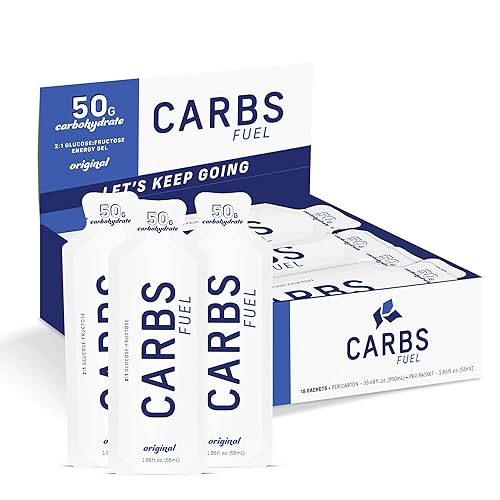 TOP CHOICEBest for high-volume carb targetsOriginal 50g Energy Gel 18 PackView on Amazon
- 3
 TOP CHOICEBest for sensitive stomachsPrecision Fuel PF30 Energy GelsView on Amazon
- 4
 Best real-food optionHuma Chia Energy GelsView on Amazon
- 5
 Best for fruit flavor fansHoney Stinger Organic Fruit Smoothie Energy GelView on Amazon
- 6
 Best for dual-source fuelingScience in Sport SiS BETA Fuel Energy GelView on Amazon
Our Top Picks
Quick Comparison
| Product | Best for | Key feature |
|---|---|---|
| Salted Original 50g Energy Gel 12-Pack | Overall high-carb fueling | 50g carbs and 450mg sodium per gel |
| Original 50g Energy Gel 18 Pack | Large carb targets on long efforts | 50g carbs per gel, no preservatives or gelling agents |
| Precision Fuel PF30 Energy Gels | Riders and runners with sensitive stomachs | Mild, neutral flavor and 30g carbs per gel |
| Huma Chia Energy Gels | Runners who prefer whole-food ingredients | Chia-based formula with variety pack |
| Honey Stinger Organic Fruit Smoothie Energy Gel | Runners who want a fruit flavor | Organic fruit smoothie flavor, caffeine free |
| Science in Sport SiS BETA Fuel Energy Gel | Efforts over 90 minutes | 40g carbs with a 1:0.8 maltodextrin to fructose ratio |
Salted Original 50g Energy Gel 12-Pack
Salted Original 50g Energy Gel 12-Pack | 50g Carbs, 450mg Sodium | Vegan & Gluten-Free | Thin, Easy-to-Consume Running Gels | No Hydration Mix Needed | Fuel for Longer Efforts
Best for: Overall high-carb fueling on marathon-length efforts
This is a good fit for runners who want a large carbohydrate dose per gel and who also need sodium replacement, especially in warm conditions or on long training days when sweat losses add up.
Key specs
- 50g carbohydrate per gel
- 450mg sodium per gel
- Vegan and gluten-free
- Thin consistency designed to be easy to take with water
- No hydration mix needed
Pros
- Delivers a high carbohydrate dose in a single gel, reducing the number of gels needed per hour
- Sodium content supports electrolyte needs on hot or long efforts
- Thin texture is often reported as easier to swallow while running
Cons
- The salty profile is not appealing to everyone and may feel unusual at first
- Gels this concentrated should be taken with water, so you need a plan for fluid intake
Bottom line: Best suited to marathoners and long-distance runners who want a high-carb, high-sodium gel and are comfortable practicing with it during training.
Original 50g Energy Gel 18 Pack
Original 50g Energy Gel – 50g Carbs Per Gel – No Preservatives, No Gelling Agents – Vegan & Gluten-Free – High-Carb Endurance Fuel – 18 Pack
Best for: Large carb targets on long efforts
Suited to runners who plan to hit a set carbohydrate target per hour and want a larger pack size for training blocks and race-week supply.
Key specs
- 50g carbohydrate per gel
- No preservatives or gelling agents
- Vegan and gluten-free
- Pack of 18 gels
Pros
- High carbohydrate per gel makes it straightforward to hit hourly targets
- Simple ingredient list with no preservatives or gelling agents
- The 18-count pack suits full training cycles
Cons
- Concentrated formula may cause GI discomfort for some runners if not taken with enough water
- Single flavor profile may get monotonous over a long block
Bottom line: A strong choice for runners who prioritize carbohydrate quantity and want a larger supply for an entire marathon training block.
Precision Fuel PF30 Energy Gels
Precision Fuel PF30 Energy Gels – Mild, Neutral Flavour Running Gels for Endurance Athletes, 30g Carbohydrate, Easy-to-Digest, Perfect for Running & Long-Duration Sports (Pack of 15)
Best for: Runners who need a mild, easy-to-digest gel
A practical option for athletes who find sweeter or more concentrated gels hard on their stomach, and for those who prefer a neutral taste that does not compete with sports drinks.
Key specs
- 30g carbohydrate per gel
- Mild, neutral flavor
- Designed for endurance sport, running and cycling
- Pack of 15 gels
Pros
- Lower carbohydrate per gel makes it easier to pace intake across the hour
- Neutral flavor works well alongside water or sports drink
- Often described by users as gentle on the stomach
Cons
- You will need more gels to reach the same total carbohydrate as higher-dose options
- Neutral flavor may feel bland to runners who like strong taste
Bottom line: Good for runners with sensitive digestion who want a steady, moderate carb intake rather than large doses.
Huma Chia Energy Gels
Real Food, Stomach Friendly Energy Gels Huma Chia Energy Gel, Variety, 12 Gels
Best for: Runners who prefer real-food ingredients
Aimed at athletes who want a gel built around recognizable whole-food ingredients, such as chia seeds, and who are willing to accept a lower carbohydrate-per-gel figure in exchange.
Key specs
- Chia-based formula
- Variety pack of 12 gels
- Designed as a real-food energy source
Pros
- Ingredient list emphasizes whole-food sources
- Variety pack lets you test flavors during training
- Often reported as easy on the stomach
Cons
- Carbohydrate per gel is generally lower than dedicated high-carb options, so you may need more gels per hour
- Texture may differ from traditional gels, which some runners find harder to swallow mid-stride
Bottom line: A reasonable pick for runners who value ingredient quality and can plan for a slightly higher gel count per hour.
Honey Stinger Organic Fruit Smoothie Energy Gel
Honey Stinger, Organic Fruit Smoothie Energy Gel, Gluten Free & Caffeine Free, for Exercise, Running and Performance, Sports Nutrition for Home & Gym, Pre and Mid Workout, 12 Pack, 13.2 Ounce
Best for: Runners who want a fruit-forward flavor
Good for athletes who find many gels too sweet or artificial-tasting and who prefer a fruit smoothie profile, especially for training runs where flavor fatigue is a concern.
Key specs
- Organic fruit smoothie flavor
- Gluten free
- Caffeine free
- Pack of 12 gels
Pros
- Fruit flavor appeals to runners who tire of standard sweet gels
- Caffeine-free makes it usable late in the day or for sensitive athletes
- Organic positioning suits buyers who prioritize ingredient sourcing
Cons
- Carbohydrate per serving should be checked against your target, as it is not as concentrated as the highest-dose gels
- Smoothie texture may feel thicker to some runners than thin gel formats
Bottom line: A good match for runners who want a fruity, caffeine-free gel for training and race day.
Science in Sport SiS BETA Fuel Energy Gel
Science in Sport Fast-Absorbing Carbohydrate Energy, 1:0.8 Maltodextrin to Fructose Ratio, 40g Carbs, Exercise Over 90 Min SiS BETA Fuel Dual-Source Isotonic Energy Gel, Neutral, 6-Pack
Best for: Efforts over 90 minutes using dual-source carbohydrate
Designed for athletes who want a dual-source carbohydrate blend to support higher intake rates on long efforts, such as marathon race pace or extended training sessions.
Key specs
- 40g carbohydrate per gel
- Maltodextrin to fructose ratio of 1:0.8
- Neutral flavor
- Pack of 6 gels
Pros
- Dual-source carbohydrate blend is designed to support higher hourly intake
- High carbohydrate per gel with a neutral taste
- Suitable for efforts beyond 90 minutes according to manufacturer guidance
Cons
- Pack of 6 is smaller, so it may not cover a full training block without reordering
- Fructose content can cause GI issues for some athletes if intake is not practiced
Bottom line: A strong fit for experienced marathoners who plan to use multiple carbohydrate sources and want to push hourly intake.
Buying Guide
Carbohydrate per gel
Check the grams of carbohydrate on the label first. Many high-carb gels deliver 30 to 50 grams per serving. Divide your hourly target by the grams per gel to find how many you need. Fewer, more concentrated gels reduce the number of wrappers and stops, but they also require more water to digest comfortably.
Good picks for this: Salted Original 50g Energy Gel 12-Pack, Original 50g Energy Gel 18 Pack
Carbohydrate source
Maltodextrin is the most common carbohydrate in gels. Blends that include fructose use a second transport pathway in the gut, which some athletes find lets them absorb more carbohydrate per hour. Read the ingredient list to see which sugars are present.
Good picks for this: Science in Sport SiS BETA Fuel Energy Gel, Salted Original 50g Energy Gel 12-Pack
Sodium content
Sodium helps with fluid retention and can be useful on hot days or long runs with heavy sweating. Compare the milligrams of sodium per gel against your sweat rate. Gels with little or no sodium may need to be paired with an electrolyte source.
Good picks for this: Salted Original 50g Energy Gel 12-Pack, Science in Sport SiS BETA Fuel Energy Gel
Digestive comfort
Concentrated gels can cause stomach upset if taken without enough water or if your gut is not trained. Milder formulas and lower-dose gels are often easier to start with. Practice on long training runs before race day.
Good picks for this: Precision Fuel PF30 Energy Gels, Huma Chia Energy Gels
Texture and ease of use
Thin gels are generally easier to swallow with water while running. Thicker or chewier textures take more effort and may need more water. Consider how you will carry and open the gel, especially if you run with a belt or vest.
Good picks for this: Salted Original 50g Energy Gel 12-Pack, Honey Stinger Organic Fruit Smoothie Energy Gel
Flavor and palate fatigue
Strong sweet flavors can become hard to tolerate after many gels. Fruit, neutral, and savory profiles help reduce fatigue over a long training block. Buy a variety pack or a single small pack to test before committing.
Good picks for this: Honey Stinger Organic Fruit Smoothie Energy Gel, Huma Chia Energy Gels
Dietary needs and labeling
Check for vegan, gluten-free, caffeine-free, and preservative-free labels if these matter to you. Caffeine content varies by product, so read the label if you plan to use caffeine as part of your race strategy.
Good picks for this: Original 50g Energy Gel 18 Pack, Honey Stinger Organic Fruit Smoothie Energy Gel
FAQ
How many high carb energy gels do I need for a marathon?
Many marathoners aim for roughly 30 to 60 grams of carbohydrate per hour, depending on pace, body size and gut training. Divide your target by the grams per gel to estimate how many you need. Practice your plan in training.
Should I take gels with water?
Most high-carb gels are designed to be taken with water. Taking a concentrated gel without fluid can slow digestion and increase the chance of stomach discomfort. Follow the manufacturer’s guidance and practice your fluid intake.
Are high carb gels better than low carb gels for running?
For efforts longer than about 90 minutes, higher carbohydrate intake generally supports performance and glycogen replacement. Low-carb gels are better suited to shorter sessions or specific dietary plans.
Can I use high carb gels every day?
Gels are intended for use during exercise, not as a replacement for everyday meals. Using them daily outside of training can add more sugar than you need. Consult a registered dietitian or sports nutritionist for personal guidance.
When should I start using gels during training?
Begin practicing gel intake on runs longer than about 60 to 75 minutes. Start with a smaller amount and build up, so your gut adapts before race day. Consult a professional if you have a digestive condition. We also found First Time Marathon Runner: A Step-by-Step Guide to Your First 26.2 useful on this point.
Do high carb gels contain caffeine?
Some do and some do not. Check the label for caffeine content. Caffeine-free options are listed on several of the products above.
How long should I wait between gels?
Many runners take a gel every 30 to 45 minutes, but this depends on the carbohydrate per gel and your personal plan. Use your practice runs to find the interval that works for your stomach and pace.
Conclusion
High carb energy gels can make hitting your fueling targets much easier on long runs and race day. For overall high-carb fueling with sodium, the Salted Original 50g Energy Gel 12-Pack is a solid starting point. Runners who want a larger supply for a full training block should consider the 18-pack. Athletes with sensitive stomachs may prefer the milder Precision Fuel PF30 Energy Gels, while those who value whole-food ingredients can look at Huma Chia. Fruit lovers may enjoy the Honey Stinger smoothie flavor, and experienced marathoners pushing hourly intake may find the SiS BETA Fuel blend suits their plan. Whatever you choose, practice with it in training before race day.
Sources
- Research summaries on carbohydrate intake and endurance exercise performance (nih.gov)
- Nutrient data and dietary guidance on carbohydrates and sodium (usda.gov)
- Position statements on nutrition and fluid replacement for endurance athletes (acsm.org)
Related reading
- 8 Best Carb Boom Energy Gels for Marathon Fueling (2026)
- When to Take Energy Gels: A Marathoner's Timing Guide
- When to Take Energy Gels During Half Marathon: A Step-by-Step Timing Guide
- Top 8 Whole Foods Energy Gels Worth Considering in 2026
- Top 7 Best Energy Gels While Cyclings for Endurance Rides
- Top 5 Best Energy Gels Triathlon Picks for Race Day (2026)
About Ethan Brooks
Ethan Brooks is part of our editorial team and reviews and edits our marathon & half-marathon guides, checking product details against manufacturer specifications and owner feedback.