
 By Ethan Brooks
Updated November 2026
Huma Plus energy gels are built for runners who want electrolytes and a more food-like ingredient list in a single pouch, without the heavy sweetness some gels are known for. The product is a good fit for marathoners and half-marathoners who have had stomach trouble with gut-heavy gels, and for anyone who prefers to fuel with a variety pack and sample several flavors before committing. Runners who need the highest possible carbohydrate load per hour, who already tolerate their current gel without issues, or who dislike chia-based textures may find better options elsewhere. The sections below summarize what the product is, what its listing states, and where it tends to fit in a marathon fueling plan.

Double Electrolytes, Real Food, Stomach Friendly Energy Gels Huma Plus – Chia Energy Gel, Variety, 12 Gels
Product Overview
This listing is for a 12-count variety pack of Huma Plus chia energy gels. The name on the listing describes the product as a double-electrolyte, real-food, stomach-friendly energy gel. Huma is a well-established brand in the endurance nutrition space, and its gels are widely used by runners, cyclists and triathletes who want an alternative to traditional corn-syrup-based gels. The “Plus” line is positioned as the version with added electrolytes, which matters for runners who sweat heavily or race in warm conditions.
The core idea behind the product is simple: deliver a quick, portable source of carbohydrates and sodium during long efforts, using ingredients that many runners recognize from their everyday diet. Chia seeds are the signature ingredient in the broader Huma range, and the gel format is designed to be swallowed while running, usually with a few sips of water. Because the product is sold as a variety pack, you are not locked into one flavor, which is useful if you are still testing what your stomach tolerates on long training runs.
It is worth separating what the product is designed to do from what it cannot do. A gel is a fueling tool, not a substitute for a well-planned diet or proper hydration. The right amount to use depends on your body weight, pace, race distance and how your gut responds, and the timing you choose matters as much as the brand. Before changing your race-day nutrition, consider speaking with a sports dietitian or your physician, especially if you have a history of gastrointestinal issues or a medical condition that affects how you handle carbohydrates or sodium.
Key Features & Specifications
The table below lists only the specifications that are stated in the product name or are well established for this product line. Exact nutrition values can change between production runs, so always check the label on the packet you receive.
| Feature | Details |
|---|---|
| Product type | Energy gel (single-serve pouch) |
| Pack size | 12 gels per listing |
| Format | Variety pack (mixed flavors) |
| Electrolytes | Included (the “Plus” line is marketed with added electrolytes) |
| Base ingredient style | Chia-based, positioned as real food |
| Stomach-friendliness | Marketed as easy on the stomach |
| Intended use | Endurance running, cycling and other long-duration activity |
| Dietary positioning | Plant-based formulation |
Manufacturers typically specify carbohydrate content, sodium content and serving size on the packaging. Check those numbers against your fueling plan. A common target for runners is to match carbohydrate intake to effort duration, and to pair it with sodium and fluid appropriate to conditions. Using the label numbers, you can calculate how many gels you need across a given race distance.
Pros & Cons
Pros
- Includes electrolytes, which can help runners who lose significant sodium through sweat.
- Chia-based, real-food positioning appeals to runners who prefer simpler ingredient lists.
- Marketed as stomach-friendly, which may suit athletes who struggle with heavier gels.
- Variety pack lets you try several flavors before buying a larger quantity.
- Single-serve pouches are easy to carry in a pocket, belt or race vest.
- Works for a range of endurance sports, not only running.
Cons
- Texture is thicker and more seed-based than many conventional gels, which some runners dislike.
- Requires water for most runners to wash down comfortably, which adds a logistical step.
- Carbohydrate content per gel may be lower than high-concentration sport gels, so you may need more pouches for long races.
- Price per gel is a consideration for high-volume training; compare against your usual option before stocking up.
- Individual taste preferences vary widely, and a variety pack can include flavors you do not enjoy.
Performance Analysis
Performance for a gel depends on three things: how quickly your body can absorb the carbohydrates, whether the sodium and fluid match your sweat loss, and how comfortable the product is to take at race pace. Based on the product’s stated composition and the feedback patterns commonly reported by endurance athletes, the Huma Plus line tends to perform best for runners who value gut comfort and electrolyte support over maximum carbohydrate density.
Owners often report that the thicker texture takes a little getting used to. Runners who are accustomed to thin, syrupy gels sometimes find the chia-based consistency more filling or slower to swallow, especially at faster paces where breathing is labored. Taking the gel with a small sip of water generally helps. Practicing with the product on long training runs, rather than trying it for the first time on race day, is the most reliable way to judge how it sits in your stomach.
Carbohydrate delivery is the main trade-off. Many elite-level fueling plans call for 60 grams or more of carbohydrate per hour in longer events, and some runners use multiple-transportable-carb formulas to reach that target. A gel with a more moderate carbohydrate load may require taking more gels across the same time frame. That can work well for runners whose stomachs tolerate frequent intake, but it can become a burden for those who prefer fewer, more concentrated doses. Run the numbers against your planned intake before committing.
Electrolyte content is a meaningful advantage in warm or humid conditions. Sweat sodium concentration varies widely between individuals, and a runner who loses a lot of salt may find that a standard gel does not cover their needs. Pairing the Plus formulation with a sodium plan, and possibly a salt tablet strategy for very salty sweaters, is a reasonable approach. Keep in mind that more sodium is not always better, and extreme intake can cause problems of its own.
Who Should Buy This Product?
Huma Plus energy gels are a strong choice for runners who have experienced stomach upset with traditional gels, particularly during marathon-distance efforts where gut problems often appear in the second half. They also suit athletes who sweat heavily, race in heat, or want a plant-based option with a recognizable ingredient list. Beginners who are still building a fueling routine may appreciate the variety pack, since it offers a low-commitment way to test several flavors.
You may want to skip this product if you need a very high carbohydrate concentration per gel, if you dislike thick or seed-textured foods during exercise, or if you already have a gel that works perfectly for your body and budget. Runners who race short distances, such as the 5K, may not need a specialized gel at all. Anyone with a medical condition affecting digestion or electrolyte balance should consult a physician or registered dietitian before adding new fueling products to their routine.
Buying Guide
Choosing an energy gel is less about finding the single best product and more about matching the gel to your body, your race distance and your training habits. Before you buy, consider the following:
- Carbohydrate per gel. Check the label for grams of carbohydrate per serving. Divide your target hourly intake by that number to see how many gels you will need per hour.
- Electrolyte content. If you are a heavy or salty sweater, look for a sodium level that fits your plan, or plan to supplement separately.
- Texture and ease of swallowing. Thick, seed-based gels and thin, syrupy gels feel very different at race pace. Test before race day.
- Ingredient list. Plant-based and real-food positioning appeals to some runners, while others prioritize a specific ingredient like caffeine or a particular sugar blend.
- Gut tolerance. Practice on long runs and keep notes on how each product sits. Stomach response is the most important factor for most runners.
- Pack size and value. Compare cost per gel rather than cost per pack, and consider a variety pack if you are still experimenting.
- Caffeine preference. If you use caffeine strategically, check whether a given flavor includes it.
If you want to compare options, several well-known alternatives are worth a look. The Huma Chia Energy Gel line is the most direct comparison, offering the same chia-based philosophy with a different formulation. For runners who prioritize maximum carbohydrate density, the Huma Ultra Energy Gel is designed for longer efforts and provides a much higher carbohydrate load per pouch:

Real Food, Stomach Friendly Energy Gels Huma Chia Energy Gel, Variety, 12 Gels
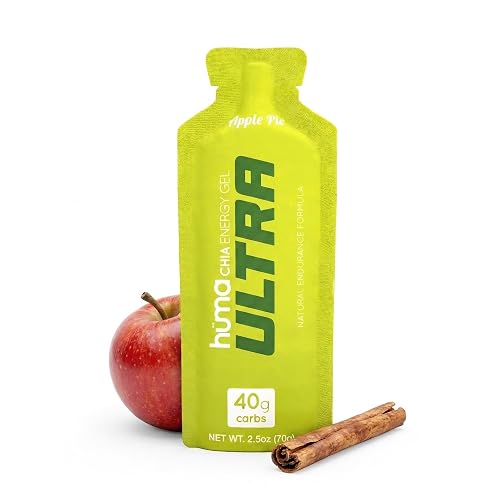
40g Carbs, Real Food, Ultra Endurance Formula Huma Ultra Energy Gel, Apple Pie, 8 Gels
For a broader look at how Huma options stack up against other brands, see 4 Best Huma Plus Energy Gels for Marathon Fueling (2026) and 4 Best Huma Chia Energy Gels for Marathon Fueling (2026). If you are still deciding when to take your gels during a race, When to Take Energy Gels: A Marathoner's Timing Guide walks through a practical schedule. Runners comparing across brands may also find Running Energy Gels Comparison: 7 Factors to Compare Before You Buy useful, and How Many Energy Gels for Half Marathon Runners Need: A Step-by-Step Plan helps translate carbohydrate targets into a pack count.
FAQ
Are Huma Plus energy gels good for marathon fueling?
They can be, especially for runners who want electrolytes and a plant-based, real-food ingredient list. Whether they suit you depends on your gut tolerance, your carbohydrate target and your taste preferences. Test them on long training runs before using them on race day.
Do Huma Plus gels contain electrolytes?
The “Plus” name and listing describe the product as a double-electrolyte formula. Check the packaging for the exact sodium and potassium amounts, since these can vary by flavor or production batch.
Do I need water when I take a Huma gel?
Most runners find that a few sips of water make the gel easier to swallow, particularly with the thicker, seed-based texture. Some runners take gels without water, but practicing with and without water on training runs will show you what your stomach prefers.
How many Huma gels should I take per hour?
There is no single answer. Many runners aim for a carbohydrate intake in the range of 30 to 60 grams per hour during longer efforts, depending on their experience and tolerance. Divide your target by the carbohydrate listed on the packet to estimate how many gels you need. A sports dietitian can help you refine this plan.
Are Huma gels suitable for people with sensitive stomachs?
The product is marketed as stomach-friendly, and many runners with sensitive digestion find chia-based, real-food gels easier to tolerate than heavy corn-syrup formulas. Individual responses vary, so introduce any new gel gradually and consult a physician if you have an ongoing digestive condition.
Can I use Huma gels for cycling or triathlon?
Yes. The listing positions the product for endurance activity generally, not only running. Triathletes and cyclists often use gels during long training sessions, so the same testing approach applies: practice in conditions similar to your event.
How should I store Huma energy gels?
Store unopened pouches in a cool, dry place away from direct sunlight, following the storage instructions printed on the packaging. Check expiration dates before racing and discard any pouch that looks damaged or smells off.
Is a variety pack a good idea for first-time buyers?
For many runners, yes. A variety pack lets you sample several flavors at once without committing to a large quantity of one type. Once you find flavors your stomach tolerates well, you can buy in larger amounts that match your training needs.
Final Verdict
Huma Plus energy gels earn their place for runners who want electrolyte support, a plant-based ingredient list and a gel designed with stomach comfort in mind. The thicker texture and moderate carbohydrate load are the main trade-offs, so they suit runners who test them in training and build their fueling plan around them. If your gut has rejected other gels, or you race in heat and sweat heavily, this is a sensible option to try during your long runs. For runners who need maximum carbohydrate density, or who simply prefer a thinner, sweeter gel, one of the alternatives above may be a better fit.
Related reading
- When to Take Energy Gels During Half Marathon: A Step-by-Step Timing Guide
- Top 8 Whole Foods Energy Gels Worth Considering in 2026
About Ethan Brooks
Ethan Brooks is part of our editorial team and reviews and edits our marathon & half-marathon guides, checking product details against manufacturer specifications and owner feedback.
