
 By Ethan Brooks
Updated November 2026
Science in Sport GO Isotonic Energy Gels are a carbohydrate gel designed for runners who want quick energy without a large volume of fluid. This review looks at the product in the 30-count, 2 fl oz gel format in lemon and lime, what its specifications suggest about performance, and who will likely find it useful. If you plan long training runs or a marathon and want a gel that sits easily with plain water, these are worth a close look. If you need caffeine, a very low-sugar option, or a gel designed for long, gut-sensitive efforts, you may want to compare other products first. A related read: Why Are Energy Gels So Expensive? Costs, Ingredients and Value (2026).

Science in Sport 22g Fast-Acting Liquid Carbohydrate Gel, Instant Energy & Endurance, Natural Flavors, Vegan Sports Nutrition SiS GO Isotonic Energy Gel, 22g Carbs, 2 Fl Oz Gels, Lemon & Lime, 30 Coun
Product Overview
The Science in Sport GO Isotonic Energy Gel is a liquid carbohydrate gel sold as a fast-acting energy source for running, cycling, and other endurance sport. The listing describes it as an isotonic formula, meaning its concentration is designed to be close to that of the body’s own fluids. The idea is that the gel can be absorbed quickly and taken with water, rather than needing a large drink to wash it down or dilute it.
The version under review is the Lemon and Lime flavor, sold as a 30-count box of single 2 fl oz gels. Each gel is listed as containing 22g of carbohydrates. The product is marketed as vegan and made with natural flavors, which makes it appealing to runners who avoid animal-derived ingredients or who prefer simpler flavoring.
Marathon runners typically plan carbohydrate intake in the range of roughly 30 to 60 grams per hour, depending on pace, body size, and gut tolerance. A 22g gel therefore covers a meaningful portion of that target in a single serving. For a broader view of how gels fit into a plan, see Science in Sport Isotonic Energy Gels: How to Use Them for Marathon Fueling, which walks through practical timing and dosing.
Key Features & Specifications
The table below lists only the specifications that appear in the product name or are consistently stated for this model. Confirm details against the current packaging, since formulations and labeling can change.
| Feature | Details |
|---|---|
| Product type | Liquid carbohydrate energy gel |
| Formula | Isotonic |
| Carbohydrates per gel | 22g |
| Gel size | 2 fl oz (single serving) |
| Count | 30 gels |
| Flavor | Lemon and Lime |
| Dietary positioning | Vegan, natural flavors |
| Intended use | Running, endurance sport, fast-acting energy |
The isotonic claim is the most distinctive specification. Many gels are formulated as hypertonic, meaning more concentrated than body fluids, and runners sometimes report stomach discomfort with them if they are not taken with enough water. An isotonic formula is intended to reduce that concern, though individual tolerance still varies.
Pros & Cons
Pros
- 22g of carbohydrates per gel matches a common target for each hourly fueling block.
- Isotonic formulation is designed to be taken with water and absorbed quickly.
- Vegan positioning and natural flavoring suit a wide range of diets.
- The 30-count box offers enough gels for a full training block or a large race fueling plan.
- Lemon and lime is a fairly neutral, citrus-forward flavor that many runners find easy to tolerate over long efforts.
Cons
- No caffeine is included, so runners who use caffeine for late-race alertness need a separate source or a different product.
- Gels are a single-format product, so they require carrying packaging and disposing of wrappers during a run.
- Owners often report that texture and sweetness are a personal preference, and some find long-term use of the same flavor tiring.
- As with any high-carbohydrate gel, digestive tolerance varies, and gels should be tested during training before race day.
Performance Analysis
The performance case for this product rests on three specifications: the 22g carbohydrate dose, the isotonic formula, and the 2 fl oz serving size. Together they describe a gel designed for convenience and quick uptake rather than maximum concentration.
The 22g dose is useful for pacing your intake. If your plan calls for 60g of carbohydrates per hour, you would take roughly one gel every 20 to 25 minutes, or pair a gel with a sports drink to fill the gap. If your target is closer to 30g per hour, one gel per 45 minutes may be enough. Your own sweat rate, pace, and stomach tolerance should guide the final schedule.
The isotonic claim matters most in practice when you are taking gels with water rather than a sports drink. Owners of isotonic gels commonly describe them as easier to take on the move than thicker, more concentrated options, because less water is needed to clear the gel. That said, this benefit depends on how much water you drink with each gel, and runners should not assume that isotonic always means stomach-friendly for everyone.
Lemon and lime is a citrus profile, and many runners find citrus flavors refreshing during hard efforts, when sweeter gels can start to feel cloying. Flavor is subjective, so it is worth trying a single gel on a training run before committing to a full box.
For anyone building a complete race plan, it helps to compare how many gels you will need across the distance. How Many Energy Gels for Half Marathon Runners Need: A Step-by-Step Plan and How Many Energy Gels for 10K? A Practical Plan for Race Day offer useful planning frameworks, and When to Take Energy Gels: A Marathoner's Timing Guide covers timing in more detail.
Who Should Buy This Product?
This product is a good fit for runners who want a straightforward, carbohydrate-focused gel that works with plain water. It suits marathoners and half-marathoners who plan to take gels on a regular schedule during long runs, and it is a reasonable choice for athletes who prefer vegan products with natural flavoring. Worth reading next: Are Keto Friendly Energy Gels Worth It? A Runner's Guide.
It is also useful for runners who want a larger count per box to cover a full training block without repeated reordering. If you already know that a citrus-flavored, isotonic gel agrees with your stomach, the 30-count format is practical for regular use.
You should probably skip this product if you specifically need caffeine in your gel, if you prefer a very low-sugar or low-carb option, or if you have a history of gut problems with carbohydrate gels in general. In those cases, a different formula may serve you better. Top 8 Best Low Carb Energy Gels for Runners Compared (2026) covers alternatives built for those needs. For a deeper look, Do Energy Gels with Protein Work for Runners? What to Know covers this in detail.
Buying Guide
Before buying any energy gel, decide what you need from it. The main factors to consider are carbohydrate content per gel, whether you need caffeine, formula type (isotonic, hypertonic, or a gel designed for slow release), flavor, and whether the product fits your dietary requirements. A practical approach is to write down your target carbohydrate intake per hour, divide by the carbs per gel, and use that number to estimate how many gels you need for each long run and race.
Consider how you will carry gels during a run. Some runners prefer a small flask or a race belt with gel pockets. Others take a gel from a pocket of their shorts or a running vest. Whichever you choose, practice opening the packet while moving, since a gel that is hard to open can be a problem at race pace.
Test any new gel during training. Take it at the same point in your long run where you plan to use it on race day, and note how your stomach feels over the following 30 minutes. Never try a new product for the first time on race morning.
If you are comparing options, these well-known alternatives are often considered alongside this product:
- Science in Sport Energy Gel Pack (Tropical Flavor, pack of 6): A different flavor and pack size from the same brand, useful if you prefer a tropical profile or want a smaller starting quantity before committing to a 30-count box.

Science in Sport Energy Gel Pack, SIS Isotonic Energy Gel, 22g Fast Acting Carbs, Performance & Endurance Gels, Tropical Flavor – 2 Fl Oz (Pack of 6)
- Science in Sport Isotonic Formula Energy Gel with Caffeine (Citrus, 30 count): The caffeinated version of the GO line, a good option if you use caffeine for late-race focus and want the same 22g carbohydrate dose.
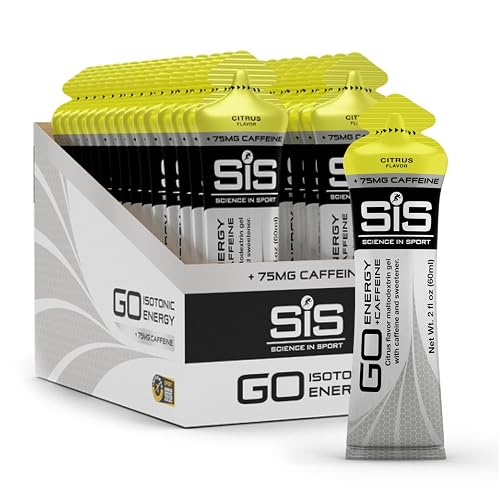
Science in Sport Isotonic Formula Energy Gel for Elite Athletes with 22g Carbs & 75mg Caffeine, Sports Nutrition SiS GO Energy + Caffeine Gel, 22g Carbs, 75mg Caffeine, Citrus, 30 Count
For runners weighing a broader set of products, 5 Best Science in Sport GO Isotonic Energy Gels: Expert Picks Compared and Running Energy Gels Comparison: 7 Factors to Compare Before You Buy go deeper into selection criteria.
FAQ
Are Science in Sport GO Isotonic Energy Gels good for marathon fueling?
They can be, especially if you want a 22g carbohydrate gel that you can take with water. Their usefulness depends on your planned intake per hour and how your stomach handles isotonic gels during training.
Do these gels contain caffeine?
The Lemon and Lime GO Isotonic Energy Gel covered in this review is not positioned as a caffeinated product. If you want caffeine, look for the separate caffeinated version of the line and check the label before you buy. For another angle, check out SiS Energy Gels vs Maurten Gels: Which Should You Choose? (sis Energy Gels Uk).
Are they vegan?
The product is marketed as vegan and made with natural flavors. Always check the current packaging for the most accurate ingredient and allergen information.
How many gels should I take during a marathon?
Many runners plan gels based on carbohydrate targets of roughly 30 to 60 grams per hour. Divide your target by 22 to estimate how many gels you need per hour, then adjust for your own experience and tolerance.
Do I need to drink a lot of water with an isotonic gel?
Isotonic gels are designed to need less water than concentrated gels, but you still need to drink enough to stay hydrated. Test how much water you need during training, since individual requirements differ. A related read: Do SiS GO Isotonic Energy Gels Have Caffeine? Full Answer and Guide.
Can I use these gels for cycling or triathlon?
Yes, the product is marketed for endurance sport in general, not only running. The same timing and training principles apply, though riders and triathletes should test the gel while cycling to confirm it fits their routine.
How should I store energy gels?
Keep them in a cool, dry place away from direct heat, and check the best-before date on the packaging. Heat can change the texture of gels, so avoid leaving them in a hot car for long periods.
Should I consult a professional before using energy gels?
If you have diabetes, a history of digestive disorders, or any medical condition that affects how you handle sugar or fluid, consult a doctor, dietitian, or sports nutritionist before adding gels to your routine. We also found Hilltop Honey Energy Gels: A Runner's Guide to Using Them on Race Day useful on this point.
Final Verdict
The Science in Sport GO Isotonic Energy Gel in Lemon and Lime is a sensible, carbohydrate-focused option for runners who want a vegan, isotonic gel that works with water and offers 22g of carbohydrates per serving. Its 30-count format is practical for regular training and race fueling. The main limitations are the absence of caffeine and the usual variability in gut tolerance that comes with any carbohydrate gel. Test it on your long runs before race day, and it can become a dependable part of your fueling plan.
About Ethan Brooks
Ethan Brooks is part of our editorial team and reviews and edits our marathon & half-marathon guides, checking product details against manufacturer specifications and owner feedback.
