
 By Ethan Brooks
Updated November 2026
Choosing sis energy gels for cycling comes down to a few practical questions: how many carbohydrates you need per hour, whether you want caffeine, how easily your stomach handles concentrated gel, and whether you prefer a single-source or dual-source formula. This guide compares five SiS products across those criteria. The selection method is research-based, drawing on published product specifications, brand reputation and common patterns in owner feedback. We have not tested these products ourselves, so treat the notes below as a guide to matching a gel to your riding, not as a verdict from hands-on use.
Our top picks at a glance
- 1
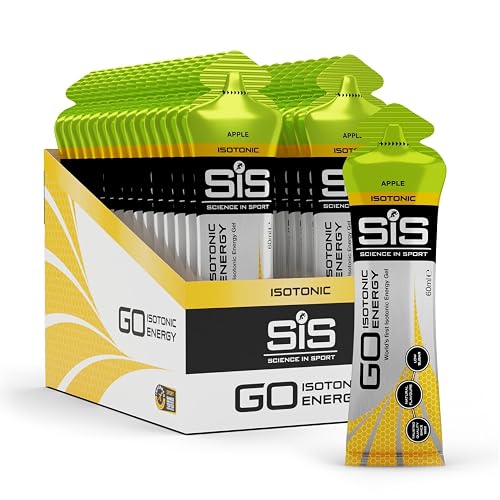 TOP CHOICEBest overallSiS GO Isotonic Energy Gel, 22g Carbs, Apple, 30 CountView on Amazon
- 2
 TOP CHOICEBest for long rides over 90 minutesSiS BETA Fuel Dual-Source Isotonic Energy Gel, Neutral, 6-PackView on Amazon
- 3
 TOP CHOICEBest for variety and electrolytesSiS Science In Sport Running Energy Gels, Full of Electrolytes, Orange, 14 x 60mlView on Amazon
- 4
 Best for a caffeine boostSiS Science In Sport Isotonic Formula Energy Gel with Caffeine, Berry, 30 CountView on Amazon
- 5
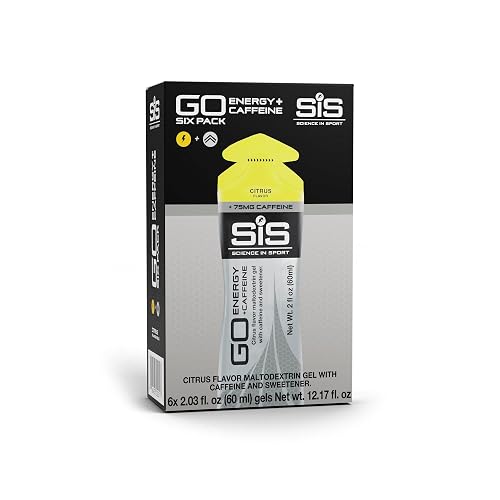 Best budget pickSiS GO Energy + Caffeine Gel, 22g Carbs, 75mg Caffeine, Citrus, 6 CountView on Amazon
Our Top Picks
Quick Comparison
| Product | Best for | Key feature |
|---|---|---|
| Science in Sport 22g Fast-Acting Liquid Carbohydrate Gel (SiS GO Isotonic) | Everyday rides under 90 minutes | 22g carbohydrates per gel in a 30-count pack |
| Science in Sport Fast-Absorbing Carbohydrate Energy (SiS BETA Fuel) | Rides over 90 minutes | 40g carbohydrates with a 1:0.8 maltodextrin to fructose ratio |
| SiS Science In Sport Running Energy Gels (Variety Pack) | Riders who want flavor variety and electrolytes | Electrolyte-containing gels in a 14-gel mixed pack |
| Science in Sport Isotonic Formula Energy Gel with Caffeine (SiS GO Energy + Caffeine) | Efforts where you want a caffeine lift | 22g carbohydrates and 75mg caffeine per gel |
| SiS GO Energy + Caffeine Gel, Citrus | Riders wanting caffeine in a smaller multipack | 22g carbohydrates and 75mg caffeine per gel in a 6-count pack |
SiS GO Isotonic Energy Gel, 22g Carbs, Apple, 30 Count
Science in Sport 22g Fast-Acting Liquid Carbohydrate Gel, Instant Energy & Endurance, Natural Flavors, Vegan Sports Nutrition SiS GO Isotonic Energy Gel, 22g Carbs, 2 Fl Oz Gels, Apple, 30 Count
Best for: Everyday cycling and moderate-length rides where you want a reliable, mid-range carb dose.
This is a good fit for riders who train several times a week and want a gel that is easy to carry in a jersey pocket and easy to take on the bike. Its 22g carbohydrate dose is a common starting point for a single gel in a steady ride.
Key specs
- 22g fast-acting liquid carbohydrate per gel
- Apple flavor
- 30-count pack
- Vegan formulation, per the listing
Pros
- Large count makes per-ride costs manageable for regular training
- Moderate carb dose suits a wide range of riders
- Mild, familiar flavor that many riders find easy to tolerate
Cons
- A single carb source may not be enough for very long efforts
- Apple flavor is not for everyone, and owners often note taste preference is personal
Bottom line: A sensible default for riders who want one dependable gel for regular training rides.
SiS BETA Fuel Dual-Source Isotonic Energy Gel, Neutral, 6-Pack
Science in Sport Fast-Absorbing Carbohydrate Energy, 1:0.8 Maltodextrin to Fructose Ratio, 40g Carbs, Exercise Over 90 Min SiS BETA Fuel Dual-Source Isotonic Energy Gel, Neutral, 6-Pack
Best for: Rides longer than 90 minutes where you need a higher carbohydrate load per hour.
Riders planning long endurance outings or race efforts often look for a dual-source formula. The maltodextrin-to-fructose blend is designed to be absorbed through more than one transporter in the gut, which is the rationale behind multiple-source products. Do SiS Energy Gels with Electrolytes Work? A Runner's Guide goes further into this.
Key specs
- 40g carbohydrates per gel
- 1:0.8 maltodextrin to fructose ratio, per the listing
- Neutral flavor
- 6-pack
Pros
- Higher carb dose reduces the number of gels needed per hour
- Dual-source formula is well suited to sustained efforts
- Neutral flavor pairs with sports drinks or water without clashing
Cons
- Larger carb dose can be harder on sensitive stomachs, and owners often advise trying it in training first
- Smaller 6-pack means more frequent reordering for heavy training
Bottom line: The right choice for riders whose long efforts demand more carbohydrate per hour than a standard gel provides.
SiS Science In Sport Running Energy Gels, Full of Electrolytes, Orange, 14 x 60ml
SiS Science In Sport Running Energy Gels, Full of Electrolytes, Good For Hydration, Flavor Variety Pack, Vegan, Gluten & Dairy Free, 14 x 60ml, Orange
Best for: Riders who want flavor variety and electrolyte content alongside their carbohydrate intake.
This pack suits riders who sweat heavily or ride in warm conditions and want electrolytes included. Because it is a mixed variety of 14 gels, it also works well for trying different flavors before committing to a larger pack.
Key specs
- 14 gels at 60ml each
- Electrolytes included, per the listing
- Vegan, gluten-free and dairy-free, per the listing
- Orange flavor listed in the product name
Pros
- Electrolyte content helps riders who lose a lot of salt in hot weather
- Variety pack lets you compare flavors
- Free of common allergens according to the listing
Cons
- Pack is aimed at running as much as cycling, so the format may not match every bike setup
- Electrolyte-heavy gels may be unnecessary for cool, short rides
Bottom line: A practical option for hot-weather riders or anyone who wants to sample several flavors before buying in bulk.
SiS Science In Sport Isotonic Formula Energy Gel with Caffeine, Berry, 30 Count
Science in Sport Isotonic Formula Energy Gel for Elite Athletes with 22g Carbs & 75mg Caffeine, Sports Nutrition SiS GO Energy + Caffeine Gel, 22g Carbs, 75mg Caffeine, Berry, 30 Count
Best for: Efforts where a caffeine lift is part of your fueling plan, such as hard climbs or late-race surges.
Caffeine can improve perceived effort for some riders, but tolerance varies widely. If you are sensitive to stimulants, check with a healthcare professional before using caffeinated gels, especially if you have a heart condition or take medication.
Key specs
- 22g carbohydrates per gel
- 75mg caffeine per gel
- Berry flavor
- 30-count pack
Pros
- Caffeine and carbohydrate in one gel simplifies race-day fueling
- Large pack suits regular use
- Berry flavor is a common favorite among riders who like fruit profiles
Cons
- Caffeine at this dose is too much for riders who are sensitive or who ride late in the day
- Owners sometimes report the gel is thick, so drinking water with it helps
Bottom line: A good match for riders who already know how their body responds to 75mg of caffeine and want it bundled with carbohydrate.
SiS GO Energy + Caffeine Gel, 22g Carbs, 75mg Caffeine, Citrus, 6 Count
SiS GO Energy + Caffeine Gel, 22g Carbs, 75mg Caffeine, Citrus, 6 Count
Best for: Riders who want the caffeine version in a smaller pack to test their tolerance before buying in bulk.
This is the same caffeine-and-carbohydrate formula in a smaller multipack, which makes it useful for trial runs in training before committing to a 30-count box.
Key specs
- 22g carbohydrates per gel
- 75mg caffeine per gel
- Citrus flavor
- 6-count pack
Pros
- Smaller pack is a low-commitment way to test tolerance
- Citrus flavor offers a lighter alternative to berry or apple
- Same caffeine dose as the larger pack, so results carry over
Cons
- Per-gel value is lower than the 30-count option for frequent riders
- Caffeine dose is fixed, which may be too high for some riders
Bottom line: The most sensible starting point for riders trying caffeinated gels for the first time.
Buying Guide
Carbohydrate dose per gel
Gels in this range typically provide between roughly 22g and 40g of carbohydrate. Many riders aim for a total intake that matches their effort length and body size. Read the label for grams per gel, then count how many gels fit your planned hourly intake.
Good picks for this: SiS GO Isotonic Energy Gel, SiS BETA Fuel Dual-Source Isotonic Energy Gel
Single-source versus dual-source formulas
Single-source gels rely mainly on glucose or maltodextrin. Dual-source gels combine carbohydrate types, such as maltodextrin and fructose, which some research suggests may allow higher intake rates. Check the ingredient list and ratio before buying.
Good picks for this: SiS BETA Fuel Dual-Source Isotonic Energy Gel, SiS GO Isotonic Energy Gel
Caffeine content
Caffeinated gels usually list milligrams per serving. Caffeine tolerance varies, and high doses can cause jitteriness or sleep disruption. If you are unsure, start with a smaller dose in training. Anyone with a medical condition should ask a doctor before adding caffeine.
Good picks for this: SiS GO Energy + Caffeine Gel, Citrus, SiS Energy + Caffeine Gel, Berry
Electrolyte content
Electrolytes such as sodium help replace salts lost in sweat. They matter most in hot weather or on long rides. Cool-weather riders may not need them, so match this factor to your conditions.
Good picks for this: SiS Running Energy Gels Variety Pack
Flavor and texture
Flavor preference is personal, and gels that taste fine on the bench can feel cloying mid-ride. A variety pack lets you find your favorite before buying in bulk. Texture also matters: thicker gels may need water to wash down comfortably.
Good picks for this: SiS Running Energy Gels Variety Pack, SiS GO Isotonic Energy Gel
Pack size and value
Larger counts are generally more economical per gel, but only if you use them before the best-by date. Smaller packs suit trial runs or occasional riders. Check expiration information on the listing.
Good picks for this: SiS GO Isotonic Energy Gel, SiS GO Energy + Caffeine Gel, Citrus
Stomach tolerance and trial
Concentrated gels can cause cramping or nausea for some riders, especially at higher doses. Test any new gel during training rides at race-like intensity before using it on race day. Consult a sports dietitian or physician if you have digestive issues.
Good picks for this: SiS GO Isotonic Energy Gel, SiS GO Energy + Caffeine Gel, Citrus
FAQ
How many energy gels do I need per hour when cycling?
Many sports nutrition guidelines suggest roughly 30 to 60 grams of carbohydrate per hour for efforts longer than an hour, with higher amounts for well-trained riders on long events. One gel at 22g may cover part of that, so you might need two per hour. Check your own plan with a sports dietitian.
Can I use running gels for cycling?
Yes. The fueling needs are similar, and many riders use the same gels for both. The main difference is practical: a bike requires one-handed opening and easy access from a jersey pocket.
Do I need caffeine gels for a long bike ride?
No. Caffeine is optional. Some riders use it for a late-race boost, but it is not required for endurance. Only use caffeine if you have tested it in training and know how your body responds.
When should I take a gel during a ride?
Many riders start fueling after the first 45 to 60 minutes and then take gels at regular intervals, often every 20 to 30 minutes. Practice this schedule in training so your stomach adapts.
Should I drink water with energy gels?
Usually, yes. Water helps the gel move through the stomach and reduces the risk of stickiness or cramping. Pair gels with a sports drink or plain water according to your plan and your sweat rate.
How long do energy gels last?
Check the best-by date printed on each packet. Store gels in a cool, dry place, and avoid leaving them in a hot car or pocket for long periods, since heat can change texture.
Conclusion
For most riders, the SiS GO Isotonic Energy Gel is a sensible everyday choice, while the SiS BETA Fuel Dual-Source Isotonic Energy Gel suits longer efforts that demand more carbohydrate per hour. Riders in hot conditions may prefer the electrolyte-containing variety pack, and those who want caffeine should start with the smaller citrus multipack to check their tolerance. Whichever you choose, test it in training before race day, and speak with a healthcare professional if you have a medical condition or take medication.
Sources
- Research summaries on carbohydrate intake and endurance exercise performance (nih.gov)
- Guidance on caffeine in foods and dietary supplements, including typical intake considerations (fda.gov)
- Sports nutrition guidance from the Academy of Nutrition and Dietetics on fueling endurance activity
Related reading
- Top 7 Best Energy Gels While Cyclings for Endurance Rides
- SiS GO Energy Gels Review: Features and Performance
- SiS GO Energy + Caffeine Gel Review: Sis Energy Gels Caffeine Pros and Cons
About Ethan Brooks
Ethan Brooks is part of our editorial team and reviews and edits our marathon & half-marathon guides, checking product details against manufacturer specifications and owner feedback.
