
 By Ethan Brooks
Updated November 2026
Slow release energy gels are built to deliver carbohydrates over a longer window than standard gels, which can help runners keep fuel steady during long training runs and marathons. This list covers seven options that differ in carbohydrate source, caffeine content, electrolytes and flavor. The selection method was research-based: we looked at published ingredient information, how each brand positions its formula, and patterns that owners commonly report about taste, texture and digestive comfort. Nothing here reflects personal testing.
Our top picks at a glance
- 1
 TOP CHOICEBest overallHoney Stinger Organic Fruit Smoothie Energy GelView on Amazon
- 2
 TOP CHOICEBest for sensitive stomachsHuma Chia Energy GelView on Amazon
- 3
 TOP CHOICEBest classic optionGU Energy Original Energy GelsView on Amazon
- 4
 Best for a caffeine boostHoney Stinger Organic Strawberry Kiwi Energy GelView on Amazon
- 5
 Best for avoiding a sugar crashUCAN Energy Gel Variety PackView on Amazon
- 6
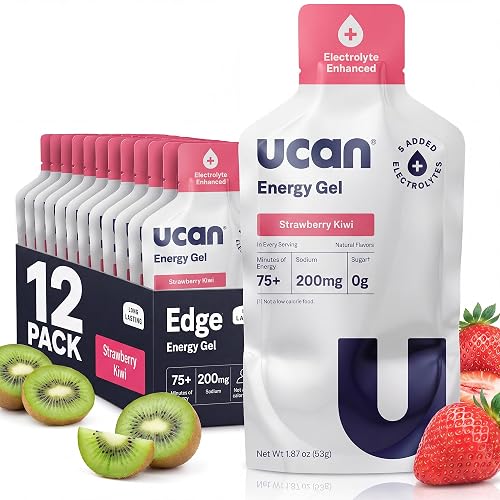 Best for hot weather and heavy sweatersUCAN Energy Gel + ElectrolytesView on Amazon
- 7
 Best for electrolyte supportHuma Plus Chia Energy GelView on Amazon
Our Top Picks
The table below summarizes how the seven products compare. Each product gets its own section afterward with specs, strengths and limitations.
| Product | Best for | Key feature |
|---|---|---|
| Honey Stinger Organic Fruit Smoothie Energy Gel | Steady fueling on long runs | Organic fruit-based formula, caffeine free |
| Huma Chia Energy Gel | Sensitive stomachs | Real-food ingredients including chia |
| GU Energy Original Energy Gels | Runners who want a familiar gel | Widely available classic formula |
| Honey Stinger Organic Strawberry Kiwi Energy Gel | A caffeine boost late in a race | Caffeinated, gluten free |
| UCAN Energy Gel Variety Pack | Avoiding a sugar crash | Sugar free, slow-digesting carbohydrate base |
| UCAN Energy Gel + Electrolytes | Hot weather and heavy sweat losses | 200 mg sodium plus five electrolytes |
| Huma Plus Chia Energy Gel | Runners who need electrolytes with real-food gels | Double electrolytes with chia |
Honey Stinger Organic Fruit Smoothie Energy Gel
Honey Stinger, Organic Fruit Smoothie Energy Gel, Gluten Free & Caffeine Free, for Exercise, Running and Performance, Sports Nutrition for Home & Gym, Pre and Mid Workout, 12 Pack, 13.2 Ounce
Best for: Steady fueling on long runs
This is a good fit for runners who want an organic, caffeine-free gel that tastes like a fruit smoothie and works for pre-run and mid-run use. It suits people who prefer to add caffeine separately or avoid it entirely.
Key specs
- Pack: 12 pack, 13.2 ounces total
- Labeled organic, gluten free and caffeine free
- Designed for exercise, running and performance use
Pros
- Caffeine free, so easy to combine with a separate caffeine source
- Organic fruit-based flavor
- Large 12-pack suits a full training block
Cons
- Thicker texture than some runners prefer when chilled
- No electrolyte content listed in the product name
Bottom line: A strong everyday choice for runners who want a clean, caffeine-free gel for training and race prep.
Huma Chia Energy Gel
Real Food, Stomach Friendly Energy Gels Huma Chia Energy Gel, Variety, 12 Gels
Best for: Sensitive stomachs
This gel is aimed at runners who have trouble with conventional gels and want a simpler, real-food ingredient list. It is a practical option for people who experience gut discomfort during longer efforts.
Key specs
- Variety pack of 12 gels
- Real-food formula featuring chia seeds
- Marketed as stomach friendly
Pros
- Positioned around digestive comfort
- Variety of flavors reduces flavor fatigue
- Simple ingredient focus appeals to clean-label buyers
Cons
- Texture is thicker than many traditional gels
- Requires water intake to wash down comfortably
Bottom line: Worth trying if standard gels cause stomach trouble; test it on a training run before race day.
GU Energy Original Energy Gels
GU Energy, Original Energy Gels, Tri-Berry – 8 Count
Best for: Runners who want a familiar gel
GU is one of the most established names in endurance gels. This tri-berry option suits runners who already know how their stomach handles the brand and want a predictable product.
Key specs
- Pack: 8 count
- Tri-berry flavor
- Original formula from a long-running endurance brand
Pros
- Well-known brand with broad familiarity among runners
- Consistent texture gel by gel
- Easy to find and to carry in a race belt
Cons
- Smaller pack size than some alternatives
- Carbohydrate profile is more fast-acting than truly slow release
Bottom line: A dependable pick for runners who value a proven classic over a specialty formula.
Honey Stinger Organic Strawberry Kiwi Energy Gel
Honey Stinger, Organic Strawberry Kiwi Energy Gel, Caffeinated & Gluten Free, for Exercise, Running and Performance, Sports Nutrition for Home & Gym, Pre and Mid Workout, 12 Pack, 13.2 Ounce
Best for: A caffeine boost late in a race
This is the caffeinated version of the Honey Stinger organic line. It suits runners who want a lift in the final miles and are comfortable with caffeine in their fueling plan.
Key specs
- Pack: 12 pack, 13.2 ounces total
- Caffeinated and gluten free
- Organic strawberry kiwi flavor
Pros
- Caffeine option within the same familiar brand
- Fruit flavor many runners find easy to take
- Gluten free labeling
Cons
- Caffeine can cause jitteriness or GI upset for some runners
- Not appropriate for those who avoid caffeine
Bottom line: Pick this if you use caffeine in training and want it on race day; keep total intake modest and practice it first.
UCAN Energy Gel Variety Pack
Easy on the Stomach | No Sugar Crash | Ideal for Running, Cycling and other Endurance Training | Vegan Gluten Free Non-GMO UCAN Energy Gel | Variety Pack | 4 Flavors | Sugar Free | 12 Pack
Best for: Avoiding a sugar crash
UCAN positions its gels around a slower-digesting carbohydrate base rather than simple sugars. This variety pack suits runners who have experienced energy dips after conventional gels.
Key specs
- Variety pack of 12 gels across four flavors
- Sugar free, vegan, gluten free and non-GMO per the listing
- Designed for running, cycling and endurance training
Pros
- Sugar free formulation
- Four flavors reduce palate fatigue
- Marketed specifically around avoiding crashes
Cons
- Some runners find the flavor less sweet than traditional gels
- Slower carbohydrate delivery may not suit short, hard efforts
Bottom line: A good match for steady-pace long runners who want to avoid spikes and crashes.
UCAN Energy Gel + Electrolytes
200mg Sodium | 5 essential electrolytes | No Gut Issues, No Crash | For Running, Cycling and Endurance Training | Non-GMO UCAN Energy Gel + Electrolytes | Strawberry Kiwi | Sugar Free | 12 Pack
Best for: Hot weather and heavy sweat losses
This version adds sodium and several electrolytes to the slow-release base. It fits runners training in heat or humidity, or those who know they are heavy sweaters.
Key specs
- 200 mg sodium per the listing
- Five essential electrolytes
- Strawberry kiwi flavor, sugar free, 12 pack
Pros
- Built-in electrolytes reduce the need for separate salt tablets
- Sugar free with a slow-release carbohydrate base
- Useful for hot-weather training blocks
Cons
- Sodium content may be more than some runners need
- Requires adequate fluid intake to be used well
Bottom line: Best for runners who sweat heavily or race in warm conditions and want electrolytes in the same gel.
Huma Plus Chia Energy Gel
Double Electrolytes, Real Food, Stomach Friendly Energy Gels Huma Plus – Chia Energy Gel, Variety, 12 Gels
Best for: Runners who need electrolytes with real-food gels
This Huma Plus variety combines the chia-based real-food approach with added electrolytes. It suits runners who want both stomach-friendly fuel and mineral replacement.
Key specs
- Variety pack of 12 gels
- Double electrolytes per the listing
- Real-food, chia-based formula
Pros
- Electrolytes plus a real-food ingredient focus
- Variety pack suits rotation across long runs
- Positioned for gentle digestion
Cons
- Thick texture can be a challenge without water
- Electrolyte level may not match heavy-sweat needs
Bottom line: A balanced option for runners who want electrolytes and a gentler gel without going fully sugar free.
Buying Guide
Carbohydrate source and release speed
Slow release gels typically use multiple carbohydrate types or slower-digesting sources, while standard gels rely more on glucose and fructose. Check the ingredient list and look for language about sustained release. A gel that delivers energy steadily is usually better for long, even-paced efforts than for short, hard intervals.
Good picks for this: UCAN Energy Gel Variety Pack, Honey Stinger Organic Fruit Smoothie Energy Gel
Caffeine content
Caffeine can improve perceived effort in the later stages of a race, but it is not right for everyone. Check the label for milligrams per serving, and avoid stacking caffeine from several sources. If you are not used to caffeine, practice with it during training before using it on race day.
Good picks for this: Honey Stinger Organic Strawberry Kiwi Energy Gel, Honey Stinger Organic Fruit Smoothie Energy Gel
Electrolyte content
If you sweat heavily or train in heat, sodium and other electrolytes matter. Look at milligrams of sodium per gel and whether the formula includes potassium or magnesium. Keep in mind that your total needs depend on sweat rate, climate and race length. Consider consulting a sports dietitian or physician if you have a medical condition that affects electrolyte balance.
Good picks for this: UCAN Energy Gel + Electrolytes, Huma Plus Chia Energy Gel
Digestive comfort and ingredients
Gut problems are one of the most common reasons runners stop using gels. Look for simpler ingredient lists, avoid products you have not trialed, and pay attention to fiber and fat content. Real-food and chia-based formulas are often positioned as gentler, though individual tolerance varies widely.
Good picks for this: Huma Chia Energy Gel, Huma Plus Chia Energy Gel
Texture and how you will carry it
Some gels are thick and need water to swallow comfortably, while others are looser. Consider how you will carry them: in a race belt, a pocket, or a handheld. Thicker gels may be harder to take on the move without water, so practice with your chosen carrying method.
Good picks for this: GU Energy Original Energy Gels, Huma Chia Energy Gel
Flavor variety and taste fatigue
Flavor fatigue is a real problem in long events. A variety pack lets you rotate flavors across a training block. Test flavors in training, since a flavor that tastes good at mile two can become unappealing at mile twenty. Keep a backup flavor for race day.
Good picks for this: UCAN Energy Gel Variety Pack, Huma Chia Energy Gel
Pack size and training volume
Estimate how many gels you need per long run and across a full training block. A 12-count pack covers several weeks of longer sessions for many runners, while an 8-count pack may suit shorter plans or a trial. Buying in larger quantities can make sense if you have settled on a product, but check expiration dates before committing.
Good picks for this: Honey Stinger Organic Fruit Smoothie Energy Gel, GU Energy Original Energy Gels
FAQ
What makes an energy gel slow release?
Slow release gels use carbohydrate sources that digest more gradually than pure glucose or simple sugars, often combining several carbohydrate types or using slower-digesting bases. The goal is a steadier supply of fuel over a longer period.
Do slow release gels replace the need for other fueling?
No. Gels are one part of a fueling plan that also includes pre-run meals, hydration and, for long events, sometimes solid food. Your total carbohydrate and fluid needs depend on the duration and intensity of your run.
Should I take caffeine gels during a marathon?
Caffeine works differently for each person. Many runners use it in the later stages of a race, but it can cause jitters, sleep problems or stomach upset. Practice with caffeine in training before using it on race day, and consult a physician if you have a heart condition or take medications that interact with caffeine.
How do I know if a gel is causing stomach problems?
Common signs include bloating, cramping, nausea or urgency. Try one new gel at a time on a training run, take it with the same amount of water you plan to use on race day, and note how you feel. If symptoms persist, speak with a sports dietitian or physician.
Do I need electrolytes in my gel?
It depends on how much you sweat and the conditions you run in. Heavy sweaters and those training in heat often benefit from sodium. Many runners get enough from food and fluids, but if you notice salt crusting on clothing or cramping, electrolyte gels may help.
How should I store energy gels?
Keep gels in a cool, dry place away from direct sun and heat. Heat can change texture and taste. Check the expiration date printed on the package before each long run.
Can I use these gels if I follow a low-carb or sugar-free diet?
Sugar-free options, such as some UCAN formulas, may suit those avoiding added sugars, but they still provide carbohydrates for fuel. Read labels carefully, and speak with a registered dietitian if you have specific dietary restrictions.
Conclusion
For most long-run fueling, the Honey Stinger Organic Fruit Smoothie Energy Gel is a practical all-around choice. Runners with sensitive stomachs may prefer the Huma Chia Energy Gel, while those who want a familiar classic can look at GU Energy Original. If caffeine is part of your plan, the Honey Stinger Organic Strawberry Kiwi Energy Gel offers that option. For sugar-free, steady-release fueling, the UCAN Energy Gel Variety Pack and the UCAN Energy Gel + Electrolytes are worth comparing, especially in heat. Huma Plus Chia Energy Gel covers those who want electrolytes in a real-food format. Whatever you choose, test it in training before race day.
Sources
- Background research on carbohydrate intake, hydration and sports nutrition for endurance exercise (nih.gov)
- Position guidance from the American College of Sports Medicine on nutrition and fluid needs for athletes (acsm.org)
- Labeling and ingredient information standards that apply to packaged sports nutrition products (fda.gov)
Related reading
- When to Take Energy Gels: A Marathoner's Timing Guide
- When to Take Energy Gels During Half Marathon: A Step-by-Step Timing Guide
- Top 8 Whole Foods Energy Gels Worth Considering in 2026
- Top 8 Best Low Carb Energy Gels for Runners Compared (2026)
About Ethan Brooks
Ethan Brooks is part of our editorial team and reviews and edits our marathon & half-marathon guides, checking product details against manufacturer specifications and owner feedback.
