 By Ethan Brooks
Updated November 2026
Most energy gels are built around one thing: simple carbohydrates, usually maltodextrin and fructose, packed into a small, easy-to-swallow pouch. Many also add sodium and potassium, some caffeine, and a few thickeners and flavorings. What’s in energy gels varies by brand, but the core purpose is the same: deliver about 20 to 25 grams of quickly absorbed carbohydrate in a form you can eat while running.
Why the Ingredients Are Built This Way
Your muscles and brain rely heavily on glucose during hard efforts, and your stored glycogen runs low after roughly 90 minutes of running at race pace. A gel is a concentrated way to top up that supply without needing to chew. Maltodextrin is a glucose polymer that digests quickly. Fructose uses a different intestinal transport route than glucose, so combining the two can help you absorb more total carbohydrate per hour than either sugar alone.
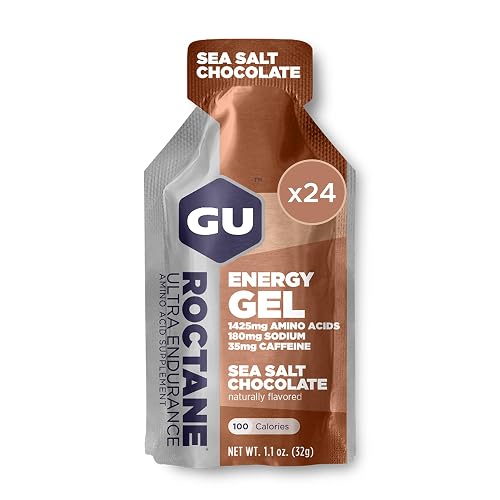
Shopping for one? See our guide: GU Roctane Energy Gels Review: Pros, Cons and Who It's For.
The gel base also needs to be thick enough to hold its shape in the packet and thin enough to squeeze out. That is why you’ll see thickeners such as xanthan gum or pectin on the label. Water content tends to be low, which is why most gels should be taken with water to avoid stomach upset.
The Main Components and What They Do
- Carbohydrates (typically 20 to 30 g per pouch): The fuel. Look for a mix of maltodextrin and fructose or sucrose.
- Sodium (often 100 to 250 mg per pouch): Replaces what you lose in sweat and helps the body hold onto fluid.
- Potassium: Present in some formulas; it supports muscle function alongside sodium.
- Caffeine (in some versions): Often 25 to 100 mg per pouch. Useful for late-race alertness, but it’s a stimulant, so check your tolerance before race day.
- Thickeners, flavorings and preservatives: Control texture, taste and shelf life. Effects vary, and sensitive stomachs sometimes react to specific additives.
Manufacturers publish the exact amounts on their nutrition labels, and those numbers are the most reliable way to compare products.
How to Choose and Use Gels Well
Not every gel suits every runner. The right choice depends on how much carbohydrate you need per hour, whether you tolerate caffeine, and whether your stomach handles thick, sweet textures during exertion.
- Read the label and note carbohydrates and sodium per pouch.
- Test two or three gels on long training runs, never for the first time on race day.
- Aim for roughly 30 to 60 grams of carbohydrate per hour once you’re past the first hour, adjusting to your stomach.
- Take each gel with a few sips of water, and follow the packet’s advice on how much fluid to pair with it.
- If you’re sensitive to caffeine, save caffeinated gels for the final third of the race or skip them entirely.
If you have diabetes, a digestive condition, or a history of gut problems during running, talk with a doctor or sports dietitian before building a fueling plan around gels.
What We’d Use
For a straightforward, widely available option with a mix of carbohydrate types and sodium, look for a classic maltodextrin-fructose gel such as View on Amazon.
If you want a caffeinated option for late-race energy, a gel with a defined caffeine dose is worth a look: View on Amazon.
For more on specific brands and timing, see What Is in GU Energy Gels: Ingredients and What They Do for Runners and When to Take Energy Gels: A Marathoner's Timing Guide. If you’re concerned about dental wear from frequent sugar intake, Are Energy Gels Bad for Your Teeth? What Runners Need to Know covers that directly.
FAQ
Do energy gels contain caffeine?
Some do and some don’t. Check the label, since caffeine content ranges widely between brands and between flavors within the same brand.
Why do gels need to be taken with water?
Gels are concentrated and low in water. Drinking water helps your stomach empty the carbohydrate and reduces the chance of cramping or nausea.
Can I make my own energy gel?
Homemade versions using honey, maple syrup or dates are possible, but they often have less carbohydrate per serving and less sodium. Measure the carbohydrate and sodium before relying on one for a race.
Ready to choose one?
About Ethan Brooks
Ethan Brooks is part of our editorial team and reviews and edits our marathon & half-marathon guides, checking product details against manufacturer specifications and owner feedback.