
 By Ethan Brooks
Updated November 2026
Huma chia energy gels are a real-food option for runners who find conventional gels hard on the stomach or who want ingredients they can recognize on the label. This 12-gel variety pack is aimed at marathon and half-marathon runners who train long, fuel on the course, and want to test flavors before committing to a larger box. Runners who need a high-caffeine gel, a very low-carb product, or a gel designed for ultra-distance carb loading will likely want to look elsewhere. Below is a research-based review drawing on the product listing, manufacturer claims and common owner feedback patterns.

Real Food, Stomach Friendly Energy Gels Huma Chia Energy Gel, Variety, 12 Gels
Product Overview
The product under review is listed on Amazon as Real Food, Stomach Friendly Energy Gels Huma Chia Energy Gel, Variety, 12 Gels. The name tells you the core positioning: the gel is marketed as built from real-food ingredients and as gentler on the digestive system than many traditional sports gels. The chia seed is the signature ingredient and the reason the brand is known for its texture and whole-food story.
The variety format means you receive a mix of flavors rather than a single taste repeated across the box. For a runner planning a training cycle, that matters. Gel tolerance is individual, and the simplest way to find what your stomach accepts at mile 16 is to try several flavors on long runs well before race day. A variety pack lets you do that without buying a full box of one flavor you may dislike.
Huma is a well-established name in the sports nutrition gel category, and the chia gel line sits at the center of its range. If you are comparing it with other gels in the brand, you will want to read about the company’s other formulations, including the options covered in 4 Best Huma Chia Energy Gels for Marathon Fueling (2026), which breaks down several chia gel choices side by side.
Key Features & Specifications
The table below lists only the details that are clearly stated in the product name or that are well known for this model. Check the packaging you receive for the full nutrition panel, as formulations can be updated.
| Feature | Detail |
|---|---|
| Product type | Energy gel (chia-based) |
| Pack format | Variety pack |
| Quantity | 12 gels |
| Positioning | Real food, stomach friendly |
| Primary ingredient highlight | Chia seed |
| Intended use | Fueling during endurance running |
| Amazon ASIN | B00LXK8Y0E |
Manufacturers in this category typically specify serving size, carbohydrate per gel, sodium and caffeine content on the packaging. Before race day, confirm those numbers on your own pack and compare them with your target intake per hour. If you are planning a per-hour carb target, the general guidance many coaches use is built around the number of grams you can absorb and tolerate, and it is worth reviewing the timing principles in When to Take Energy Gels: A Marathoner's Timing Guide before you set your plan.
Pros & Cons
Pros
- Real-food positioning appeals to runners who prefer recognizable ingredients.
- Marketed as stomach friendly, which matters for runners who experience GI distress on conventional gels.
- Variety pack lets you sample flavors across a training block.
- Chia-based formula gives the product a distinct whole-food identity.
- Twelve gels is a practical quantity for a few long runs or a half marathon plan.
Cons
- Texture is a personal preference; some runners find chia-based gels thicker than standard gels.
- Real-food formulas can be harder to consume quickly when running at race pace.
- A variety pack means you may not get enough of one flavor to decide on a favorite quickly.
- Not positioned as a high-caffeine or ultra-endurance gel.
- Carbohydrate per gel may be lower than some high-output sports gels, so you may need more units per hour.
Performance Analysis
Performance for an energy gel comes down to three things: how quickly you can get it down, how many grams of carbohydrate it delivers, and how your gut responds at pace. Based on the product’s stated positioning and the feedback patterns commonly reported by runners in this category, the chia gel’s strength is tolerance. Runners who struggle with the sweetness or the thin, syrupy feel of conventional gels often describe a thicker, more food-like product as easier on the stomach. That is a meaningful advantage on a 20-miler when nausea is the main threat.
The trade-off is speed and convenience. Thicker gels can take longer to swallow, and they may need a few sips of water to clear. For a runner who takes gels at aid stations while moving, that can slow the process. Practice drinking water with the gel during training so the habit is automatic on race day.
Carbohydrate delivery is the other variable. Many runners aim for a steady intake of roughly 30 to 60 grams of carbohydrate per hour during longer efforts, though the right number depends on body size, pace and gut training. Check the carbohydrate per gel on your pack and calculate how many you need per hour. If the number is lower than what you use from other gels, plan for more frequent intake and test that schedule during long runs. A reasonable plan is to start fueling around 45 to 60 minutes into a run and repeat at set intervals, adjusting from there. Consult a sports dietitian or your physician if you have a history of digestive disorders or diabetes before changing your fueling strategy.
Owner feedback patterns for real-food gels also tend to mention flavor fatigue. A variety pack helps here because you rotate flavors and reduce the risk of getting tired of one taste mid-plan.
Who Should Buy This Product?
This gel is a good fit for runners who have had stomach trouble with conventional gels, who prefer whole-food ingredients, or who want to sample several flavors before committing to a larger order. It also suits half-marathon and marathon runners who train with gels during long runs and want to build tolerance gradually. If you are a beginner, a variety pack is a low-commitment way to test what works.
You should probably skip this product if you need a high-caffeine gel for late-race surges, if you run ultra-distances and need maximum carbohydrate per unit, or if you strongly dislike thick, food-like textures. Runners who rely on quick consumption at high speed may also find conventional gels easier to manage.
Buying Guide
Before buying any energy gel, decide what matters most: stomach comfort, carbohydrate density, caffeine, texture or price per gel. Then match the product to your race plan. A few factors are worth checking:
- Carbohydrate per gel. Divide your hourly carb target by the carb count per gel to find how many you need per hour.
- Ingredient list. If you want real food, look for recognizable ingredients. If you want a specific formulation like electrolyte-enhanced, check that as well.
- Caffeine. Only choose a caffeinated gel if you have tested it in training and know how it affects you.
- Texture and flavor. Try several flavors during training. A variety pack is ideal for this.
- Pack size. Buy enough to cover your full training block plus a spare for race week.
If you want to compare alternatives within the same brand family, two well-known options are below.
Huma Plus Chia Energy Gel is a variant in the same family with an added electrolyte focus, useful if you sweat heavily or race in warm conditions.

Double Electrolytes, Real Food, Stomach Friendly Energy Gels Huma Plus – Chia Energy Gel, Variety, 12 Gels
Huma Ultra Energy Gel is positioned for longer efforts with a higher carbohydrate load per gel, which may suit ultra-distance or very long training days.
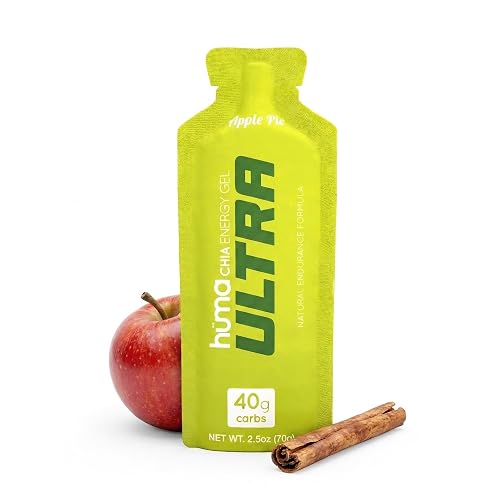
40g Carbs, Real Food, Ultra Endurance Formula Huma Ultra Energy Gel, Apple Pie, 8 Gels
For runners comparing a wider range of options, the roundup at Top 8 Best Low Carb Energy Gels for Runners Compared (2026) and the guide to Running Energy Gels Comparison: 7 Factors to Compare Before You Buy cover the criteria in more depth.
FAQ
Are Huma chia energy gels good for sensitive stomachs?
The product is marketed as stomach friendly and built on real-food ingredients, which is why many runners with sensitivity try it. Individual tolerance varies, so test it during long training runs before using it on race day.
How many chia gels should I take per hour?
That depends on your target carbohydrate intake and the carb content listed on your pack. Many runners aim for a steady hourly intake and adjust based on training experience. Check the label and plan around your own numbers.
Do Huma chia gels contain caffeine?
This variety pack is not positioned as a caffeinated gel. Check the nutrition panel on your package to confirm caffeine content, since formulations can differ across the brand’s range.
Do I need to drink water with energy gels?
Many runners take gels with water to help them swallow and to support digestion. Thicker gels may require a few sips. Practice this habit during training.
Can I use these gels for a half marathon?
Yes, many half-marathon runners use gels for fueling during longer efforts. Most half-marathon plans need fewer gels than a marathon. The timing guide linked earlier in this article can help you plan.
Are chia energy gels suitable for everyone?
No. Anyone with a medical condition, food allergy or dietary restriction should read the full ingredient list and consult a doctor or registered dietitian before use.
How should I store energy gels?
Store gels in a cool, dry place away from direct heat, and check the expiration date before use. Discard any gel with a changed texture, smell or appearance.
Final Verdict
Huma chia energy gels earn a place in a marathon fueling plan for runners who want real-food ingredients, a gentler option for the stomach and a variety pack to test flavors. Their thicker texture and moderate carb density make them less suited to fast, high-intensity fueling or ultra-distance needs. Test the gels on your long runs, confirm the carbohydrate and sodium numbers on your pack, and build your race-day plan around what your stomach accepts.
Related reading
- Huma Plus Energy Gels Review: Key Features Explained
- When to Take Energy Gels During Half Marathon: A Step-by-Step Timing Guide
- Top 8 Whole Foods Energy Gels Worth Considering in 2026
About Ethan Brooks
Ethan Brooks is part of our editorial team and reviews and edits our marathon & half-marathon guides, checking product details against manufacturer specifications and owner feedback.
