
 By Ethan Brooks
Updated November 2026
Searchers looking for the hal higdon novice 1 marathon training plan usually want a clear schedule they can follow without guesswork. The selection criteria here are how closely each resource supports a first-time marathon build, how complete the week-by-week structure is, how usable the guidance is for beginners, and how often owners describe it as practical rather than theoretical. These are research-based comparisons drawn from product listings and owner feedback patterns, not hands-on testing.
Our top picks at a glance
- 1
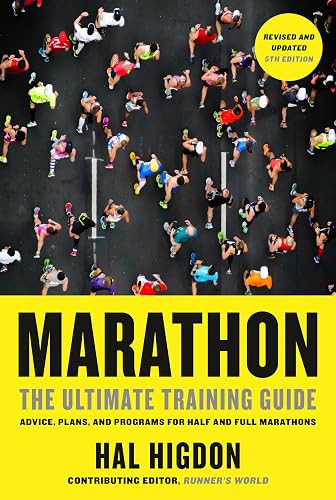 TOP CHOICEBest overallMarathon, Revised and Updated 5th Edition: The Ultimate Training GuideView on Amazon
- 2
 TOP CHOICEBest for a complete first-timer's programRunning Your First Marathon: The Complete 20-Week Marathon Training PlanView on Amazon
- 3
 TOP CHOICEBest for understanding plan designMarathon Training Plans Decoded: A Step-by-Step Guide to Training forView on Amazon
- 4
 Best for logging workouts16-Week Marathon Training Plan & Log Book: A Simple, Effective MarathoView on Amazon
- 5
 Best for a calm, step-by-step approachThe Half Marathon Training Plan: The Calm, Proven System to Get You to Race Day ReadyView on Amazon
- 6
 Best for absolute beginnersCouch to 26.2: The Beginner's Marathon Training PlanView on Amazon
- 7
 Best for building a custom planBe Ready on Race Day: How to Create a Custom Training Plan for Your NeView on Amazon
Our Top Picks
Quick Comparison
| Product | Best for | Key feature |
|---|---|---|
| Marathon, Revised and Updated 5th Edition | Overall reference | Broad plans for half and full marathons |
| Running Your First Marathon | Complete first-timer program | 20-week structured plan |
| Marathon Training Plans Decoded | Understanding plan design | Adapting plans to your goals |
| 16-Week Marathon Training Plan & Log Book | Logging workouts | Built-in training log |
| The Half Marathon Training Plan | Calm, step-by-step approach | Race-day readiness focus |
| Couch to 26.2 | Absolute beginners | 18-week build from zero |
| Be Ready on Race Day | Custom plan building | Template for your own schedule |
Marathon, Revised and Updated 5th Edition: The Ultimate Training Guide: Advice, Plans, and Programs for Half and Full Marathons
Marathon, Revised and Updated 5th Edition: The Ultimate Training Guide: Advice, Plans, and Programs for Half and Full Marathons
Best for: Overall reference for a first marathon.
This suits runners who want a thorough guide that explains the reasoning behind each training block, not just the workouts.
Pros
- Covers a wide range of plan levels and race distances
- Explains the purpose of each type of workout
Cons
- Broad scope means less depth on any single plan
Running Your First Marathon: The Complete 20-Week Marathon Training Plan
Running Your First Marathon: The Complete 20-Week Marathon Training Plan
Best for: A complete first-timer program.
This is a fit for runners who want a single, structured schedule to follow from start to finish. For another angle, check out Hal Higdon Novice 2 Half Marathon Training Plan: 3 Best Guides Compared.
Pros
- Clear week-by-week progression
- Focused entirely on a first marathon
Cons
- The 20-week timeline is longer than the 16-week build many novices use
Marathon Training Plans Decoded: A Step-by-Step Guide to Training for Marathon the Smart Way
Marathon Training Plans Decoded: A Step-by-Step Guide to Training for Marathon the Smart Way, Building the Right Plan Adapted to Your Goals and … (Highly Effective Marathon Training Plan)
Best for: Understanding plan design.
Ideal for runners who want to adjust a plan to their own schedule and goals rather than follow it rigidly. For another angle, check out 7 Best Runs with Hal Marathon Training Plan Books for Every Level (2026).
Pros
- Explains how to adapt a plan to your goals
- Helps you judge why a schedule is built the way it is
Cons
- Requires more independent planning than a fixed schedule
16-Week Marathon Training Plan & Log Book: A Simple, Effective Marathon Training System
16-Week Marathon Training Plan & Log Book: A Simple, Effective Marathon Training System
Best for: Logging workouts.
This works well for runners who want the plan and a place to record each run in one place.
Pros
- Combines a 16-week schedule with a log
- Simple layout for tracking mileage
Cons
- Less explanation of the training theory behind the plan
The Half Marathon Training Plan: The Calm, Proven System to Get You to Race Day Ready
The Half Marathon Training Plan: The Calm, Proven System to Get You to Race Day Ready
Best for: A calm, step-by-step approach.
Best for runners who prefer a measured build and want to step up to the full marathon distance later.
Pros
- Measured, low-stress progression
- Useful stepping stone toward a full marathon
Cons
- Focused on the half marathon, not the full distance
Couch to 26.2: The Beginner’s Marathon Training Plan
Couch to 26.2: The Beginner's Marathon Training Plan: Your 18-Week Guide to Building Endurance, Avoiding Injuries, and Finishing Strong – No Running Experience Required
Best for: Absolute beginners.
This suits people with little or no running background who need a gradual start.
Pros
- Starts from zero running experience
- Emphasizes injury avoidance
Cons
- The 18-week schedule may feel slow for experienced runners
Buying Guide
Structure and Week-by-Week Detail
Look for a book that lays out each week of the plan clearly, showing which runs to do, how long they should be, and when rest days fall. A beginner benefits from a schedule that is easy to scan on a busy morning, so a plan that pairs the training weeks with a simple tracking format is especially useful.
Beginner-Friendly Guidance
If you are new to distance running, choose a resource that explains terms like easy pace, long run, and recovery without assuming prior experience. Clear advice on building up gradually matters more than advanced workout theory when you are working toward your first 26.2 miles.
Coverage of Injury Prevention and Recovery
A good guide addresses how to ramp up mileage safely, when to back off, and how to handle common aches. Plans that include notes on cross-training, sleep, and fueling tend to help first-time runners stay consistent through the whole build.
Flexibility for Different Race Goals
Some readers want a single fixed schedule, while others need a way to adapt the plan to their own timeline or to a half marathon first. Check whether the resource offers alternate programs or a method for customizing the training to your fitness level and target finish.
Tools for Tracking Progress
A built-in log book or space to record workouts can make it easier to see your progress and spot patterns in fatigue or performance. If you prefer to use an app or a notebook, a guide with a plain, well-organized schedule is still a strong choice.
FAQ
Is the Hal Higdon Novice 1 plan suitable for someone who has never run a marathon?
Yes, the Novice 1 plan is designed for runners who are finishing their first marathon and have a solid base of running already. Many of the books in this roundup explain how to adapt a novice schedule to your own starting point. If you are coming from a much lower base, a beginner-focused guide may be a better starting place.
How many weeks should I give myself to train for a first marathon?
Most first-time marathon plans run between 16 and 20 weeks, and that range gives most runners enough time to build endurance safely. Choose a plan length that matches how many weeks you have before race day. Starting with too short a window can make the training feel rushed.
Do I need a running coach if I follow one of these guides?
A coach is not required, since these guides are written to be followed on your own. However, a coach or experienced training partner can help you judge effort and recovery if you are unsure. Paying attention to how your body feels is an important part of any plan.
Should I train for a half marathon before attempting a full marathon?
Many runners find that completing a half marathon first helps them build confidence and learn how to manage race-day pacing and fueling. Some of the resources here include half marathon training as a stepping stone. Whether it makes sense depends on your schedule and how comfortable you feel running longer distances.
What should I do if I miss several training days?
Missing a few days is normal, and the best approach is usually to resume the plan where you left off rather than trying to make up every missed run. If you miss a longer stretch, consider repeating a recent week before moving forward. Listening to your body and avoiding a sudden jump in mileage will help reduce injury risk.
Conclusion
If you want a comprehensive, all-in-one reference that covers both half and full marathon training, the ultimate training guide is a strong choice. Beginners who want a step-by-step introduction with plenty of structure will find the first-marathon and couch-to-finish plans especially approachable.
Runners who prefer a simple schedule and a place to track their workouts may do best with the log book option, while those who want to tailor their own plan will benefit from the custom-plan guides. Matching the resource to your experience level and how much detail you want will help you stay consistent on the road to race day.
Related reading
- 3 Best Hal Higdon's Novice Half Marathon Training Plans (2026): Our Picks
- Hal Higdon 3 Day Half Marathon Training: 7 Best Plans and Guides Compared
- Hal Higdon Half Marathon Training Novice 2: A 12-Week Guide
About Ethan Brooks
Ethan Brooks is part of our editorial team and reviews and edits our marathon & half-marathon guides, checking product details against manufacturer specifications and owner feedback.
