 By Ethan Brooks
Updated November 2026
Energy gels are not inherently fattening. A typical gel provides roughly 100 calories, mostly from carbohydrates, and it only adds body fat if your total calorie intake over time exceeds what you burn. For most runners, the real question is whether gels are being added on top of an already sufficient diet or replacing whole food.
Why Energy Gels Don’t Automatically Cause Weight Gain
Body weight is driven by your overall energy balance across days and weeks, not by any single food. A gel taken during a 90-minute long run burns off quickly because your muscles use those carbohydrates to fuel the effort. The calories are converted to energy rather than stored as fat, provided your training is demanding enough to use them.
Shopping for one? See our guide: Honey Stinger Energy Gels Review (2026): Pros and Cons.
The problem arises when gels are used casually. Someone who takes three gels on a 45-minute easy run, then eats a normal dinner and a dessert, can easily add 300 or more surplus calories per day. Over a month, that adds up.
Factors That Determine Whether Gels Add Weight
Several variables decide the outcome:
- Training volume: Higher weekly mileage burns more energy, so the same gel carries less surplus risk.
- Timing: Gels taken during runs longer than about 60 minutes are used for fuel. Gels eaten while sitting or on short runs are mostly extra calories.
- Substitution: If a gel replaces a bar, a handful of chews or a sugary drink, the net change may be zero.
- Total daily intake: The number on the scale reflects everything you eat, not only fueling products.
- Individual goals: Athletes in a deliberate calorie deficit need to count gels just as they would any other food.
How to Keep Gels From Affecting Your Weight
Gels are a tool, and you can use them without drifting into a surplus. Start by treating them as part of your daily calorie budget rather than a free add-on. Log them the same way you log meals.
- Take gels only on runs longer than about 60 to 75 minutes, or during races.
- Stick to roughly 30 to 60 grams of carbohydrate per hour during sustained efforts, which is about one gel per 30 to 45 minutes.
- Reduce regular meal carbohydrates on days you take gels, especially on rest days.
- Weigh yourself weekly under similar conditions and look at trends rather than daily swings.
- Practice your fueling in training so you know exactly how many gels you need.
If you are managing weight for medical reasons, or you notice unexplained changes, speak with a registered dietitian or your doctor before adjusting your fueling plan.
What We’d Use
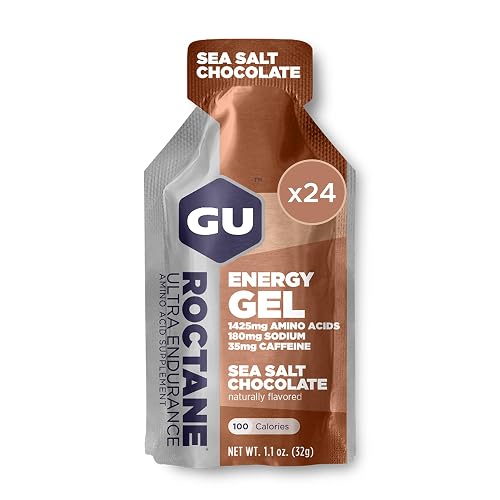
If you want a simple, widely available gel for long training runs, a classic option is the GU Energy Gel: View on Amazon
For runners who prefer a gel with added electrolytes for hot-weather training, the Maurten Gel 100 is a popular choice: View on Amazon
FAQ
Do energy gels make you gain weight?
Not by themselves. They add weight only if your total daily calories consistently exceed what you burn.
Can I eat energy gels while trying to lose weight?
Yes, if you count them in your daily intake and use them on runs long enough to need fuel. Skipping them on short runs keeps the calorie impact low.
Are energy gels better than sugary snacks for runners?
Gels are designed for quick carbohydrate delivery during exercise, so they often suit running better than snacks. Their calorie content is similar, so the choice depends on timing and how your stomach tolerates them. For more on timing, see When to Take Energy Gels: A Marathoner's Timing Guide.
Related reading
- Wiggle Energy Gels Review: Ingredients, Taste and Race-Day Fit
- Why Is There Maltodextrin in Energy Gels? Purpose and Trade-Offs
- Why Do Energy Gels Give Me Diarrhea? Causes and Fixes
Ready to choose one?
About Ethan Brooks
Ethan Brooks is part of our editorial team and reviews and edits our marathon & half-marathon guides, checking product details against manufacturer specifications and owner feedback.