By Ethan Brooks
Updated November 2026
Yes, energy gels can make you fart, especially if you take them in large doses, take them without enough water, or have a sensitive gut. The usual culprits are sugar alcohols, concentrated carbohydrates and fructose, which the small intestine absorbs slowly during hard exercise. Gas is common, but it is also predictable and manageable. For another angle, check out Why Do Energy Gels Cause Gas? Causes and Fixes.
Why Gels Cause Gas During Running
When you run hard, blood flow shifts away from your digestive tract toward your working muscles. That slows digestion and makes your gut less efficient at absorbing sugar. Carbohydrate that reaches the large intestine unabsorbed gets fermented by gut bacteria, and fermentation produces gas. A gel is a dense hit of carbohydrate, so it can overwhelm your gut faster than a piece of banana or a sip of sports drink would.
Shopping for one? See our guide: Honey Stinger Energy Gels Review (2026): Pros and Cons.
Some gels also contain ingredients that draw water into the bowel or are poorly absorbed. Sugar alcohols such as sorbitol and xylitol are the most cited examples. Fructose at high concentrations behaves similarly in some people. Maltodextrin, the most common carbohydrate in gels, is generally well tolerated, but a large amount taken at once can still cause bloating.
Factors That Make Gas Worse
Gas is rarely caused by the gel alone. Several factors multiply the effect:
- Dose and timing. Taking two gels in the first 20 minutes of a race is a much bigger load than one gel every 40 to 45 minutes.
- Hydration. Carbohydrate absorption depends on fluid. A gel with no water can sit heavily in the stomach.
- Intensity. The harder you push, the less blood reaches your gut, and the more likely you are to bloat.
- Diet in the days before. High-fiber meals, beans, or a lot of artificial sweeteners the day before a long run can leave you more gassy on the course.
- Individual sensitivity. Some runners simply have a more reactive gut, and gels that are fine for teammates may not suit them.
How to Prevent Gel-Related Gas
- Start with half a gel during a long training run to see how your stomach responds.
- Take each gel with 4 to 6 ounces of water, not with a large volume of dry gulps.
- Space gels roughly every 30 to 45 minutes rather than stacking them.
- Read the ingredient list and look for sugar alcohols. Choose a gel without them if you notice problems.
- Reduce high-fiber and gas-producing foods the day before long runs.
- Rehearse your full race-day fueling plan in training, including the exact gel brand and flavor.
If gas comes with cramping, severe bloating, or persistent diarrhea, the problem may not be the gel alone. Consult a doctor or sports dietitian, especially if symptoms continue outside of running.
What We’d Use
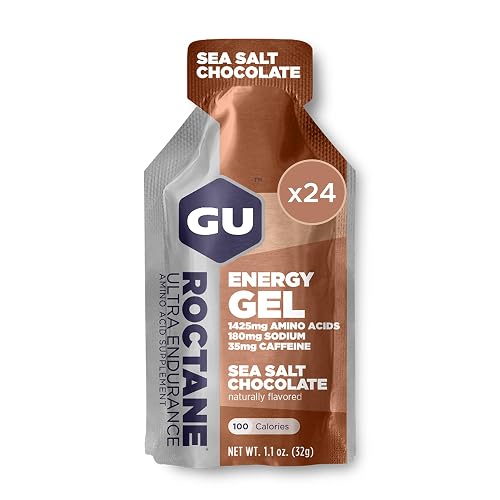
If your gut reacts badly to fructose-heavy or sugar-alcohol gels, a maltodextrin-based gel with a simple ingredient list is a common choice among runners. Look for one that is easy to pair with water, such as GU Energy Gel in a flavor you have already tested in training. View on Amazon
For runners who want a gel with a bit more carbohydrate variety, a multiple-transportable-carbohydrate gel is worth trying. Maurten Gel 100 is one option that many runners use in long races. View on Amazon
FAQ
Can energy gels cause diarrhea as well as gas?
Yes. High carbohydrate loads or sugar alcohols can pull water into the bowel and speed up transit. For more detail, see Why Do Energy Gels Give Me Diarrhea? Causes and Fixes.
Are some energy gels less likely to cause gas?
Gels with fewer sugar alcohols and a moderate carbohydrate concentration are usually better tolerated. Gels using a mix of carbohydrate types may also be easier on the gut for some runners.
Should I stop taking gels if they make me fart?
Not necessarily. Try reducing the dose, taking each gel with water, and spacing them further apart. If symptoms persist, switch brands or consult a professional about your fueling plan.
Related reading
- Do Energy Gels Make You Poop? Causes and Fixes
- Wiggle Energy Gels Review: Ingredients, Taste and Race-Day Fit
Ready to choose one?
About Ethan Brooks
Ethan Brooks is part of our editorial team and reviews and edits our marathon & half-marathon guides, checking product details against manufacturer specifications and owner feedback.