By Ethan Brooks
Updated November 2026
The science behind energy gels is simple at its core: a gel delivers fast-digesting carbohydrate in a small, portable package, and your intestines absorb it quickly enough to keep your muscles supplied during long efforts. Most gels contain roughly 20 to 25 grams of carbohydrate per pack, usually a blend of glucose and maltodextrin, mixed with a little sodium and water to make it easy to swallow while running.
Why Carbohydrate Matters During Long Runs
Your body stores carbohydrate as glycogen in your muscles and liver. A typical trained runner has enough glycogen for roughly 90 to 120 minutes of hard effort, which is why many marathoners hit a wall near mile 20. Taking in carbohydrate during the race spares some of that stored glycogen and gives your working muscles a second fuel source.
Shopping for one? See our guide: Science in Sport GO Isotonic Energy Gels Review: Is It Worth It?.
Gels work because the carbohydrate is already in a form your gut can absorb with little digestive work. Glucose is taken up through the small intestine via sodium-linked transporters, and a second pathway handles fructose. Using both pathways together lets you absorb more carbohydrate per hour than using glucose alone. For another angle, check out Does Science in Sport GO Energy Plus Caffeine Gels Work? Dosing and Timing Guide.
The Factors That Control How Well a Gel Works
Three variables determine whether a gel helps or causes trouble: concentration, osmolality and your fluid intake.
- Concentration: Gels are thick, so the carbohydrate is packed into a small volume. If a gel is too concentrated and you don’t drink enough water, fluid can be pulled into the gut, which can cause bloating or cramping.
- Osmolality: Products labeled isotonic are formulated to sit close to the osmotic pressure of your blood, which tends to empty from the stomach more readily than hypertonic mixes.
- Fluid: Carbohydrate absorption depends on water moving along with it. Taking a gel without any water can slow absorption and increase stomach discomfort.
Caffeine, where included, works on a different system. It blocks adenosine receptors in the brain, which can reduce the perception of effort. It is not a carbohydrate source, and its effects vary widely between people.
How to Use the Science in Your Own Training
The research-backed target for most runners is about 30 to 60 grams of carbohydrate per hour for efforts longer than 90 minutes, and up to 90 grams per hour for well-trained athletes using a glucose and fructose blend. A practical approach is to test your intake during long training runs, not on race day. For a deeper look at timing and dosing, see When to Take Energy Gels Running: Timing, Dosage and Race-Day Tips.
- Start gels after the first 30 to 45 minutes, then repeat every 30 to 45 minutes.
- Take each gel with 4 to 6 ounces of water unless the label directs otherwise.
- Practice your exact fueling plan on at least two or three long runs before race day.
- Choose a gel with a known ingredient profile, and avoid switching brands in the final weeks.
- If you have frequent gut trouble, read Why Do Energy Gels Give Me Diarrhea? Causes and Fixes before changing anything else.
Maltodextrin is a common carbohydrate in gels because it provides energy with a lower sweetness and a less dense osmotic load than pure sugar. The trade-offs are explained in Why Is There Maltodextrin in Energy Gels? Purpose and Trade-Offs.
What We’d Use
If you want a widely available isotonic option built around a glucose and maltodextrin blend, Science in Sport GO Isotonic Gel is a common pick among marathoners. View on Amazon
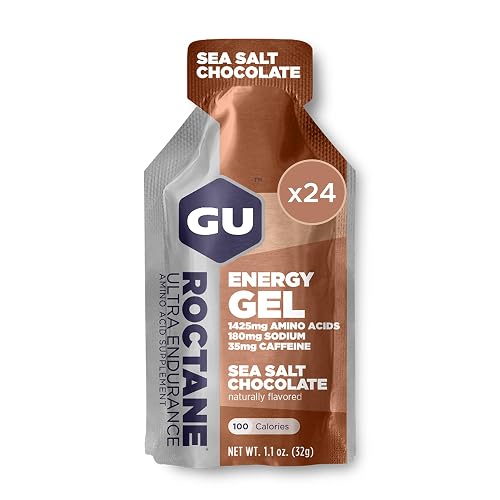
For runners who prefer a glucose and fructose blend to support higher hourly intake, GU Energy Gel is a widely used choice. View on Amazon
FAQ
Do energy gels need to be taken with water?
Yes, in most cases. Water helps the carbohydrate move through the stomach and into the small intestine, which supports absorption and reduces the chance of stomach upset.
How many gels should I take in a marathon?
Many runners take three to five gels over a marathon, depending on pace, body size and how much carbohydrate they can tolerate. Test your own intake in training.
Are energy gels only for marathoners?
No. Any effort lasting longer than about 90 minutes can benefit from carbohydrate intake, including half marathons for slower runners and endurance cyclists. Consult a sports dietitian or doctor if you have diabetes or a digestive condition before changing your fueling plan.
Related reading
- Science in Sport Isotonic Energy Gels: How to Use Them for Marathon Fueling
- Isotonic Energy Gels for Runners: Science in Sport vs SiS (2026)
Ready to choose one?
About Ethan Brooks
Ethan Brooks is part of our editorial team and reviews and edits our marathon & half-marathon guides, checking product details against manufacturer specifications and owner feedback.