
 By Lauren Holland
Updated November 2026
Runners searching for the hal higdon novice 2 half marathon training plan usually want one of two things: a structured schedule they can follow week by week, or a book that explains the reasoning behind the workouts. This list covers three books that give you a solid base for that goal. The selection criteria were research-based: we looked at how complete each plan is (weekly mileage, cross-training, rest days, and race-week guidance), how the author and publisher are regarded in the running community, and the patterns owners tend to report about usability and clarity. We did not run any of these plans ourselves, so treat the comparisons as a reading of the published material rather than a first-hand test.
Our top picks at a glance
- 1
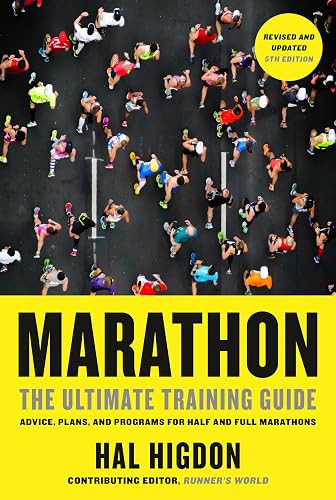 TOP CHOICEBest overallMarathon, Revised and Updated 5th Edition: The Ultimate Training GuideView on Amazon
- 2
 Best for a dedicated 16-week buildBreak 2 Hours Half Marathon Training PlanView on Amazon
- 3
 Best for a calm, step-by-step approachThe Half Marathon Training Plan: The Calm, Proven System to Get You to Race Day ReadyView on Amazon
Our Top Picks
Quick Comparison
| Product | Best for | Key feature |
|---|---|---|
| Marathon, Revised and Updated 5th Edition | Runners who want the reasoning behind the plan | Broad coverage of half and full marathon training |
| Break 2 Hours Half Marathon Training Plan | Runners aiming for a time goal under two hours | 16-week structured plan with pace focus |
| The Half Marathon Training Plan | Beginners and returning runners who want a calm approach | Step-by-step system built around race-day readiness |
Marathon, Revised and Updated 5th Edition: The Ultimate Training Guide
Marathon, Revised and Updated 5th Edition: The Ultimate Training Guide: Advice, Plans, and Programs for Half and Full Marathons
Best for: Runners who want the full training framework, not just a schedule
This is the most comprehensive title in the group. It is aimed at runners who want to understand why a plan is built the way it is, and who may move on to a full marathon later. It suits intermediate runners comfortable with regular weekly mileage, and it also works for newer runners willing to read carefully before they start.
Key specs
- Covers both half and full marathon training
- Includes multiple plan levels and program options
- Revised and updated edition
Pros
- Explains the principles behind weekly mileage, long runs, and recovery
- Useful for runners planning more than one race
- Good reference to return to after your first half marathon
Cons
- Broader scope means you must find the right plan within the book
- Less focused than a single-purpose half marathon guide
Bottom line: Choose this if you want a long-term reference and an understanding of training theory. It is a strong pick for runners who plan to keep racing.
Break 2 Hours Half Marathon Training Plan
Break 2 Hours Half Marathon Training Plan: A 16-week training plan will help you complete break 2 hours half – marathon.
Best for: Runners aiming for a time goal under two hours
This guide is built around a 16-week schedule with a clear performance target. It fits runners who already have a base of running and want a plan that pushes pace and structured workouts. If your main goal is simply to finish comfortably, a more beginner-focused plan may suit you better.
Key specs
- 16-week training plan
- Half marathon focus with a sub-two-hour goal
Pros
- Clear, goal-specific structure
- Longer 16-week runway gives time to build gradually
- Focused on one race distance, so the plan stays on target
Cons
- Pace-focused workouts may be demanding for newer runners
- Less explanation of general training theory than a broader guide
Bottom line: A good choice for experienced runners chasing a specific time. Check your current weekly mileage before committing, and consider a medical check-up if you have any health concerns before starting a faster program.
The Half Marathon Training Plan: The Calm, Proven System to Get You to Race Day Ready
The Half Marathon Training Plan: The Calm, Proven System to Get You to Race Day Ready
Best for: Beginners and returning runners who want a calm, step-by-step approach
This title leans toward a steady, low-stress path to the start line. It suits runners who find rigid, high-intensity plans hard to stick with, and who value consistency over speed. It is a reasonable companion for someone following the general structure of a novice plan.
Key specs
- Single-focus half marathon plan
- Emphasis on race-day readiness
Pros
- Gentle progression suits new runners
- Focus on consistency and confidence
- Straightforward to follow week to week
Cons
- Less depth on advanced pacing and race strategy
- Limited detail for runners seeking time-based targets
Bottom line: Best for first-time half marathoners or runners returning after a break. If you are coming back from injury, check with a doctor or physical therapist before you increase mileage.
Buying Guide
Plan structure and weekly progression
Look for a plan that builds mileage gradually and includes at least one rest day, a long run each week, and a taper before race day. The hal higdon novice 2 half marathon training plan style is known for moderate weekly increases, so compare any guide against that kind of progression. Read the sample weeks before you buy to see whether the volume matches your current running.
Good picks for this: Break 2 Hours Half Marathon Training Plan, The Half Marathon Training Plan
Depth of training explanation
Some books give you only a calendar; others explain the reasoning behind easy runs, intervals, and recovery. If you like to adjust your plan when life gets busy, a book with more explanation will serve you better. If you prefer to follow instructions without much reading, a shorter guide is enough.
Good picks for this: Marathon, Revised and Updated 5th Edition, The Half Marathon Training Plan
Race goal and target finish time
Decide whether you are aiming to finish comfortably, improve your time, or go after a specific target. A finish-focused runner needs a different plan than someone chasing a sub-two-hour half. Match the guide to your goal rather than choosing the most aggressive option. For another angle, check out Training for a Half Marathon with No Experience: 6 Best Guides Compared.
Good picks for this: Break 2 Hours Half Marathon Training Plan, Marathon, Revised and Updated 5th Edition
Experience level and starting mileage
A common guideline is to be running consistently for several weeks before starting a novice-level half marathon plan. If you cannot yet run for 20 to 30 minutes without stopping, build a base first. Choose a guide that matches where you actually are.
Good picks for this: The Half Marathon Training Plan, Marathon, Revised and Updated 5th Edition
Cross-training and strength work
Many plans recommend cross-training, such as cycling or swimming, and simple strength work for the hips, core, and calves. Check whether a guide addresses these areas, since they support durability during a 16-week build. Strength recommendations are general, so ask a coach or physical therapist if you have a history of injury.
Good picks for this: Marathon, Revised and Updated 5th Edition, The Half Marathon Training Plan
Race-week and taper guidance
The last two weeks before a half marathon matter as much as the training itself. Look for clear taper instructions, guidance on race-day fueling, and a plan for the day before the race. A guide that stops at the final long run leaves you to figure out the most important part alone.
Good picks for this: The Half Marathon Training Plan, Break 2 Hours Half Marathon Training Plan
Format and ease of use
Consider whether you want a physical book you can mark up, or a plan you can follow on a phone. Print plans are easy to reference during a run, but make sure the calendar layout is clear. A plan that is hard to read on the road will get abandoned quickly.
Good picks for this: The Half Marathon Training Plan, Marathon, Revised and Updated 5th Edition
FAQ
Is the hal higdon novice 2 half marathon training plan suitable for beginners?
The novice 2 level is generally aimed at runners who already have a base of regular running and can handle several miles without stopping. If you are brand new to running, build your base for several weeks first. Recheck with a doctor if you have any medical conditions.
How many weeks should I follow a half marathon plan?
Most published half marathon plans run between 8 and 16 weeks. Longer plans give more time to build mileage gradually, which many beginners find easier on the body. Shorter plans suit runners who are already fit.
Do I need to run every day on a half marathon plan?
No. Most plans include several running days per week plus rest days. Recovery is part of the training, and adding rest days is a normal, sensible part of the process.
Should I cross-train during a half marathon build?
Many training plans suggest low-impact cross-training such as cycling or swimming to build fitness without adding impact stress. Cross-training can complement running, but it does not replace the long runs that prepare you for race distance. You may also like Marathon Sub 3 Hour Training Plan: 6 Best Guides Compared (2026).
What should I do if I miss a week of training?
If you miss a few days because of a busy schedule, you can usually resume the plan without making up the missed runs. If you have been ill or injured, step back to an easier week and rebuild gradually. If pain persists, consult a medical professional before continuing.
Can I use a book alone to train for a half marathon?
A book can give you a complete schedule and training principles, which is enough for many runners. Still, feedback from a coach, running club, or physical therapist can help you catch form issues or overuse problems early.
Conclusion
For runners who want a complete reference and an explanation of training principles, Marathon, Revised and Updated 5th Edition is the most complete option. Runners chasing a specific time under two hours will find the Break 2 Hours Half Marathon Training Plan more targeted. For beginners and returning runners who want a calm, step-by-step system, The Half Marathon Training Plan is the most approachable. Match the book to your experience level and race goal, and check the weekly mileage before you commit.
Sources
- Guidance on physical activity levels and recommended weekly exercise for adults (cdc.gov)
- Research summaries on running injuries, recovery, and training load (nih.gov)
- Position statements on exercise prescription and progression for endurance training (acsm.org)
Related reading
- 3 Best Hal Higdon's Novice Half Marathon Training Plans (2026): Our Picks
- Hal Higdon Half Marathon Training Novice 2: A 12-Week Guide
- Hal Higdon 3 Day Half Marathon Training: 7 Best Plans and Guides Compared
- Hal Higdon Novice 1 Marathon Training Plan: 7 Best Books and Guides (2026)
- Half Marathon Training Schedule Hal Higdon: A 12-Week Guide (2026)
About Lauren Holland
Lauren Holland is part of our editorial team and reviews and edits our marathon & half-marathon guides, checking product details against manufacturer specifications and owner feedback.
