
 By Ethan Brooks
Updated November 2026
Anyone searching for a jack daniels running formula marathon training plan is usually trying to do two things at once: follow a structured schedule built on Dr. Jack Daniels’ VDOT pacing system, and find a reference book or companion guide that explains why each workout exists. The right resource depends on whether you already understand running physiology, whether you need a printable log, or whether you want a broader marathon manual that includes the Daniels approach alongside other methods. The picks below were chosen by checking the listing details, the scope of each book, the training philosophy it emphasizes, and the feedback patterns owners commonly report. None of these were personally trialed.
Our top picks at a glance
- 1
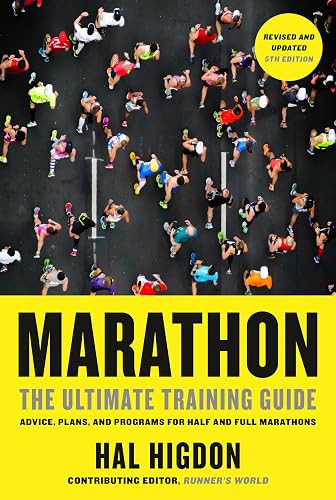 TOP CHOICEBest overallMarathon, Revised and Updated 5th Edition: The Ultimate Training GuideView on Amazon
- 2
 Best for logging your weeks16-Week Marathon Training Plan & Log BookView on Amazon
- 3
 Best for understanding the methodMarathon Training Plans Decoded: A Step-by-Step Guide to Training forView on Amazon
- 4
 Best for a first marathonRunning Your First Marathon: The Complete 20-Week Marathon Training PlanView on Amazon
Selection criteria: clear coverage of marathon training structure, practical pacing guidance, usability for a self-coached runner, and whether the content is complete enough to stand on its own.
Our Top Picks
| Product | Best for | Key feature |
|---|---|---|
| Marathon, Revised and Updated 5th Edition | Runners who want a full reference manual | Broad coverage of half and full marathon training with plans and programs |
| 16-Week Marathon Training Plan & Log Book | Runners who want a simple tracking system | Week-by-week structure paired with a log format |
| Marathon Training Plans Decoded | Runners who want to understand plan design | Step-by-step explanation of how to build a plan around personal goals |
| Running Your First Marathon | First-time marathoners | Complete 20-week plan with beginner-focused guidance |
Marathon, Revised and Updated 5th Edition: The Ultimate Training Guide
Marathon, Revised and Updated 5th Edition: The Ultimate Training Guide: Advice, Plans, and Programs for Half and Full Marathons
Best for: Runners who want a comprehensive reference covering training theory, plans, and programs in one place.
This is the broadest option on the list. It is aimed at runners who want to study marathon preparation in depth and return to the book across multiple training cycles, rather than follow a single schedule once.
Key specs:
- Title lists advice, plans, and programs for both half and full marathons
- Presented as a revised and updated fifth edition
- Covers the ultimate training guide format rather than a single plan
Pros:
- Wide scope covers multiple training approaches and distances
- Useful as a long-term reference across several seasons
- Updated edition format suggests revisions to earlier guidance
Cons:
- Its breadth can feel dense for a runner who only wants one schedule
- Readers looking for a daily logbook will need a separate tool
Bottom line: A strong pick for runners who want one comprehensive book to study before and during a marathon build.
16-Week Marathon Training Plan & Log Book
16-Week Marathon Training Plan & Log Book: A Simple, Effective Marathon Training System
Best for: Runners who want a structured 16-week plan with a built-in place to record workouts.
This product is suited to runners who prefer a practical workbook over a long reference text. It fits well for someone who will follow the schedule closely and review progress weekly.
Key specs:
- Designed around a 16-week marathon training timeline
- Combines a training plan with a log book format
Pros:
- Easy to use day to day without reading lengthy background material
- Logging space helps spot patterns in pace and fatigue
- Compact format suits a single training cycle
Cons:
- Less explanation of the underlying Daniels pacing logic
- Limited value once the training cycle ends
Bottom line: Best for runners who want a no-frills schedule and a log to track each week.
Marathon Training Plans Decoded: A Step-by-Step Guide to Training for Marathon the Smart Way
Marathon Training Plans Decoded: A Step-by-Step Guide to Training for Marathon the Smart Way, Building the Right Plan Adapted to Your Goals and … (Highly Effective Marathon Training Plan)
Best for: Runners who want to understand how a marathon plan is built so they can adapt it to their goals.
This guide focuses on the logic behind plan design. It suits runners who plan to modify a schedule for their own mileage, recovery needs, or goal finishing time.
Key specs:
- Step-by-step format explaining how to build a plan
- Emphasis on adapting training to individual goals
Pros:
- Explains the reasoning behind workout placement and progression
- Helpful for adjusting a plan after illness or a missed block
- Useful companion to a pacing system such as VDOT
Cons:
- Requires more reading time before the plan can be started
- Not a ready-to-run schedule for beginners who want to skip planning
Bottom line: A good choice for intermediate runners who want to customize a Daniels-style build rather than copy one.
Running Your First Marathon: The Complete 20-Week Marathon Training Plan
Running Your First Marathon: The Complete 20-Week Marathon Training Plan
Best for: First-time marathoners who need a longer build with gradual progression.
This book targets runners who are new to 26.2 miles and want a longer runway than a standard 16-week cycle. It is less about advanced pacing theory and more about getting a beginner safely to the start line.
Key specs:
- Complete 20-week marathon training plan
- Written for a first marathon
Pros:
- Longer timeline gives more room for base building
- Beginner-friendly tone and structure
- Clear focus on finishing strong rather than racing hard
Cons:
- Twenty weeks is longer than many experienced runners need
- Less depth on advanced VDOT-based pace zones
Bottom line: Ideal for a first-time marathoner who wants a patient plan and has the time for a 20-week build.
Buying Guide
Depth of Pacing Explanation
The Daniels method rests on VDOT and training pace zones. Check whether the resource explains how to determine your VDOT from a recent race or time trial and how to translate it into easy, threshold, interval, and repetition paces. Books that only list paces without the reasoning can leave you guessing when conditions change.
Good picks for this: Marathon, Revised and Updated 5th Edition; Marathon Training Plans Decoded
Plan Length and Experience Level
Plans commonly run 16 to 20 weeks. A 16-week build suits runners who already have a solid aerobic base, while a 20-week build gives beginners more time to progress mileage safely. Match the length to your current weekly volume rather than your goal date alone.
Good picks for this: Running Your First Marathon; 16-Week Marathon Training Plan & Log Book
Tracking Format
Some runners want a printed log for splits, perceived effort, and sleep. Others prefer to keep data in a watch app or spreadsheet. If you plan to log, look for a book that includes space for weekly entries, or pair a plan with a separate tracking method.
Good picks for this: 16-Week Marathon Training Plan & Log Book
Adaptability to Your Goals
A plan that works for a 4-hour finish may not suit a 3:30 target. Look for guidance on adjusting weekly mileage, long-run length, and quality sessions. Resources that explain how to build a plan around your own goals hold up better across multiple cycles.
Good picks for this: Marathon Training Plans Decoded; Marathon, Revised and Updated 5th Edition
Scope: Marathon Only or Multiple Distances
Some books cover half marathons, full marathons, and beyond, while others focus on the 26.2-mile event. Broader books are useful if you plan to race a half marathon as a stepping stone. Narrower books keep the content focused and easier to follow.
Good picks for this: Marathon, Revised and Updated 5th Edition; Running Your First Marathon
Durability and Format
If you plan to use a book outdoors or carry it on training runs, check the binding and page count. A spiral or workbook format lays flat more easily than a thick hardcover. Printed plans also avoid the need to charge a device at the track.
Good picks for this: 16-Week Marathon Training Plan & Log Book; Running Your First Marathon
Beginner Friendliness
First-time marathoners benefit from clear language, explained terminology, and guidance on rest days and injury warning signs. Check whether a resource assumes prior racing experience before you commit.
Good picks for this: Running Your First Marathon; Marathon Training Plans Decoded
FAQ
What is the jack daniels running formula marathon training plan?
It is a training approach developed by coach and exercise physiologist Dr. Jack Daniels. It uses VDOT, a value estimated from recent race performance, to set training paces for easy running, threshold work, intervals, and repetitions, and it structures a marathon build around those paces.
How long should a Daniels-based marathon plan last?
Many marathon plans run 16 to 20 weeks. The right length depends on your current weekly mileage and running history. Runners new to distance training often benefit from the longer end of that range.
Do I need to know my VDOT to use the plan?
Yes, the pacing guidance depends on it. You can estimate VDOT from a recent race or a time trial, then use the resulting pace chart to guide your workouts. Books that explain this step are especially useful.
Can I follow the plan without a coach?
Many runners do. A clear guide, a log, and consistent feedback from your own body can work well. If you have a history of injury or significant health concerns, consult a qualified coach or healthcare professional before starting a new training program.
Which pick is best for a first marathon?
A longer, beginner-focused plan generally suits a first attempt. Running Your First Marathon is built around a 20-week timeline, which gives more time to build mileage gradually.
Should I use a book or an app?
Both can work. A book is useful for understanding the reasoning behind the plan, while an app can automate pacing and reminders. Many runners combine a reference book with a log to track progress.
Conclusion
For a comprehensive reference on the Daniels approach and related marathon training, Marathon, Revised and Updated 5th Edition offers the widest scope. Runners who want a simple weekly structure with space to record their workouts will find the 16-Week Marathon Training Plan & Log Book practical. Those who want to understand and adapt plan design should look at Marathon Training Plans Decoded, while first-time marathoners will likely appreciate the longer timeline in Running Your First Marathon. Match the choice to your experience, your goal, and how much you want to learn versus simply follow.
Sources
- Guidance on physical activity levels and safe increases in exercise intensity (cdc.gov)
- Research summaries on endurance training, recovery, and injury prevention (nih.gov)
- Position statements on exercise prescription and training progression (acsm.org)
Related reading
- Jack Daniels Marathon Training Plan: A 16-Week Guide with VDOT Pacing
- Women's Running Half Marathon Training Plan: A 12-Week Guide for Beginners
- Running First Marathon Training Plan: A 16-Week Guide for Beginners
- Nike Running Half Marathon Training Plan: A 12-Week Guide for Beginners
- Nike Running Club Marathon Training Plan: A Step-by-Step Guide
- Marathon Running Training Plan: A Step-by-Step Guide for Beginners
- Half Marathon Running Training Plan: A 12-Week Guide for Beginners
About Ethan Brooks
Ethan Brooks is part of our editorial team and reviews and edits our marathon & half-marathon guides, checking product details against manufacturer specifications and owner feedback.

