
 By Ethan Brooks
Updated November 2026
Looking for a swap marathon training plan? Most runners who search this phrase want a structured schedule they can follow without guesswork, and many are also trying to decide between a plan that stands alone and one that comes with logging tools or deeper coaching-style explanations. This guide compares five options so you can match the right resource to your experience, time and goals. The selection criteria were research-based: the clarity of the weekly structure, how well each resource explains tapering and pacing, the balance of training load across the weeks, the practical extras such as logs or race-day guidance, and the general patterns owners tend to describe in their feedback.
Our Top Picks
Best overall: Marathon, Revised and Updated 5th Edition – View on Amazon
Our Top Picks
| Product | Best for | Key feature |
|---|---|---|
| Marathon, Revised and Updated 5th Edition | Runners wanting a comprehensive reference | Plans for both half and full marathons |
| The Complete Marathon Training System | Runners who want a systematic approach to tapering | Strategic tapering and race-day execution guidance |
| Marathon Training Plans Decoded | Runners who want to adapt a plan to their own goals | Guidance on building a plan around personal running history |
| Running Your First Marathon | First-time marathoners | A 20-week progressive plan |
| 16-Week Marathon Training Plan & Log Book | Runners who like to track every workout | Built-in log for daily entries |
Marathon, Revised and Updated 5th Edition
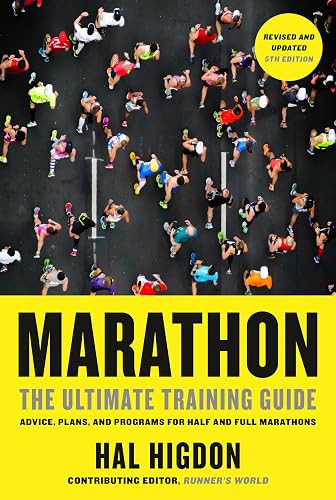
Marathon, Revised and Updated 5th Edition: The Ultimate Training Guide: Advice, Plans, and Programs for Half and Full Marathons
Best for: Runners who want a comprehensive reference covering multiple training plans for both half and full marathons.
This book suits runners who prefer to read the reasoning behind each training block before they commit to a schedule. It is a good fit for intermediate runners who already know their weekly mileage limits and want options for different race distances and goal times.
Key specs:
- Covers both half and full marathon training
- Presented as a revised and updated fifth edition
- Includes plans and program advice in a single guide
Pros:
- Broad coverage of plan types and race distances
- Explains the purpose behind workouts, not just the schedule
- Useful as a long-term reference across multiple training cycles
Cons:
- Can feel dense for beginners who only want one simple plan
- Requires you to choose and adapt a plan yourself
Bottom line: A strong choice for runners who want a reference book rather than a single fixed schedule, especially if they plan to train for more than one race.
The Complete Marathon Training System

The Complete Marathon Training System: A Simple Approach to Smarter Training Plans, Strategic Tapering, Confident Race-Day Execution & a Practical … … (Highly Effective Marathon Training Plan)
Best for: Runners who want a systematic approach to tapering and race-day execution.
This resource is aimed at runners who have finished at least one marathon or a long half marathon and want to refine how they peak. It works well for those who find tapering confusing and want clear structure around the final weeks.
Key specs:
- Focuses on a structured marathon training system
- Includes guidance on strategic tapering
- Covers race-day execution
Pros:
- Tapering advice is given a dedicated focus
- Race-day planning is treated as part of training, not an afterthought
- Presents a clear, organized method
Cons:
- Assumes some running experience
- May be more than a first-time marathoner needs
Bottom line: Best for experienced runners who want to sharpen their taper and race-day strategy within a clear system.
Marathon Training Plans Decoded
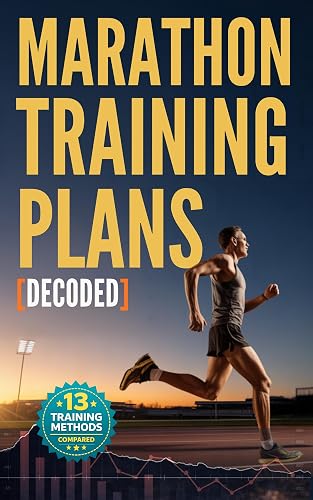
Marathon Training Plans Decoded: A Step-by-Step Guide to Training for Marathon the Smart Way, Building the Right Plan Adapted to Your Goals and Running … (Highly Effective Marathon Training Plan)
Best for: Runners who want to build a plan adapted to their own goals and running history.
This guide is a good match for runners who do not want a one-size-fits-all schedule. It suits those who are comfortable making adjustments to mileage and intensity based on how their body responds.
Key specs:
- Step-by-step approach to building a personalized plan
- Focuses on matching training to individual goals and running background
Pros:
- Encourages customization rather than rigid copying
- Step-by-step structure makes the planning process easier to follow
- Useful for runners returning after a break
Cons:
- Requires more self-direction than a fixed plan
- Less useful for runners who want a schedule to simply follow
Bottom line: Ideal for runners who enjoy planning and want their training to reflect their own pace, schedule and goals.
Running Your First Marathon

Running Your First Marathon: The Complete 20-Week Marathon Training Plan
Best for: First-time marathoners who want a progressive 20-week schedule.
This book is aimed at runners who are new to the marathon distance and need a gradual build. It works best for those who can already run comfortably for several miles and want a plan that increases load carefully.
Key specs:
- Built around a 20-week progressive plan
- Written for first-time marathon distance
Pros:
- Longer timeline gives more room for gradual progression
- Written with newer marathoners in mind
- Clear week-by-week structure
Cons:
- A 20-week build may be longer than a runner with a shorter window needs
- Less depth for runners seeking advanced workouts
Bottom line: A solid pick for a first marathon when you have time to build slowly and want a schedule that prioritizes steady progression.
16-Week Marathon Training Plan & Log Book

16-Week Marathon Training Plan & Log Book: A Simple, Effective Marathon Training System
Best for: Runners who like to track every workout alongside a 16-week plan.
This combined plan and log suits runners who value record-keeping and want a place to note pace, distance and how each session felt. It is a practical choice for those who review their training data to spot patterns.
Key specs:
- 16-week marathon training schedule
- Includes a log book for daily workout entries
Pros:
- Combines the plan and tracking in one place
- Sixteen weeks suits runners with a moderate training window
- Helpful for reviewing progress before race day
Cons:
- Less explanation of training theory than a full guide
- Paper logs may not suit runners who prefer digital tracking
Bottom line: Best for runners who want a plan they can follow and a written record to review as they build toward the start line.
Buying Guide
Plan length and timeline
Marathon plans commonly run between 12 and 20 weeks. A shorter plan suits runners with a solid base, while a longer one gives more room for gradual mileage increases. Check the schedule against the weeks you actually have before race day.
Good picks for this: Running Your First Marathon, 16-Week Marathon Training Plan & Log Book
Tapering and race-week guidance
Tapering reduces training load before the race so your legs can recover. Look for a resource that explains how much to cut volume and when, rather than simply saying “taper.” A clear taper section is one of the most useful features in a training guide.
Good picks for this: The Complete Marathon Training System, Marathon, Revised and Updated 5th Edition
Structure versus flexibility
Some runners want a fixed day-by-day schedule, while others want principles they can adapt. Decide which style fits your habits. A rigid plan can be helpful for beginners, while a flexible guide suits runners who enjoy making adjustments.
Good picks for this: Marathon Training Plans Decoded, Running Your First Marathon
Experience level
A first-time marathoner needs different guidance from someone who has run several races. Beginners benefit from gradual build-ups and plain explanations, while experienced runners often want more detail on pacing, intensity and race-day execution.
Good picks for this: Running Your First Marathon, The Complete Marathon Training System
Tracking and logging tools
Some plans come with space to record workouts. Logging can help you notice fatigue, track consistency and review how your body responds over time. If you already use a running app, a plan without a log may be perfectly adequate.
Good picks for this: 16-Week Marathon Training Plan & Log Book, Marathon Training Plans Decoded
Depth of explanation
Some resources focus on the schedule, while others explain the reasoning behind workouts such as long runs, tempo sessions and recovery days. Explanations help you adjust a plan when life gets in the way, which happens to most runners at some point.
Good picks for this: Marathon, Revised and Updated 5th Edition, The Complete Marathon Training System
FAQ
What is a swap marathon training plan?
The phrase generally refers to a marathon training plan that lets you adjust or swap workouts within the week, such as moving a long run or substituting a cross-training session when needed. Plans with this flexibility are useful when schedules change.
How long should a marathon training plan be?
Most plans run between 12 and 20 weeks. Your current weekly mileage and running history should guide the choice. If you are building from a low base, a longer plan usually allows safer progression.
Do I need a log book to follow a training plan?
No, but tracking workouts can help you spot fatigue, consistency patterns and gradual improvements. Many runners use a log book or a running app for this purpose.
Can a beginner use an advanced marathon plan?
It is generally not recommended. Advanced plans assume a strong aerobic base and experience with higher training loads. Beginners usually do better with a gradual plan that builds mileage steadily.
How should I taper before a marathon?
Most training resources suggest reducing weekly volume over the final two to three weeks while keeping some intensity. Exact percentages vary by plan, so follow the taper described in the resource you choose.
When should I see a professional before starting a plan?
If you have a heart condition, an injury, or any health concern, consult a doctor or a qualified running coach before beginning a new training program.
Conclusion
For a comprehensive reference, Marathon, Revised and Updated 5th Edition covers plenty of ground. Runners who want a systematic approach to tapering will find The Complete Marathon Training System useful, while Marathon Training Plans Decoded suits those who prefer to build a plan around their own goals. First-time marathoners should consider Running Your First Marathon for its 20-week progression, and runners who like tracking will benefit from the 16-Week Marathon Training Plan & Log Book. Match the resource to your experience, available weeks and how much structure you want.
You may also find these related guides helpful: Training Plan to Run a Marathon: A 16-Week Guide for Beginners, Zero to Marathon Training Plan: A 16-Week Step-by-Step Guide for Beginners, Training Plan for Full Marathon: A 16-Week Step-by-Step Guide, Training Plan for Marathon: A Step-by-Step Guide for First-Time Runners, and Training for Marathon Diet Plan: A Step-by-Step Guide for Beginners.
Sources
- General guidance on physical activity levels and recovery for adults (cdc.gov)
- Research summaries on exercise, training load and injury prevention (nih.gov)
- Position statements on exercise programming and progression (acsm.org)
Related reading
- Zero to Half Marathon Training Plan: 5 Best Books for Beginners (2026)
- Women's Running Half Marathon Training Plan: A 12-Week Guide for Beginners
About Ethan Brooks
Ethan Brooks is part of our editorial team and reviews and edits our marathon & half-marathon guides, checking product details against manufacturer specifications and owner feedback.

