
 By Ethan Brooks
Updated November 2026
Runners who want to finish a marathon without grinding through every mile at full effort often look for a jeff galloway run walk marathon training plan. The method alternates short running intervals with planned walk breaks, which can reduce fatigue, lower injury risk for newer runners, and help many people finish strong. The trouble is that Galloway’s approach is spread across several books, and they differ in how much they teach beyond the plan itself. This guide compares three books that cover the run-walk-run approach, using a few clear criteria: how complete the training plan is, how well it explains the run-walk ratio, whether it covers beginners or experienced runners, and how practical the advice is for race day.
Our top picks at a glance
- 1
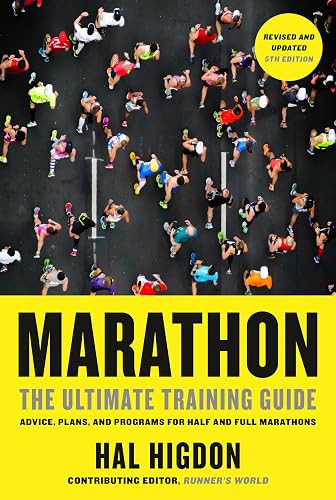 TOP CHOICEBest overallMarathon, Revised and Updated 5th EditionView on Amazon
- 2
 Best for first-time marathonersCouch to 26.2: The Beginner's Marathon Training PlanView on Amazon
- 3
 Best for faster goalsHow to Run a Sub-4 Marathon: The Coach's BlueprintView on Amazon
Selection criteria: This list is based on research into book specifications, publisher descriptions, the apparent scope of each plan, and patterns in owner feedback. We did not test any of these plans ourselves. Our goal is to help you match a book to your current fitness and running goals.
Our Top Picks
Quick Comparison
| Product | Best for | Key feature |
|---|---|---|
| Marathon, Revised and Updated 5th Edition | Runners who want a full reference on marathon and half marathon training | Broad coverage of plans and programs for multiple experience levels |
| Couch to 26.2: The Beginner’s Marathon Training Plan | Complete beginners building up to their first 26.2 miles | An 18-week structure aimed at endurance and injury avoidance |
| How to Run a Sub-4 Marathon: The Coach’s Blueprint | Intermediate runners aiming for a sub-four-hour finish | Pacing and race-day strategy alongside strength work |
Marathon, Revised and Updated 5th Edition
Marathon, Revised and Updated 5th Edition: The Ultimate Training Guide: Advice, Plans, and Programs for Half and Full Marathons
Best for: Runners who want one comprehensive reference covering run-walk-run and other marathon approaches.
This book suits runners who like to understand the reasoning behind their training, not just follow a calendar. It works well for people who plan to return to the same book across several training cycles, and for those who want to compare run-walk methods with more traditional continuous-running plans before committing to one.
Key specs:
- Format: paperback, revised and updated 5th edition
- Covers both marathon and half marathon training
- Includes training plans and programs for different experience levels
Pros:
- Thorough explanations of how run-walk ratios affect pace and recovery
- Useful for comparing several training philosophies in one place
- Strong reference value for runners training across multiple seasons
Cons:
- Can feel dense for readers who only want a day-by-day schedule
- Requires adapting plans to your own schedule and fitness level
Bottom line: Choose this if you want a detailed, long-term reference rather than a single short plan, especially if you are comparing approaches.
Couch to 26.2: The Beginner’s Marathon Training Plan
Couch to 26.2: The Beginner's Marathon Training Plan: Your 18-Week Guide to Building Endurance, Avoiding Injuries, and Finishing Strong – No Running Experience Required
Best for: Complete beginners who need a step-by-step path to their first marathon.
This book is aimed at people with little or no running background. The 18-week structure gives a gradual build, which fits the spirit of run-walk training: short running segments, regular walk breaks, and steady progression. It is a good match for readers who feel intimidated by the idea of running 26.2 miles without a clear plan.
Key specs:
- Structured as an 18-week beginner plan
- Focus on endurance building and injury avoidance
- Written for readers with no prior running experience
Pros:
- Clear week-by-week structure that reduces decision fatigue
- Emphasis on avoiding injury during the early build-up
- Accessible tone for readers starting from zero
Cons:
- Less depth for runners who already have a half marathon or longer base
- An 18-week plan may need extending if you are starting very low
Bottom line: A strong pick for true beginners who want a guided, gradual path to a first marathon using run-walk intervals.
How to Run a Sub-4 Marathon: The Coach’s Blueprint
How to Run a Sub-4 Marathon: The Coach’s Blueprint: Training Plans, Strength Workouts, Pacing & Race-Day Strategy
Best for: Intermediate runners aiming for a faster finish time than a first-timer plan usually targets.
This book is built around a performance goal: finishing a marathon in under four hours. It covers training plans, strength workouts, pacing, and race-day strategy. It suits runners who already have a running base and want to know how to structure faster work. If you plan to use Galloway-style walk breaks, the pacing and strategy sections can still help you set realistic run and walk segments for a target time.
Key specs:
- Covers training plans, strength workouts, and pacing
- Includes race-day strategy
- Targets a sub-four-hour marathon goal
Pros:
- Useful strength training guidance alongside run training
- Practical pacing and race-day planning
- Good fit for runners moving beyond their first marathon
Cons:
- Less suited to complete beginners who need a slower build
- Performance-focused plans may not match a run-walk approach without adaptation
Bottom line: Pick this if you have already finished a marathon or a strong half and want to chase a faster time, using pacing and strength guidance.
Buying Guide
Plan completeness and structure
Look for a book that gives a week-by-week schedule with clear run and walk segments, not just general advice. A complete plan should show how many weeks it runs, how long your long runs grow, and where rest days fall. If you plan to follow a jeff galloway run walk marathon training plan closely, check that the book lists specific run-walk ratios for each phase.
Good picks for this: Couch to 26.2: The Beginner’s Marathon Training Plan, Marathon, Revised and Updated 5th Edition
Your current fitness level
Be honest about your running base. Run-walk plans are often most useful for people starting from little or no running, or returning after time off. If you can already run 10 to 15 miles comfortably, a beginner-focused book may feel too slow, while a performance-focused book may be too demanding if you are starting from scratch.
Good picks for this: Couch to 26.2: The Beginner’s Marathon Training Plan, How to Run a Sub-4 Marathon: The Coach’s Blueprint
Depth of explanation
Some books give you a schedule and little else. Others explain why run-walk intervals work, how to adjust ratios on hills or in heat, and how to handle fatigue late in the race. Decide whether you want a plan to follow or a reference to learn from. Books with more explanation are useful if you want to adapt your plan across several seasons.
Good picks for this: Marathon, Revised and Updated 5th Edition, How to Run a Sub-4 Marathon: The Coach’s Blueprint
Race goal and target time
Your finish-time goal should shape your choice. A first marathon goal of finishing comfortably calls for different guidance than a target under four hours. Match the book’s stated goal to your own. A mismatch often leads to plans that are either too easy to build fitness or too hard to recover from.
Good picks for this: Couch to 26.2: The Beginner’s Marathon Training Plan, How to Run a Sub-4 Marathon: The Coach’s Blueprint
Race-day guidance
Many runners underestimate how much race-day planning affects results. Useful books cover pacing across the course, when to take walk breaks during the race, how to fuel, and how to manage the final miles. If you plan to use run-walk intervals on race day, look for explicit advice on applying your ratio under race conditions.
Good picks for this: How to Run a Sub-4 Marathon: The Coach’s Blueprint, Marathon, Revised and Updated 5th Edition
Strength and injury prevention
Running volume alone does not build a durable body. Look for guidance on strength work, mobility, and recovery. Books that address injury avoidance, especially for newer runners, give you a safer way to build the weekly mileage that the plan requires.
Good picks for this: Couch to 26.2: The Beginner’s Marathon Training Plan, How to Run a Sub-4 Marathon: The Coach’s Blueprint
Format and how you will use it
Decide whether you want a paperback to keep on a shelf, or whether you will mostly follow the plan on a phone or printed pages. Consider how you will track your runs. A book with clear weekly layouts is easier to follow with a training log, while a reference-style book suits readers who like to flip between sections.
Good picks for this: Couch to 26.2: The Beginner’s Marathon Training Plan, Marathon, Revised and Updated 5th Edition
FAQ
What is a run-walk marathon training plan?
A run-walk plan alternates running intervals with planned walk breaks, for example running for several minutes and then walking for a short set time. The method is designed to reduce fatigue and help runners cover long distances with less strain. Many runners use it for their first marathon or when returning from injury.
Is a run-walk plan good for a first marathon?
Many new marathoners find run-walk intervals helpful because they make long distances more manageable. The right ratio depends on your fitness, pace, and goals. If you are unsure, start with a beginner plan and consult a running coach or medical professional before beginning any new training program.
How long should I train for a marathon using a run-walk approach?
Training length varies by plan and by your starting point. Beginner plans often run around 16 to 18 weeks, while runners with a stronger base may need less time. Check the plan’s stated length and adjust based on how your body responds. Build gradually and avoid large jumps in weekly mileage.
Do I have to walk during the marathon itself?
Not necessarily. Some runners use walk breaks only in the early miles or in the late stages of the race. Others use them throughout. Your plan should show how to use run-walk ratios on race day, and you can test different approaches during long training runs to see what works for you.
Can I use a run-walk plan if I want a faster finish time?
It is possible, but the ratio and pacing need adjustment. Runners aiming for faster times often reduce or remove walk breaks as their fitness improves. A performance-focused book can help you plan pacing and strength work. Be cautious about pushing pace too quickly, and seek advice from a qualified coach if you are planning a significant time goal.
How much running do I need each week?
Weekly mileage depends on your plan and fitness level. Beginner plans typically start at lower volume and increase gradually. Avoid large increases in mileage from week to week, since rapid increases are a common cause of overuse injuries. Consult a healthcare provider or sports medicine professional if you have a health condition or past injury.
Should I see a doctor before starting a marathon training plan?
Yes, especially if you have heart, joint, or metabolic conditions, or if you have been inactive for a long time. A doctor or qualified professional can advise whether a run-walk program is appropriate for your health and what warning signs to watch for during training.
Conclusion
A jeff galloway run walk marathon training plan offers a structured way to build endurance using planned walk breaks. The three books here serve different needs. Marathon, Revised and Updated 5th Edition works best as a detailed reference for runners who want to understand the reasoning behind their training. Couch to 26.2: The Beginner’s Marathon Training Plan suits complete beginners who need a gradual, guided path to a first marathon. How to Run a Sub-4 Marathon: The Coach’s Blueprint fits intermediate runners who want to pursue a faster finish with strength and pacing guidance. Match the book to your current fitness and your race goal, and check that its approach works with the run-walk ratio you plan to use.
Sources
- Guidance on physical activity levels and safe increases in exercise for adults (cdc.gov)
- Research summaries on running, injury risk, and recovery (nih.gov)
- Position statements on exercise prescription and safe training progression (acsm.org)
Related reading
- Jeff Galloway Training Plan Marathon: 5 Best Books for Run-Walk-Run Runners
- Run/Walk Marathon Training Plan: 6 Best Picks for Every Runner (2026)
- Jeff Galloway Marathon Training Plan PDF: A Step-by-Step Guide
- Jeff Galloway Half Marathon Training Plan PDF: A Step-by-Step Guide
- Half Marathon Training Plan Jeff Galloway: A Step-by-Step Guide
- Walk Marathon Training Plan: 5 Best Books for Walkers (2026)
- Training Plan to Run a Marathon: A 16-Week Guide for Beginners
About Ethan Brooks
Ethan Brooks is part of our editorial team and reviews and edits our marathon & half-marathon guides, checking product details against manufacturer specifications and owner feedback.

